Explores AI-driven solutions for Kashmiri, a low-resource language in the digital ecosystem
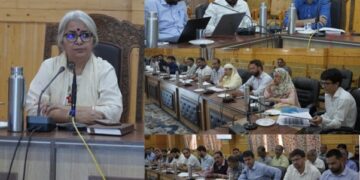
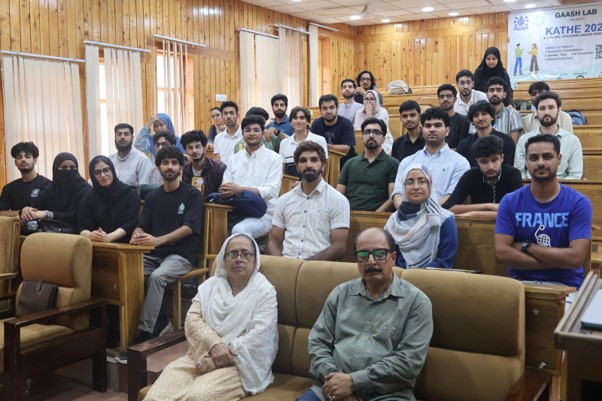
Srinagar : The National Institute of Technology (NIT) Srinagar recently hosted KATHE 2026, an AI Challenge focused on English-to-Kashmiri machine translation, aimed at enhancing artificial intelligence and machine-learning applications for the Kashmiri language.
Th national-level initiative brought together a diverse group of participants, including students, academics, linguists, and technology professionals, to tackle the challenges associated with low-resource language technology. Organized by Gaash Lab in collaboration with the Bureau of Indian Standards and the University of Kashmir, with GitHub as the primary sponsor, the event underscored the importance of developing digital tools for regional languages. Key figures at the event included Prof. RoohieNaaz, Dean of Research and Consultancy at NIT Srinagar, who emphasized the institute’s commitment to applying AI to real-world challenges and promoting technology for low-resource languages. Prof. Shabir Ahmad Sofi highlighted the opportunity for students to engage with AI and natural language processing (NLP) in the context of Kashmiri translation, while Prof. Aadil Amin Kak and Mr. Pranjal Chitale discussed the future of AI in language technology, addressing both opportunities and challenges. Participating teams showcased their machine-translation systems, which were evaluated based on performance and presentation quality. TeamHD from Heidelberg University emerged as the winner, followed by TeamIJ from IIT Jammu and Team TabaqMaaz from NIT Srinagar. Additional awards recognized outstanding contributions, including the Young Achiever Award for Noore from Heriot Watt University Edinburgh and the Innovation Excellence Award for Team Kåv from NIT Srinagar. The initiative provided participants with practical experience in the machine-learning workflow, encompassing data preparation, model development, and error analysis. Organizers noted that research on Kashmiri and other low-resource languages could significantly advance multilingual artificial intelligence.