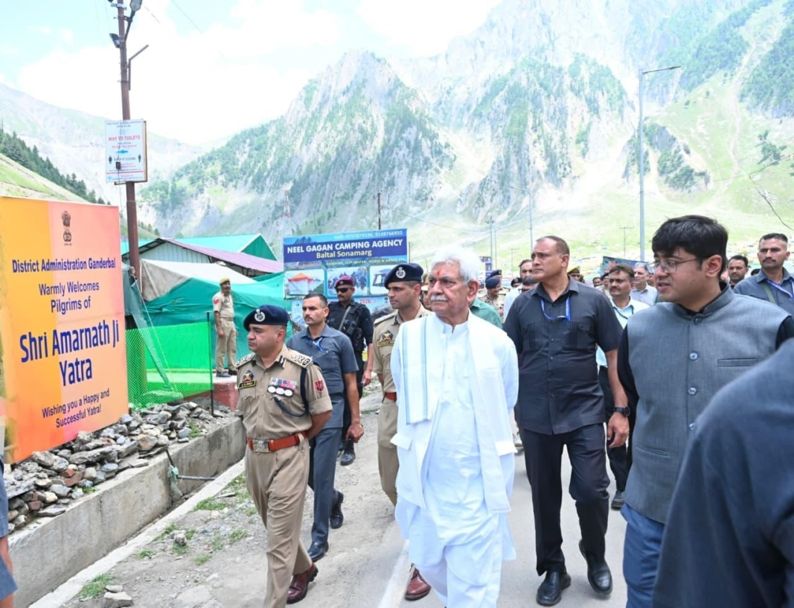
“Every year thousands of personnel—from police, Army, CRPF, disaster response teams, health workers and civil administration to volunteers and langar organisations—work in unison to ensure the journey remains safe.”
Mohammad Irfan
 Amarnath Yatra has always been one of India’s most significant spiritual pilgrimages, drawing lakhs of devotees to the Himalayan cave shrine nestled over 3,800 metres above sea level. But in 2026, the pilgrimage is telling a much larger story than one of faith alone. Crossing the landmark of two lakh pilgrims within just eight days, the Yatra has emerged as a barometer of Jammu and Kashmir’s changing realities. It reflects improving security conditions, stronger administrative coordination, renewed public confidence, expanding tourism and a local economy increasingly intertwined with religious travel. For years, the Yatra was viewed largely through the lens of security. Terror threats, weather disruptions and logistical challenges dominated national headlines. Today, while security remains central, the conversation has expanded to include infrastructure, healthcare, digital governance, sanitation, economic opportunities and the aspirations of a region seeking lasting stability. The remarkable turnout this year is not merely a statistical achievement. It is a reflection of multiple transformations taking place simultaneously across Jammu and Kashmir.
Amarnath Yatra| More Than A Pilgrimage: The Amarnath Yatra occupies a unique place in India’s religious landscape. Unlike conventional temple pilgrimages, reaching the holy cave demands physical endurance, meticulous planning and coordination among dozens of government departments. Pilgrims travel through some of the world’s most challenging mountainous terrain, where weather conditions can change within minutes and altitude poses serious health risks. Managing such a pilgrimage requires one of the country’s most complex seasonal administrative exercises. Every year thousands of personnel—from police, Army, CRPF, disaster response teams, health workers and civil administration to volunteers and langar organisations—work in unison to ensure the journey remains safe. The 2026 Yatra demonstrates how significantly this management system has evolved.
Crossing Two Lakh Pilgrims In Eight Days: The crossing of the two-lakh mark within eight days carries symbolic as well as practical significance. It suggests that public confidence in the pilgrimage has strengthened considerably despite persistent security concerns. Historically, terrorist attacks targeting pilgrims created periods of uncertainty. This year’s turnout indicates that robust security arrangements, improved logistics and better public communication have collectively restored confidence among devotees from across the country. For policymakers, high participation also validates investments made in infrastructure and institutional preparedness over recent years.
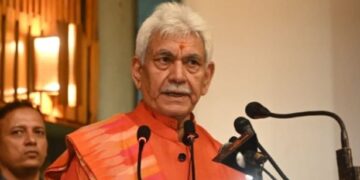
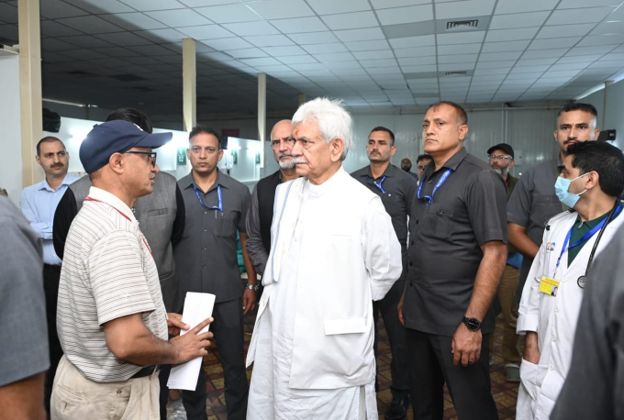
A Test Of Governance: Lieutenant Governor Manoj Sinha has repeatedly emphasised that no pilgrim should face inconvenience—from registration to darshan. This reflects an important shift in governance philosophy. Success is no longer measured only by preventing security incidents. Instead, authorities increasingly assess performance through service delivery, pilgrim satisfaction, healthcare access, sanitation, accommodation and transportation. During his visits to Pantha Chowk Transit Camp and Baltal Base Camp, the Lieutenant Governor reviewed arrangements ranging from water supply and electricity to firefighting systems, medical facilities and sanitation. Such comprehensive reviews demonstrate how governance during the Yatra now resembles the management of a temporary city rather than a seasonal religious event.
Security Remains The Backbone: Despite improved conditions, security continues to underpin every aspect of the pilgrimage. The annual Yatra remains among India’s most heavily secured civilian events. Thousands of security personnel are deployed across multiple layers that include highway protection, convoy management, surveillance systems, drone monitoring, checkpoints and mountain domination. This year has witnessed an expanded use of technology including CCTV surveillance, drone monitoring and real-time communication networks. These technological interventions allow security agencies to respond more rapidly to potential threats while reducing inconvenience for pilgrims. Equally significant is the close coordination among Jammu and Kashmir Police, the Army, CRPF, intelligence agencies and civil administration. The success of the Yatra increasingly depends not on isolated efforts but on integrated command structures.
Healthcare Moves To The Forefront: Healthcare has emerged as one of the defining features of the 2026 Yatra. The operationalisation of fully equipped 100-bed hospitals at Baltal and Chandanwari reflects a substantial enhancement of medical preparedness. With over 1,300 outpatient consultations being handled daily, these hospitals are not merely emergency facilities but comprehensive healthcare centres capable of addressing altitude sickness, dehydration, respiratory complications and trauma. Quick medical intervention significantly reduces risks associated with high-altitude pilgrimage. The presence of specialised healthcare teams also enhances pilgrims’ confidence.
Digital Governance Is Changing The Experience: The Yatra is increasingly becoming a case study in digital public administration. Registration systems, online monitoring, feedback mechanisms and real-time information dissemination have transformed how the pilgrimage is managed. Officials have also introduced immediate grievance redressal mechanisms to address issues raised by devotees. Such systems improve transparency while enabling administrators to respond quickly to emerging challenges. However, authorities have also taken a strict approach towards fraudulent registrations, recognising that misuse of digital systems can compromise both security and pilgrim welfare.
Amarnath Yatra The Economic Lifeline For Kashmir: Perhaps the most visible impact of the Yatra is economic. For thousands of families across Jammu and Kashmir, the annual pilgrimage represents one of the most important seasonal sources of income. Transport operators, pony owners, porters, tent operators, shopkeepers, hoteliers, taxi drivers, artisans, restaurants and local vendors all benefit from increased pilgrim arrivals. The Lieutenant Governor rightly observed that the surge in pilgrim numbers provides fresh momentum to tourism and the local economy. Unlike conventional tourism concentrated in specific destinations, the Yatra generates economic activity across an extensive geographical corridor stretching from Jammu to the Himalayan shrine.
Beyond Tourism| A Rural Economy Boost: The benefits extend well beyond urban centres. Many villages located along the Yatra routes witness temporary economic transformation during the pilgrimage season. Local youth find employment as guides, labourers and service providers. Women’s self-help groups increasingly supply food products and locally made items. Temporary markets emerge to cater to pilgrims’ daily needs. This seasonal economic activity supports rural livelihoods that otherwise remain limited by geography and climate.
Handicrafts Find New Markets: Lieutenant Governor Sinha’s appeal encouraging pilgrims to purchase local handicrafts highlights another important dimension. Jammu and Kashmir’s traditional crafts—including Pashmina, papier-mâché, walnut wood carving and handloom products—often struggle to access national markets. Millions of pilgrims passing through the region create an enormous opportunity for artisans. If effectively linked with initiatives like One District One Product (ODOP), the Yatra can become an important marketing platform for traditional industries. Faith tourism thus becomes an instrument for cultural preservation and rural development.
“Managing waste generated by lakhs of pilgrims in ecologically fragile Himalayan regions remains a major challenge.The administration has significantly expanded sanitation infrastructure this year…”
Cleanliness As A Governance Priority: Environmental sustainability has become increasingly important. Managing waste generated by lakhs of pilgrims in ecologically fragile Himalayan regions remains a major challenge. The administration has significantly expanded sanitation infrastructure this year. Dedicated sanitation workers, waste collection mechanisms and improved water supply systems have become integral to Yatra management. The Lieutenant Governor’s emphasis on cleanliness reflects growing recognition that environmental conservation must accompany religious tourism. Protecting glaciers, forests and water resources remains essential for preserving the pilgrimage itself.
Water Management Improves: The installation of additional RO water facilities along the pilgrimage routes represents another notable improvement. Access to safe drinking water is essential given the physical demands placed upon pilgrims. Dehydration remains among the leading causes of medical complications during high-altitude travel. Expanding drinking water infrastructure therefore directly contributes to public health.
Zero Tolerance Towards Exploitation: Another striking feature of this year’s administration is its strict stance against overcharging and fraudulent practices. Authorities have directed immediate legal action against anyone exploiting pilgrims, regardless of institutional affiliation. Such measures seek to improve public trust while protecting the reputation of the pilgrimage. Transparent pricing, regulated services and accountability remain essential for sustaining growing pilgrim confidence. Security and Tourism Are No Longer Opposing Narratives Historically, discussions around Kashmir often presented security and tourism as competing realities. The 2026 Yatra demonstrates that both can coexist. Robust security enables tourism. Successful tourism reinforces public confidence. Economic opportunities create incentives for peace and stability. This virtuous cycle has gradually become visible across several sectors in Jammu and Kashmir. The pilgrimage exemplifies how improved governance can simultaneously enhance security and economic development.
Community Participation Matters: One of the most remarkable aspects of the Yatra remains the participation of local communities. Residents provide accommodation, transportation, food services and logistical support. Thousands of volunteers operate community kitchens serving free meals. Healthcare workers, sanitation staff and emergency responders collectively sustain the enormous logistical operation. Such collaboration strengthens social cohesion while reinforcing Kashmir’s long tradition of hospitality.
Technology Meets Tradition: The Yatra represents an interesting convergence of ancient spirituality and modern technology. Pilgrims walking centuries-old routes now benefit from GPS-enabled monitoring, drones, digital registration, surveillance systems and mobile connectivity. Technology has not replaced tradition. Instead, it has made traditional pilgrimage safer, more efficient and more accessible.
Building Institutional Capacity: Each successful Yatra strengthens institutional learning. Government departments accumulate valuable experience in crowd management, emergency response, disaster preparedness and inter-agency coordination. These capabilities often extend beyond the pilgrimage itself. Lessons learned during Yatra management improve broader governance capacities relevant to tourism, disaster response and public administration across Jammu and Kashmir.
A National Integration Exercise: Beyond economics and administration, the Shri Amarnath Ji Yatra continues to serve as one of India’s largest exercises in national integration. Pilgrims arrive from every state, language and social background. The journey creates interaction among people who might otherwise never visit Jammu and Kashmir. Such experiences challenge stereotypes while strengthening emotional connections between Kashmir and the rest of India. The pilgrimage therefore possesses significance that extends beyond religion.
Looking Ahead: If current trends continue, the Amarnath Yatra may increasingly become one of India’s foremost examples of integrated governance. The combination of advanced security systems, digital administration, improved healthcare, environmental management and economic development offers valuable lessons for managing other large-scale pilgrimages across the country. Continued investments in infrastructure and public services could further enhance both pilgrim experience and regional development.
Kashmir Horizon View: The 2026 Amarnath Yatra is, in many ways, a reflection of a changing Jammu and Kashmir. Its success rests not merely on the devotion of pilgrims but on the coordinated efforts of the administration, the Shri Amarnathji Shrine Board, police, Army, healthcare workers, sanitation staff, volunteers, local residents and countless service providers working behind the scenes. The crossing of two lakh pilgrims within eight days is therefore more than a numerical milestone. It represents growing confidence in the region’s administrative capacity, security environment and tourism potential. As faith continues to draw devotees to the sacred cave of Baba Barfani, the Yatra is simultaneously becoming a powerful engine of economic revival, institutional innovation and social cohesion. In doing so, it offers a compelling narrative of how spirituality, governance and development can reinforce one another, making the annual pilgrimage not only a sacred journey for millions of devotees but also a symbol of an aspirational, resilient and evolving Jammu and Kashmir.
(“Team Kashmir Horizon” is committed to continuous improvement and invites feedback and suggestions from readers and its followers on social media sites. Reader insights are considered vital for enhancing content quality and empowering the community. The team encourages open communication and values the thoughts and ideas of its audience, believing that such input will enable them to serve the public more effectively. The initiative aims to ensure that readers have the best possible experience with “Kashmir Horizon”. Interested individuals can reach out to us via email at [email protected].)