“Government will introduce a stringent anti-paper leak law in Parliament, establish fast-track courts for speedy disposal of examination fraud cases and further strengthen the legal framework to deter organised examination malpractices…”
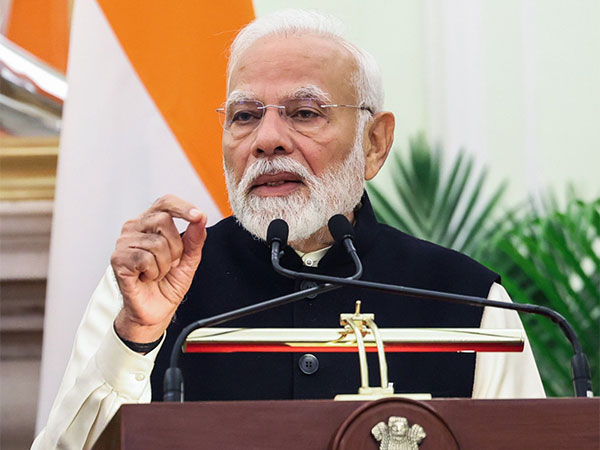
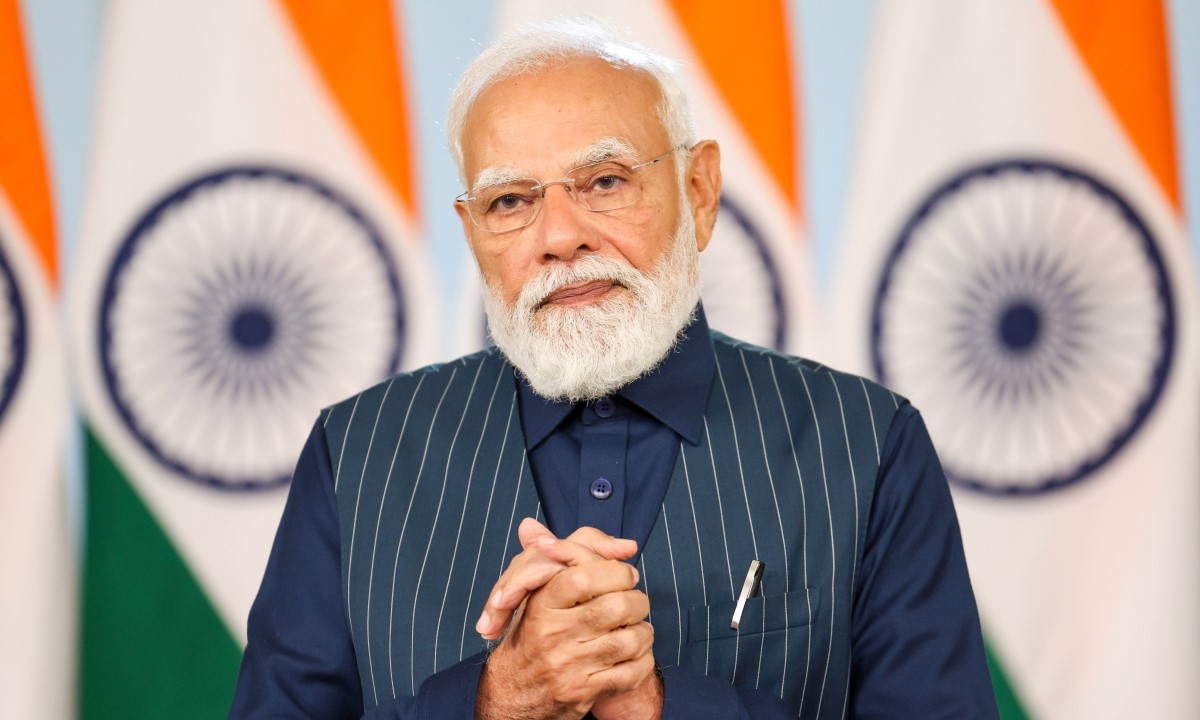
India’s This week Prime Minister Narendra Modi this week delivered a twin message centred on compassion and accountability, appealing to the nation to respond to misguided youth with understanding rather than hatred, while simultaneously unveiling a major overhaul of India’s public examination system aimed at eliminating paper leaks and restoring public confidence in competitive examinations. In two separate video messages released on his social media platforms, the Prime Minister urged citizens to reject abuse and hatred as instruments of public discourse, saying that young people who lose their way should be guided back onto the right path in the spirit of nation-building. He also announced the constitution of a high-powered national task force on examination reforms headed by technology expert Nandan Nilekani, alongside a series of stringent legal and administrative measures to curb examination-related malpractices. The announcements came as Parliament approved the Public Examinations (Prevention of Unfair Means) Amendment Bill, 2026, providing one of the country’s toughest legal frameworks against paper leak rackets and examination fraud.
‘Abuse And Hatred Never Solve Anything’: Referring to the recent incident at Jantar Mantar in New Delhi, where abusive remarks were allegedly made against him and his late mother during a public gathering, Prime Minister Modi said the episode had been witnessed not only across India but also internationally. Without naming any individual or organisation, the Prime Minister said society’s disappointment over such conduct was understandable. However, he emphasised that young people often make mistakes during their formative years and deserve an opportunity to learn from them. “Abuse and hatred never solve anything,” the Prime Minister said, urging citizens to respond with compassion rather than vengeance. He appealed against dragging the youngsters involved into prolonged legal battles or exposing them to sustained public humiliation. Instead, he said, they should be embraced by society and shown the right path so they could become responsible citizens contributing positively to the nation. “I wish to forgive these children,” the Prime Minister said, adding that he hoped the country would also adopt the same spirit of forgiveness and understanding. The Prime Minister described childhood and youth as periods of learning, experimentation and self-correction, saying mistakes committed during these years should become opportunities for guidance rather than lifelong punishment.
Guidance Over Punishment: Emphasising rehabilitation over retribution, the Prime Minister said society has a collective responsibility to help young people overcome misguided influences. According to him, individuals who lose direction should receive constructive support and positive mentorship rather than being permanently stigmatised. He urged parents, teachers, community leaders and citizens to contribute towards nurturing responsible, patriotic and socially aware youth. The Prime Minister said India’s demographic strength could only become a national asset if young people were encouraged to channel their energy towards innovation, education, entrepreneurship and public service. Addressing the youth directly, Modi encouraged them to acknowledge mistakes, learn from them and move ahead with confidence. He said every young Indian possesses immense potential to contribute to the country’s growth and development. “India is progressing rapidly,” he said, expressing confidence that the nation’s youth would also continue advancing by pursuing their aspirations while participating in the journey towards a developed India. He reiterated that differences of opinion are natural in a democracy, but abuse and hatred cannot become acceptable tools of political or social engagement.
Major Push For Examination Reforms: Alongside his appeal for social harmony, Prime Minister Modi announced an extensive reform package aimed at strengthening India’s public examination system. Calling examination integrity a national priority, he said governments at both the Centre and in the states have struggled with the recurring problem of paper leaks for several decades. According to him, repeated examination irregularities have jeopardised the future of millions of deserving students, making comprehensive reforms unavoidable. “The government is continuously taking one step after another to build a trustworthy examination system,” the Prime Minister said. He stressed that transparency, technology and accountability must become the guiding principles of all future public examinations.
High-Powered Task Force Constituted: The Prime Minister announced the constitution of a high-powered national task force on examination reforms under the chairmanship of Nandan Nilekani, one of India’s leading technology experts. The task force has been mandated to recommend structural reforms that will make examinations more secure, transparent and technology-driven. According to the Prime Minister, the government will implement its recommendations at the earliest to ensure that the credibility of competitive examinations is restored.
Technology At The Core: Highlighting the role of digital solutions, the Prime Minister said modern technology would become central to securing examinations against organised criminal networks. He said advanced technological interventions, stronger surveillance mechanisms and digital safeguards would improve transparency and reduce opportunities for malpractice. The proposed reforms are expected to examine secure digital systems, better data management, AI-based monitoring and stronger coordination between examination agencies. According to the Prime Minister, technology-driven reforms are essential to protect the hard work of honest students.
Parliament Clears Tougher Anti-Paper Leak Law : The Prime Minister’s announcement coincided with Parliament clearing the Public Examinations (Prevention of Unfair Means) Amendment Bill, 2026. The Rajya Sabha approved the legislation after it had already been passed by the Lok Sabha earlier in the week. The law significantly strengthens punitive provisions against individuals and organised groups involved in examination fraud. Among its major provisions are imprisonment extending up to 10 years, fines of up to ₹10 crore, and confiscation of properties belonging to convicted offenders. The legislation also introduces strict timelines for investigation and trial. Investigating agencies will be required to complete investigations within two months of registration of a case, while courts will be expected to conclude trials within three months of filing the chargesheet. To facilitate speedy justice, every state government and Union Territory administration will establish Special Fast Track Courts dedicated to trying examination-related offences. The legislation seeks to ensure swift punishment while preventing prolonged delays that often weaken prosecution in such cases.
Government Reaffirms Zero Tolerance: Speaking during the parliamentary debate, Minister of State for Personnel, Public Grievances and Pensions Dr Jitendra Singh described the legislation as a reaffirmation of the government’s highest commitment to safeguarding students. He said examination integrity concerns every Indian family and directly affects the aspirations of millions of young people. Dr Singh said paper leaks had occurred under several state governments and previous administrations, making comprehensive legal reforms essential. He reiterated the Modi government’s policy of zero tolerance towards examination fraud. According to him, the Prime Minister acted swiftly to introduce stronger legislation because the future of students cannot be compromised. The Minister highlighted mandatory timelines for investigations and trials, saying speedy justice would strengthen deterrence.
“The emphasis on fairness, transparency and institutional strengthening reflects the Centre’s commitment to ensuring that every deserving student receives equal opportunity..…”
Hope and Confidence For Students: For millions of aspirants preparing for competitive examinations, the government’s announcements carry a message of reassurance. The emphasis on fairness, transparency and institutional strengthening reflects the Centre’s commitment to ensuring that every deserving student receives equal opportunity. Students across the country invest years of effort preparing for competitive examinations. The latest reforms seek to reinforce confidence that merit and dedication remain the guiding principles of India’s education system.
Towards a Stronger Educational Future: As India continues its journey towards becoming a global knowledge economy, strengthening educational institutions remains one of the country’s foremost priorities. A transparent and credible examination system forms the foundation of higher education, professional opportunities and national development. The Government’s latest initiatives demonstrate a comprehensive approach that combines legislative action, technological advancement, administrative coordination and public participation. With Parliament set to deliberate on the proposed legislation and the transition towards computer-based examinations already announced, India’s examination ecosystem appears poised for a new phase of modernisation. The reforms represent not only an effort to strengthen examination security but also a broader commitment to empowering young Indians through a system built on fairness, transparency and excellence. For millions of students pursuing their aspirations, these initiatives signal a continued focus on creating opportunities where success is determined by talent, dedication and hard work. As the reforms move from policy to implementation, they have the potential to further strengthen public confidence in India’s examination system while supporting the nation’s vision of building an education sector that is resilient, inclusive and globally competitive.
Kashmir Horizon View: The Centre’s proposed reforms present an opportunity to further strengthen India’s examination ecosystem by combining legislative measures with institutional innovation and technological advancement. As the country conducts some of the world’s largest competitive examinations every year, continuous improvement in examination management will be essential to meet the expectations of millions of students and parents. The proposed anti-paper leak legislation, coupled with fast-track courts, has the potential to reinforce accountability while ensuring timely resolution of cases related to examination malpractice. A dedicated legal framework can provide greater certainty and strengthen confidence among students that examination integrity remains a national priority. Once enacted, its effective implementation through coordinated efforts between investigating agencies, examination authorities and the judiciary will be equally important. Technology will continue to play a transformative role in the next phase of examination reforms. The planned transition of NEET-UG to a Computer-Based Test (CBT) mode reflects the government’s commitment to modernising the examination process. Expanding secure digital infrastructure, enhancing cybersecurity measures, strengthening encrypted question management systems and adopting advanced monitoring technologies can further improve transparency and operational efficiency. At the same time, ensuring adequate testing centres, reliable internet connectivity and digital accessibility across rural and remote regions will help guarantee equal opportunities for every aspirant. Capacity building within examination agencies will also remain a key component of long-term reform. Regular training of officials, periodic security audits, adoption of global best practices and stronger coordination among central and state institutions can contribute to creating a more resilient examination ecosystem. Continuous review of procedures will enable authorities to respond effectively to emerging challenges while maintaining high standards of fairness. Equally important is maintaining open communication with students and parents. Timely dissemination of accurate information, transparent examination schedules and responsive grievance-redressal mechanisms can further enhance public confidence. Constructive engagement with educational institutions, teachers, experts and student communities will allow policymakers to refine reforms based on practical experience and evolving requirements. The broader objective extends beyond preventing irregularities. The vision is to build an examination system that rewards merit, encourages innovation and reflects the aspirations of a young and ambitious nation. As India moves towards becoming a global knowledge economy, a credible, transparent and technology-enabled examination framework will remain one of the strongest pillars supporting educational excellence and human resource development. With legislative reforms, digital transformation, institutional strengthening and collaborative governance moving together, India has an opportunity to create a future-ready examination system that inspires confidence among students, supports excellence in education and contributes to the country’s long-term development goals. If implemented effectively, these initiatives can further strengthen public trust while ensuring that talent, dedication and hard work continue to remain the defining factors of success for generations of students.
(“Team Kashmir Horizon” is committed to continuous improvement and invites feedback and suggestions from readers and its followers on social media sites. Reader insights are considered vital for enhancing content quality and empowering the community. The team encourages open communication and values the thoughts and ideas of its audience, believing that such input will enable them to serve the public more effectively. The initiative aims to ensure that readers have the best possible experience with “Kashmir Horizon”. Interested individuals can reach out to us via email at [email protected].)