“The inauguration of the redeveloped Amira Kadal bridge in Srinagar marks a significant milestone in the city’s efforts to modernise infrastructure while preserving its rich heritage. Developed under the Srinagar Smart City initiative, the pedestrian wooden bridge has been redesigned with a focus on structural safety, heritage aesthetics and improved accessibility, strengthening connectivity in one of Srinagar’s busiest commercial areas.”
Mohammad Irfan
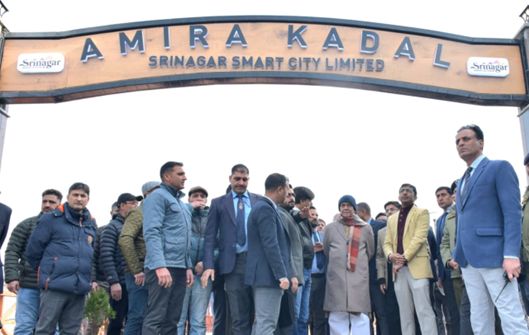
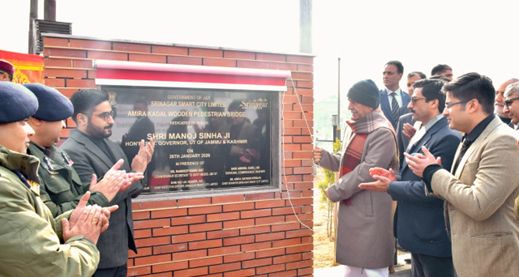
The inauguration of the redeveloped Amira Kadal bridge in Srinagar marks more than the completion of a civic project; it symbolises a broader transformation underway in Jammu and Kashmir’s urban landscape. As Lieutenant Governor Manoj Sinha opened the pedestrian wooden bridge to the public, the moment represented a rare convergence of heritage preservation, modern urban planning and community-centric development. Situated at the heart of Srinagar’s historic commercial zone, Amira Kadal has long served as a vital link between the old city and newer urban spaces. For decades, the bridge has been not just a physical crossing over the Jhelum River, but a social and economic artery connecting markets, neighbourhoods and livelihoods. Its redevelopment under the Srinagar Smart City Limited project, at a cost of ₹7.70 crore, reflects a deliberate effort to modernise infrastructure without erasing the city’s historical identity.
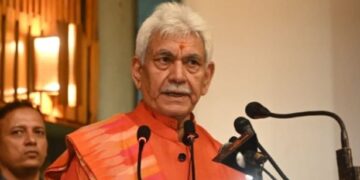
Bridging Heritage, Modernity: Urban development in historic cities often faces a fundamental dilemma: how to modernise infrastructure without undermining cultural heritage. Srinagar, with its centuries-old architecture, waterways, markets and neighbourhoods, epitomises this challenge. The redevelopment of Amira Kadal has attempted to resolve this tension by adopting a design philosophy that integrates traditional aesthetics with contemporary engineering standards. Speaking at the inauguration, Manoj Sinha emphasised that infrastructure renewal should serve as a bridge between heritage and modern needs. The project, launched in December 2023, underwent extensive scrutiny to ensure structural safety, quality control and sensitivity to heritage conservation. The use of wood and traditional design elements in the pedestrian bridge reflects an attempt to preserve the visual and cultural character of the area while enhancing safety and accessibility. This approach signals a shift in urban planning in Jammu and Kashmir. Rather than replacing old structures with generic modern designs, the focus is increasingly on adaptive redevelopment—retaining historical essence while upgrading functionality. In this sense, Amira Kadal is not an isolated project but part of a broader vision of “heritage-led urban renewal.”
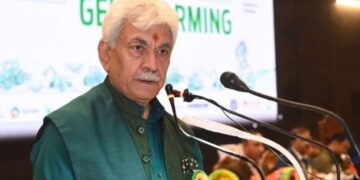
Smart Cities with Cultural Roots: The redevelopment of Amira Kadal is embedded within the larger framework of the Smart City Mission. However, the interpretation of “smartness” in Srinagar is distinct from the conventional model of technology-driven urbanisation. Instead of focusing solely on digital infrastructure and high-rise development, the city’s transformation is being anchored in cultural continuity and inclusive design. Manoj Sinha articulated this philosophy when he stated that the objective is not merely to upgrade infrastructure but to lift the quality of life through modern technology and inclusive design while protecting the soul of the city. This vision challenges the notion that smart cities must sacrifice tradition for efficiency. Instead, Srinagar’s experience suggests that heritage itself can become a resource for sustainable urban development. The redevelopment of historic lanes, bridges, markets and public spaces aims to weave modern amenities into the cultural fabric of the city. This approach recognises that urban identity is not an obstacle to development but a foundation upon which resilient and vibrant cities can be built.
Urban Renewal Across J&K: The Amira Kadal project is part of a wider wave of urban renewal across Jammu and Kashmir. Over the past few years, several major projects have reshaped the region’s urban landscape. The Jhelum Riverfront, Lal Chowk redevelopment, MA Road transformation, Polo View High Street revitalisation, Traditional Souq Market and craft centre in Batmaloo, and lakefront development from Nishat to Naseem Bagh Habak represent a concerted effort to reimagine Srinagar’s public spaces. Similarly, infrastructure and heritage projects in Jammu—including the redevelopment of Mubarak Mandi heritage site, Raghunath Bazaar, Bahu Fort approach, Ranbir Canal Blue-Green Walkway and Tawi Riverfront—reflect a parallel transformation. These initiatives are not merely cosmetic upgrades; they are designed to create functional, aesthetic and economically vibrant urban spaces. Collectively, these projects indicate a shift in governance priorities. Urban development is no longer viewed solely through the lens of concrete and asphalt but as an integrated process that involves culture, commerce, tourism and community life.
Economic Implications|Revitalising Local Commerce: One of the most immediate impacts of the redeveloped Amira Kadal bridge is expected to be on local commerce. The bridge lies in a densely populated commercial area where shopkeepers, traders and small businesses depend heavily on pedestrian movement. Improved accessibility is likely to increase footfall, benefiting retailers and service providers. During his interaction with local shopkeepers and traders, Manoj Sinha highlighted that the pedestrian bridge would boost commercial activity and enhance the experience of tourists. This observation underscores the economic logic behind heritage redevelopment. By improving urban aesthetics and mobility, cities can stimulate local economies without large-scale industrial investments. Tourism is another critical dimension. Srinagar’s historic charm has always been a major attraction for visitors. However, aging infrastructure and congestion often detract from the tourist experience. Projects like Amira Kadal enhance the city’s visual appeal and accessibility, making it more attractive to domestic and international tourists. In turn, tourism-driven demand supports local businesses, artisans and service providers.
Social, Cultural Dimensions: Beyond economic benefits, the redevelopment of Amira Kadal carries deep social and cultural significance. Bridges in historic cities often function as public spaces where people meet, interact and participate in daily life. By redesigning the bridge as a pedestrian-friendly structure, planners have created a space that encourages social interaction and community engagement. Manoj Sinha’s remarks about preserving historic lanes, markets and green spaces reflect an understanding that urban spaces are not merely physical structures but repositories of collective memory. In cities like Srinagar, where history and identity are deeply intertwined with geography, infrastructure projects can either strengthen or weaken social cohesion. By breathing new life into historic spaces, the administration aims to honour the city’s roots while creating opportunities for younger generations. This intergenerational perspective is crucial. Modern infrastructure often appeals to youth, while heritage resonates with older residents. Projects like Amira Kadal attempt to bridge this generational divide by combining tradition with modernity.
Governance, Institutional Collaboration: The successful completion of the Amira Kadal project also highlights the role of institutional collaboration in urban development. The project was implemented under Srinagar Smart City Limited, with coordination among multiple agencies responsible for heritage conservation, engineering, urban planning and quality control. The presence of senior officials, including the Divisional Commissioner Kashmir, IGP Kashmir, Deputy Commissioner Srinagar and CEO of Srinagar Smart City Limited, at the inauguration reflects the multi-layered governance framework behind such projects. The participation of elected representatives, trade associations and prominent citizens further underscores the importance of stakeholder engagement. Urban renewal in complex cities like Srinagar requires balancing administrative efficiency with public participation. Projects that ignore local sentiments often face resistance, while those that incorporate community perspectives are more likely to achieve long-term success.
“Beyond improving mobility, the redevelopment of Amira Kadal is expected to boost local business activity and tourism by enhancing the overall urban experience. It also mirrors a broader vision of heritage-led development across Jammu and Kashmir, where historic spaces are being upgraded without compromising cultural identity.”
_______________________________________________________
Rethinking The Concept Of Smart Cities: The narrative surrounding Amira Kadal invites a broader rethinking of what constitutes a “smart city.” Manoj Sinha’s assertion that a true smart city is not just about new infrastructure but about creating a vibrant, efficient and inclusive way of living challenges conventional definitions. Globally, smart city initiatives often prioritise technology-driven solutions such as surveillance systems, data analytics and digital governance. While these elements are important, they do not necessarily address the emotional and cultural dimensions of urban life. Srinagar’s approach suggests that smartness can also mean preserving identity, fostering community and enhancing livability. This model could offer lessons for other historic cities in India and beyond. Cities like Varanasi, Jaipur and Amritsar face similar challenges of balancing heritage with modernisation. Srinagar’s experience demonstrates that heritage-sensitive urban renewal is not only possible but also economically and socially beneficial.
Long-Term Vision| Building Resilient Cities: The redevelopment of Amira Kadal is part of a long-term vision to build resilient cities in Jammu and Kashmir. Resilience in this context goes beyond physical infrastructure; it encompasses economic stability, social cohesion, cultural continuity and environmental sustainability. By integrating heritage conservation with urban planning, the administration aims to create cities that are not only functional but also emotionally meaningful. This approach recognises that people’s attachment to their city plays a crucial role in shaping civic responsibility and social harmony. Moreover, the emphasis on inclusive design ensures that urban spaces are accessible to diverse groups, including pedestrians, elderly residents and tourists. Such inclusivity is essential for sustainable urban development.
Political, Symbolic Significance: Infrastructure projects often carry political symbolism, and Amira Kadal is no exception. The bridge’s redevelopment can be seen as part of a broader effort to project stability, progress and governance efficiency in Jammu and Kashmir. By investing in heritage and public spaces, the administration signals its commitment to long-term development rather than short-term fixes. At a symbolic level, the bridge represents continuity amid change. Srinagar has witnessed significant political and social transformations in recent decades. In such a context, projects that celebrate heritage while embracing modernity can serve as anchors of identity and confidence.
Challenges, Future Prospects: While the redevelopment of Amira Kadal has been widely welcomed, it also raises questions about the sustainability and scalability of such projects. Heritage-sensitive development is often more expensive and time-consuming than conventional construction. Ensuring quality control, structural safety and aesthetic integrity requires specialised expertise and sustained funding. Moreover, the success of individual projects depends on their integration into a broader urban ecosystem. Improved bridges and markets must be complemented by efficient transport systems, waste management, environmental protection and social services. Another challenge lies in balancing tourism-driven development with the needs of local residents. While enhanced infrastructure attracts visitors, it can also lead to rising property prices and commercialisation, potentially marginalising local communities. Policymakers must ensure that urban renewal benefits residents as much as tourists.
Conclusion| A Bridge Beyond Concrete: The redeveloped Amira Kadal bridge stands as a metaphor for Srinagar’s evolving identity. It is not merely a structure of wood and steel but a bridge between past and future, tradition and innovation, heritage and progress. By prioritising cultural preservation alongside modern infrastructure, the administration has attempted to redefine the meaning of urban development in Jammu and Kashmir. The project reflects a broader philosophy: that cities thrive not when they erase their history, but when they integrate it into their future. As Srinagar continues its journey of transformation, Amira Kadal may well be remembered not just as a renovated bridge, but as a turning point in the city’s approach to urban renewal—a reminder that the most enduring bridges are those that connect people, memories and aspirations across time.
(“Team Kashmir Horizon” is committed to continuous improvement and invites feedback and suggestions from readers and its followers on social media sites. Reader insights are considered vital for enhancing content quality and empowering the community. The team encourages open communication and values the thoughts and ideas of its audience, believing that such input will enable them to serve the public more effectively. The initiative aims to ensure that readers have the best possible experience with “Kashmir Horizon”. Interested individuals can reach out to us via email at [email protected].)