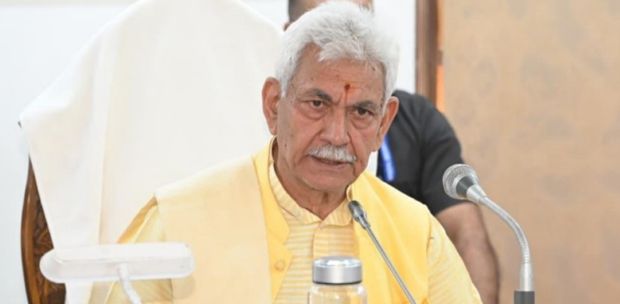
“LG Sinha in base campassessed the quality and readiness of infrastructure designed to host pilgrims. Accommodation facilities, sanitation infrastructure, utility services, and support systems were carefully reviewed.”
 As preparations intensify for the annual Amarnath Yatra2026, the administration in Jammu and Kashmir has moved into the final phase of readiness with visible urgency, precision, and commitment. Scheduled to begin on July 3, the holy pilgrimage to the revered cave shrine of Baba Barfani remains one of India’s most spiritually significant and logistically challenging religious journeys. Each year, lakhs of devotees from across India undertake the sacred journey through the Himalayas, braving difficult terrain, unpredictable weather, and high-altitude conditions to seek blessings at the holy shrine. Managing this pilgrimage is far more than an administrative exercise—it is a complex, multi-dimensional operation involving logistics, infrastructure, healthcare, security, disaster response, crowd management, and public service at the highest level. This year, the administration under Lieutenant Governor Manoj Sinha appears determined to elevate preparedness to an entirely new level.
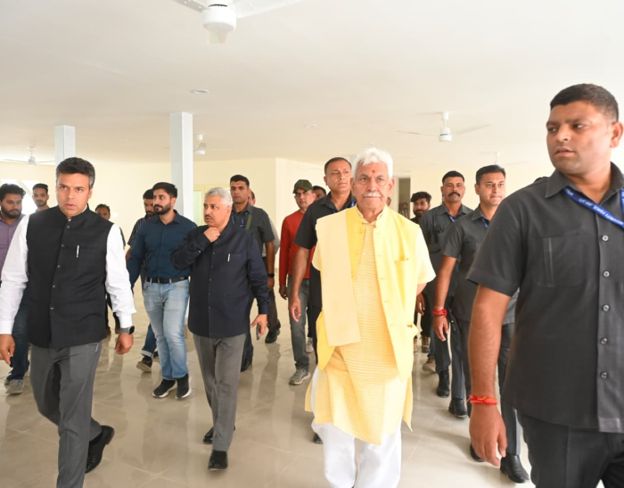
LG Sinha’s Ground-Level Review Sends Strong Message: Lieutenant Governor Manoj Sinha’s recent visit to the Nunwan base camp was significant not merely as an inspection but as a powerful statement of administrative seriousness. By personally visiting the camp and reviewing preparations on the ground, the Lieutenant Governor demonstrated a leadership style centered on direct monitoring and accountability. His visit underscored that Yatra preparedness would not be left to paperwork alone—execution on the ground would remain the defining metric. Accompanied by senior officials including Dr. Mandeep K Bhandari, Dr. Shahid Iqbal Choudhary, Divisional Commissioner Kashmir Anshul Garg, IGP Kashmir VK Birdi, Deputy Commissioner Anantnag Dr. Bilal Mohiuddin Bhat, and SSP Anantnag AmodNagpure Ashok, the Lieutenant Governor reviewed every major aspect of the base camp infrastructure. His inspection included accommodation blocks and essential support infrastructure meant for pilgrims. The message was clear: pilgrim comfort and safety must go hand in hand.
Infrastructure Built Around Pilgrim Comfort: The Nunwan base camp serves as a crucial node for the Pahalgam axis of the pilgrimage. Thousands of pilgrims pass through the camp, making its readiness central to overall Yatra success. During his inspection, the Lieutenant Governor assessed the quality and readiness of infrastructure designed to host pilgrims. Accommodation facilities, sanitation infrastructure, utility services, and support systems were carefully reviewed. Importantly, he directed officers to expedite pending works in the remaining blocks while ensuring quality standards remain uncompromised.
This balance between speed, quality Is critical: In a pilgrimage operating under harsh weather and rugged terrain, infrastructure is more than convenience—it becomes a safety mechanism. Strong shelters, clean sanitation facilities, functional utilities, and reliable camp structures directly influence pilgrim welfare.
Even small deficiencies can create large operational challenges when lakhs of pilgrims are involved. That is why the administration’s insistence on quality matters enormously.
Pahalgam Review Meeting Highlights Full-Spectrum Planning: Following the base camp inspection, LG Manoj Sinha chaired a high-level review meeting in Pahalgam to assess overall preparedness for the Yatra. The meeting brought together senior officials from civil administration, police, traffic management, security forces, and line departments. The scale of discussion reflected the complexity of the Yatra itself. Key sectors reviewed during the high-level meeting included logistics and lodging arrangements, healthcare facilities, sanitation measures, water and power supply, road connectivity, RFID implementation, and the functioning of joint control rooms. The review also covered track widening and maintenance works, construction of footbridges, setting up of langars, creation of holding areas, traffic management, and comprehensive security arrangements to ensure a smooth, safe, and hassle-free pilgrimage for devotees.This broad review indicates that the administration is approaching Yatra management through an integrated systems framework rather than isolated departmental efforts.
Zero Tolerance For Operational Lapses: One of the strongest takeaways from the review meeting was the Lieutenant Governor’s emphasis on a zero-tolerance policy for operational lapses. His statement reflects an uncompromising approach to safety and service delivery. The Amarnath Yatra operates in extreme conditions. Pilgrims encounter high altitudes, oxygen fluctuations, freezing temperatures, sudden rain, landslides, and physically demanding routes. In such an environment, even minor operational failures can escalate rapidly. The Lieutenant Governor recognized this reality and emphasized comprehensive hybrid planning. His directive signaled that every operational risk must be identified, assessed, and mitigated in advance. This represents modern governance at its best—anticipating risk before it becomes crisis.
High-Altitude Risks Demand Specialized Planning: The Himalayan terrain presents unique challenges. Unlike ordinary mass gatherings, the Amarnath Yatra involves movement across steep and elevated mountain routes where weather conditions can change within minutes. High altitude itself creates medical vulnerability. Pilgrims may experience breathlessness, fatigue, dehydration, or altitude-related complications. Recognizing this, LG Manoj Sinha stressed aggressive risk mitigation measures. He specifically directed that weather-based evacuation protocols be established. This is a major intervention. Weather is one of the biggest unpredictable variables during the Yatra. Rain, cloudbursts, and sudden storms can disrupt routes and create hazards. Having evacuation protocols tied to weather intelligence ensures faster decision-making and reduced response time. Preparedness saves lives.
Mountain Response Teams To Strengthen Emergency Response: Among the most important measures announced was the strategic deployment of Mountain Response Teams (MRTs). These teams are expected to be stationed at critical intervals along the route. Their importance cannot be overstated. In mountainous terrain, emergency response time often determines outcomes. Medical emergencies, slips, landslides, or weather-triggered incidents require immediate intervention. Delays can prove costly. By placing trained response teams strategically along the route, the administration is significantly strengthening emergency preparedness. This marks a shift from reactive response to proactive readiness. That distinction is crucial.
Real-Time Crowd Monitoring For Safe Movement: Crowd management remains one of the most challenging aspects of any major pilgrimage. Large gatherings can create congestion, bottlenecks, and choke points—especially along narrow mountain tracks. Recognizing this, the Lieutenant Governor directed officials to utilize real-time crowd analysis. This reflects the increasing role of technology in public administration. Real-time monitoring helps identify pressure points before they become dangerous. Authorities can regulate movement, redirect flow, and prevent overcrowding. This proactive crowd management can significantly improve safety. The goal is not merely movement—but safe, orderly movement. That makes all the difference.
Traffic Management, Supply Chain Continuity: Traffic regulation is another crucial pillar of Yatra preparedness. LG Manoj Sinha directed strict implementation of robust traffic management plans and designated parking zones. This is important for two reasons. First, efficient traffic management ensures smooth pilgrim movement. Second, it guarantees uninterrupted transport of essential supplies. Supply chains are the invisible backbone of the Yatra. Food, oxygen, medicines, fuel, emergency equipment, and camp essentials must move continuously. Even short disruptions can affect operations across multiple camps. Efficient route management ensures operational continuity.
Transit Camps Must Meet Safety Standards: The Lieutenant Governor also stressed rigorous quality inspections of transit tents and camp facilities.
All transit tents must be equipped with functional fire extinguishers and meet safety standards. This may appear like a minor administrative detail, but it reflects strong governance. Safety is often built through such details. Disaster prevention depends on preparedness at every level. The administration is clearly focused on minimizing avoidable risks. That focus inspires confidence. Reliable Water and Power as Essential Services No pilgrimage of this scale can function without reliable utilities. Water and power are foundational services. The Lieutenant Governor directed that all transit camps and halt points maintain dependable water and electricity supply. This is essential for both pilgrims and service providers. Clean water reduces health risks. Reliable electricity improves camp operations, lighting, communication, and medical response. Basic utilities often define the quality of pilgrim experience. Good governance becomes visible through dependable essentials.
“LG Sinha directed strict implementation of robust traffic management plans and designated parking zones.This is important for two reasons. First, efficient traffic management ensures smooth pilgrim movement.Second, it guarantees uninterrupted transport of essential supplies.”
Inter-Agency Coordination The Core Strength: Large-scale operations fail when departments function in silos. LG Manoj Sinha emphasized close coordination among all departments and agencies. This may be the most important factor behind successful Yatra management. Civil administration, police, BRO, health services, traffic police, disaster teams, and the Shrine Board must function as a unified command structure. Communication gaps can create delays. Coordination reduces inefficiency. The administration’s emphasis on synergy reflects strong operational maturity.
Security Framework Gets Major Boost: Security remains among the most sensitive aspects of the Yatra. SSP Anantnag presented a detailed overview of the multi-layered security framework. Security during Amarnath Yatra extends beyond visible deployment. It includes:
- Route sanitization
- Intelligence gathering
- Surveillance
- Access control
- Convoy protection
- Emergency response
- Communication systems
The objective is comprehensive security coverage. Pilgrims should feel secure at every stage of their journey. The multi-layered framework indicates strong preparedness.
Local Communities Strengthen Spirit Of Yatra: One of the most beautiful dimensions of the Yatra is the role of local residents. Every year, local communities contribute immensely to the success of the pilgrimage. Pony operators, porters, shopkeepers, volunteers, langar organizers, and residents provide crucial support. Their participation strengthens Kashmir’s tradition of hospitality. LG Manoj Sinha acknowledged this role while speaking to the media. His remarks highlighted that local stakeholders remain eager to welcome pilgrims. This spirit matters. The Yatra is not only about faith—it is also about human connection.
A Spiritually Enriching Experience Beyond Logistics: The administration’s goal extends beyond safe movement. It seeks to ensure a spiritually enriching pilgrimage. This is an important distinction. A successful Yatra is not defined only by absence of disruption. It is defined by the quality of pilgrim experience. When devotees feel secure, cared for, and supported, they can focus fully on devotion. That is the ultimate objective. Faith flourishes best in an environment of peace and assurance.
Leadership Through Presence, Accountability: What stands out most in the 2026 preparations is LG Manoj Sinha’s leadership style. He has emphasized field presence, direct monitoring, and accountability. This leadership model often determines the success of large public operations. Ground inspections create urgency. Regular reviews ensure follow-up. Clear directives strengthen accountability. The Lieutenant Governor’s hands-on approach sends a strong message to every department: excellence is expected.
A Model Of Governance In Action: The Amarnath Yatra represents one of the most demanding public management exercises in India. It tests planning, coordination, resilience, and service delivery. The preparations for 2026 suggest that the administration is working with heightened focus and upgraded systems. Improved infrastructure, strengthened security, technology-driven monitoring, emergency readiness, and coordinated governance together create a strong foundation. The groundwork appears robust.
Kashmir Horizon View: As July 3 approaches, confidence is steadily growing that Amarnath Yatra2026 will be conducted with unprecedented preparedness and efficiency. Under LG Manoj Sinha’s leadership, the administration has demonstrated clarity of vision and seriousness of purpose. The focus is evident—seamless arrangements, foolproof security, and a memorable pilgrimage experience. The sacred journey to Baba Barfani has always symbolized faith, endurance, and devotion. This year, it also reflects something else—administrative excellence. As chants of “Bam Bam Bhole” begin to echo through the Himalayas, devotees can embark on their sacred journey with renewed confidence. The path to the holy cave is being strengthened not only by faith, but also by meticulous planning, modern governance, and unwavering commitment to public service. Amarnath Yatra 2026 stands poised to become a powerful example of how devotion and governance can move together in harmony.
(“Team Kashmir Horizon” is committed to continuous improvement and invites feedback and suggestions from readers and its followers on social media sites. Reader insights are considered vital for enhancing content quality and empowering the community. The team encourages open communication and values the thoughts and ideas of its audience, believing that such input will enable them to serve the public more effectively. The initiative aims to ensure that readers have the best possible experience with “Kashmir Horizon”. Interested individuals can reach out to us via email at [email protected].)