“Centre’s approval of ₹1,912.99 crore in additional disaster relief assistance highlights the increasing importance of a coordinated national framework to address climate-induced disasters across India. With states facing recurring floods, landslides, cyclones and cloudbursts, the decision by the High-Level Committee chaired by Union Home Minister Amit Shah reflects the government’s effort to ensure timely financial support for relief and rehabilitation.”
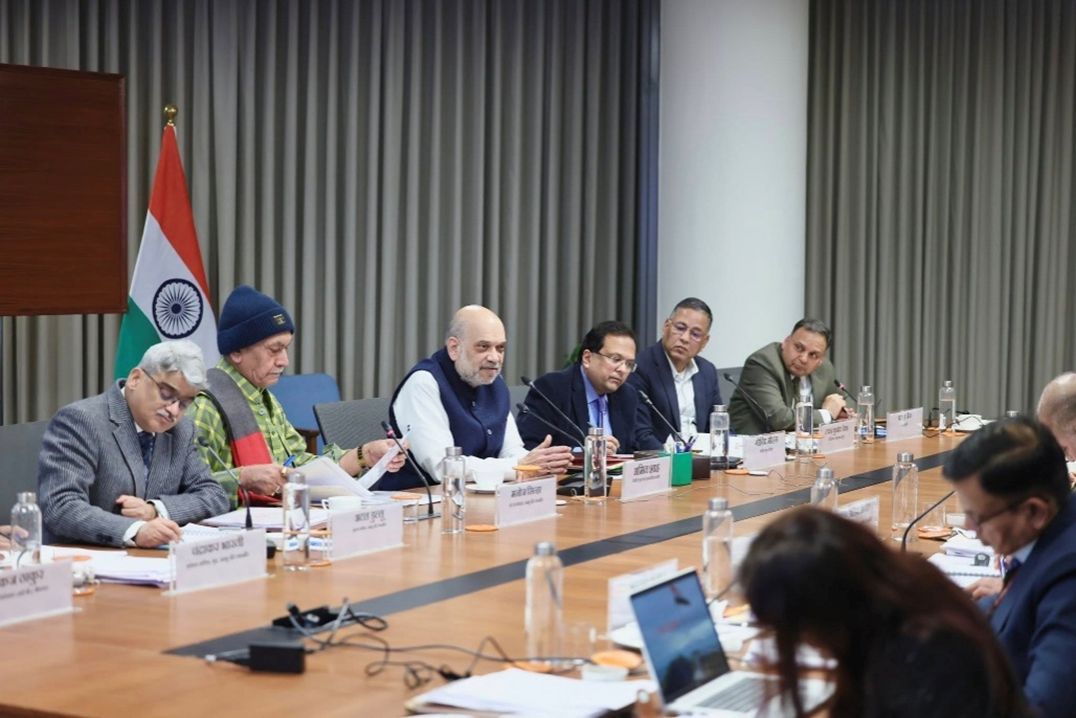
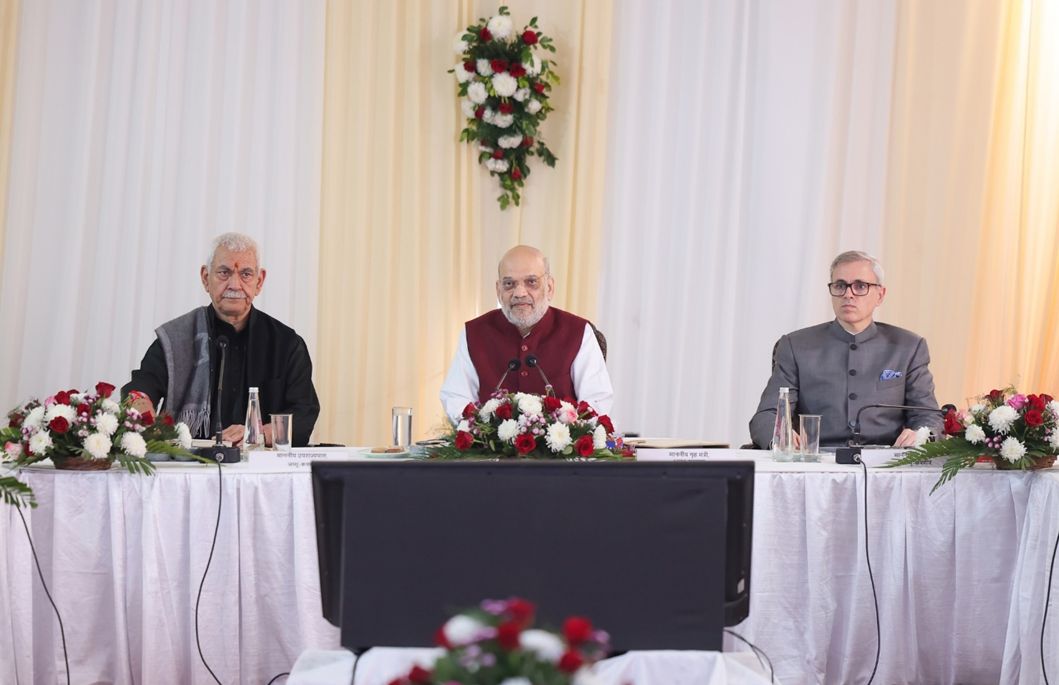
This week in a significant move aimed at strengthening disaster response and recovery mechanisms across the country, the Central government has approved ₹1,912.99 crore in additional financial assistance for six states and the Union Territory of Jammu and Kashmir that were affected by major natural disasters during 2025. The decision was taken by a High-Level Committee chaired by Union Home Minister Amit Shah, signalling the Centre’s continued emphasis on coordinated disaster management and financial support to regions facing climate-induced challenges. The financial assistance, drawn from the National Disaster Response Fund (NDRF), will support relief and rehabilitation measures in Andhra Pradesh, Chhattisgarh, Gujarat, Himachal Pradesh, Nagaland and Jammu and Kashmir. The aid comes in response to damages caused by floods, flash floods, landslides, cloudbursts and the cyclonic storm ‘Montha’ that impacted these regions last year. According to the approved allocations, Gujarat has received the largest share of the relief package with ₹778.67 crore, followed by Andhra Pradesh with ₹341.48 crore and Himachal Pradesh with ₹288.39 crore. The Union Territory of Jammu and Kashmir has been sanctioned ₹330.34 crore, while Nagaland will receive ₹158.41 crore and Chhattisgarh ₹15.70 crore.
Disaster Assistance within A Federal Framework: The release of funds reflects the institutional structure through which India manages disaster relief. States and Union Territories primarily rely on their respective State Disaster Response Fund (SDRF) for immediate relief operations following natural calamities. However, when the scale of damage exceeds available resources, additional support is provided by the Centre through the NDRF after detailed assessment and recommendation by expert committees. Under this system, the latest assistance approved by the High-Level Committee will be adjusted against 50 percent of the opening balance available in the SDRF for the financial year. Officials said this mechanism ensures that state governments utilise their allocated disaster funds efficiently while still having access to central assistance when required. The decision also reflects the evolving nature of India’s disaster governance framework, which seeks to balance federal responsibilities with national coordination. In recent years, the Centre has increasingly emphasised rapid financial support, technical expertise and coordinated response mechanisms during disasters.
Rising Frequency Of Climate-Induced Disasters: The financial package comes against the backdrop of increasing climate variability and the growing frequency of extreme weather events across India. Floods, landslides, cyclones and cloudbursts have become more frequent and intense, posing serious challenges to infrastructure, agriculture and livelihoods. Experts note that regions such as the Himalayan belt and coastal states are particularly vulnerable to climate-driven disasters. For example, mountainous states including Himachal Pradesh and Jammu and Kashmir frequently face landslides and flash floods triggered by heavy rainfall or cloudbursts. Coastal regions, on the other hand, are more exposed to cyclones and storm surges. The cyclone ‘Montha’, which affected parts of the country in 2025, caused significant damage in several states. Similarly, intense rainfall events led to flash floods and landslides in various hill regions, highlighting the need for improved disaster preparedness and resilient infrastructure. Officials say the central assistance approved by the High-Level Committee is intended not only to provide immediate relief but also to support long-term rehabilitation efforts in these vulnerable areas.
Centre’s Expanding Disaster Funding Architecture: The latest relief package forms part of a broader financial architecture designed to manage disasters across India. During the financial year 2025–26, the Central government has already released ₹20,735.20 crore to 28 states under the SDRF framework. Additionally, ₹3,628.18 crore has been provided to 21 states from the NDRF to assist with disaster response activities. Beyond these funds, the government has also strengthened mitigation efforts by releasing ₹5,373.20 crore to 23 states under the State Disaster Mitigation Fund (SDMF) and ₹1,189.56 crore to 21 states through the National Disaster Mitigation Fund (NDMF). The increasing allocation of mitigation funds reflects a policy shift from reactive disaster relief to proactive risk reduction. Instead of focusing solely on relief and rehabilitation after disasters occur, authorities are investing in measures that reduce vulnerability before disasters strike. These measures include strengthening embankments, improving drainage systems, building flood-resistant infrastructure and enhancing early warning systems. Experts argue that such investments are essential for reducing the long-term economic and human costs of disasters.
Implications for Jammu & Kashmir: For Jammu and Kashmir, the approved ₹330.34 crore assistance arrives at a critical time as the Union Territory continues to navigate the challenges posed by its geography and climate. The Himalayan terrain of the region makes it particularly susceptible to natural disasters such as landslides, avalanches and flash floods. Heavy rainfall during monsoon months often triggers landslides that disrupt road connectivity and damage infrastructure. Similarly, cloudburst events can lead to sudden flooding in mountainous valleys. In recent years, authorities have increasingly prioritised disaster preparedness in the region. Investments in early warning systems, emergency response training and infrastructure reinforcement have been undertaken to reduce vulnerability. The latest central assistance is expected to support ongoing recovery efforts from disasters that occurred in 2025, including repair of roads, bridges, water supply systems and other public infrastructure damaged by floods and landslides. Officials say the funding will also strengthen the capacity of local disaster management authorities to respond to future emergencies.
Linking Disaster Recovery With Development: While disaster relief remains the immediate objective of the funding package, policymakers increasingly recognise the importance of integrating disaster recovery with broader development initiatives. In Jammu and Kashmir, this approach is reflected in parallel investments aimed at strengthening rural infrastructure and livelihoods. The Rural Development and Panchayati Raj Department has recently sanctioned ₹195.96 crore under the Mahatma Gandhi National Rural Employment Guarantee Act (MGNREGA) to accelerate rural development works across the Union Territory. According to official orders issued by the department, ₹174 crore has been allocated under the material component of the scheme for the financial year 2025–26. The funds will be used to support construction and infrastructure projects in rural areas, including roads, irrigation channels and water conservation structures. In addition to project funding, ₹21.58 crore has been sanctioned as honorarium for staff involved in implementing the programme between November 2025 and March 2026. A further ₹38.57 lakh has been allocated for personnel handling legal matters related to the scheme. Officials say the timely release of funds will ensure the uninterrupted implementation of rural development programmes and accelerate the execution of key projects across villages.
“The assistance from the National Disaster Response Fund comes as part of a larger disaster management structure where states initially utilise the State Disaster Response Fund before seeking additional central aid. The growing scale of allocations also signals the rising fiscal burden of extreme weather events, which are becoming more frequent due to changing climatic patterns.”
Role Of Rural Infra In Disaster Resilience: Experts argue that programmes like MGNREGA can play a significant role in strengthening disaster resilience, particularly in vulnerable rural areas. Infrastructure created under the scheme often includes water harvesting structures, flood protection works, soil conservation projects and rural connectivity improvements. Such assets not only generate employment but also reduce the long-term risk of environmental degradation and disaster damage. In mountainous regions like Jammu and Kashmir, water management and soil conservation measures are particularly important. Properly designed infrastructure can prevent landslides, regulate water flow and reduce the impact of heavy rainfall events. By linking rural employment with environmental protection and infrastructure development, policymakers hope to create a more sustainable development model.
Administrative, Political Response: Senior officials have emphasised that the combination of disaster relief assistance and rural development funding reflects a comprehensive strategy for addressing both immediate challenges and long-term development goals. Secretary Rural Development and Panchayati Raj Department Mohammad Aijaz Asad said the timely release of funds would strengthen the implementation of development programmes and ensure that key infrastructure projects are completed on schedule. Meanwhile, Jammu and Kashmir’s Minister for Rural Development and Panchayati Raj Javid Ahmad Dar welcomed the funding support, expressing gratitude to the Union Ministry of Rural Development for facilitating the release of funds under the MGNREGA scheme. According to the minister, the additional resources will help accelerate development works in rural areas and provide employment opportunities to thousands of households.
Balancing Relief, Recovery, Preparedness: India’s disaster management strategy increasingly focuses on three interconnected pillars: relief, recovery and preparedness. While relief measures address immediate humanitarian needs, recovery efforts rebuild infrastructure and livelihoods, and preparedness initiatives aim to reduce future risks. The approval of the ₹1,912.99 crore disaster relief package demonstrates the importance of maintaining strong financial mechanisms for emergency response. At the same time, investments in mitigation funds and rural infrastructure highlight the shift towards long-term resilience. Experts emphasise that such integrated approaches are essential in the context of climate change. As extreme weather events become more frequent, governments must adopt policies that combine disaster response with sustainable development and environmental management.
Kashmir Horizon View: Looking ahead, the effectiveness of disaster assistance will depend largely on efficient implementation and coordination between central and local authorities. Transparent utilisation of funds, timely completion of reconstruction projects and strong monitoring mechanisms will be essential to ensure that financial allocations translate into tangible improvements for affected communities. In regions like Jammu and Kashmir, strengthening local disaster management institutions will also be crucial. Training programmes, improved early warning systems and community awareness initiatives can significantly enhance preparedness at the grassroots level. Equally important is the integration of disaster resilience into development planning. Infrastructure projects must be designed with climate risks in mind, ensuring that roads, bridges and public utilities can withstand extreme weather events. The Central government’s approval of ₹1,912.99 crore in disaster relief assistance marks another step in India’s evolving approach to disaster management and resilience-building. By supporting states affected by natural calamities and strengthening financial mechanisms for relief and recovery, the Centre aims to ensure that communities can rebuild quickly and effectively. For Jammu and Kashmir, the assistance provides an opportunity to strengthen recovery efforts while advancing broader development initiatives in rural areas. When combined with programmes such as MGNREGA, disaster relief funding can contribute not only to rebuilding damaged infrastructure but also to creating sustainable livelihoods and resilient communities. As climate-related challenges continue to shape the future of disaster governance, the integration of relief, mitigation and development strategies will remain central to safeguarding lives, protecting infrastructure and ensuring sustainable growth across India.
(“Team Kashmir Horizon” is committed to continuous improvement and invites feedback and suggestions from readers and its followers on social media sites. Reader insights are considered vital for enhancing content quality and empowering the community. The team encourages open communication and values the thoughts and ideas of its audience, believing that such input will enable them to serve the public more effectively. The initiative aims to ensure that readers have the best possible experience with “Kashmir Horizon”. Interested individuals can reach out to us via email at [email protected].)