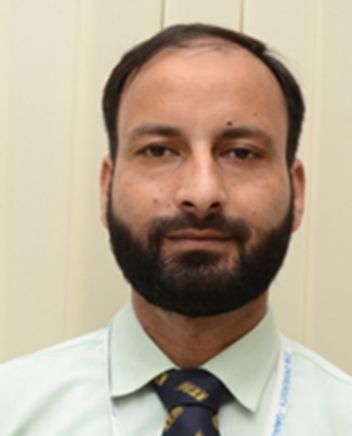
Dr. Shahid Amin Bhat
Early mornings in the month of Ramadan often bring moments of reflection. After sehri, when the house is quiet and the day has not yet fully begun, conversations sometimes take unexpected and meaningful turns. One such moment occurred last day at home, when I decided to have what I called a “motivational session” with my daughter Ayesha.
Like many parents today, I occasionally worry about the amount of time children spend on their phones. Screens have become a constant companion for the younger generation, often replacing activities that help build confidence and communication skills. So last day morning, after sehri, I gently spoke to Ayesha about reducing phone usage and finding ways to build confidence through meaningful activities. One suggestion I gave her was to start preparing small speeches on topics she likes. Public speaking, after all, is one of the best ways to develop clarity of thought and self-confidence.
To make it easier for her, I suggested that she prepare a speech about Kashmir — its breathtaking natural beauty, its rich culture, and above all, its well-known hospitality. That is when the conversation took a delightful and humorous turn. When I mentioned hospitality, she looked at me innocently and asked, “Yes, there are hospitals there, right?”
For a moment, I was slightly surprised, but then I could not help laughing. The misunderstanding between hospitality and hospital instantly reminded me of an interview I once saw, where an athlete had given a very similar answer when asked about the hospitality of a place. It was one of those innocent moments that children create — moments that are both funny and memorable.
While I was still explaining the actual meaning of hospitality, my little son Salik joined the discussion. With complete confidence and a smile, he gave an example that summed up Kashmiri hospitality far better than any lecture I could give. He simply said: “Palawchatin (torn our own clothes) …”
Anyone familiar with Kashmiri culture immediately understands the humour behind this phrase. And honestly, that one expression captures the spirit of Kashmiri hospitality better than many academic discussions.
Before anyone takes it the wrong way, let me clarify that this phrase is used humorously. What it truly reflects is the extraordinary warmth with which Kashmiris treat their guests. In Kashmiri culture, guests are not merely visitors; they are treated with immense respect and affection. The old belief that “to please a guest is like pleasing the God” is deeply embedded in social behavior. Families often go to great lengths to ensure that guests feel welcomed, comfortable, and honored.
In fact, many Kashmiri households feel a sense of responsibility to make guests eat well, rest well, and leave with happy memories. Food becomes the primary expression of care and affection. The dining space turns into a space where love, respect, and generosity are expressed through delicious dishes and repeated invitations to eat more.
However, there is an interesting cultural trait associated with this hospitality — one that many people from Kashmir will instantly recognize.Even if a guest politely says, “I have already eaten,” the host may still insist: “Just a little more.” “Please taste this.” “You cannot leave without eating.” This insistence is not pressure in the negative sense; it is an expression of care. The host genuinely believes that encouraging the guest to eat more is a sign of affection and responsibility.
Yet, as societies evolve and lifestyles change, it may also be useful to reflect on some of these practices.Humans, after all, are not gods. While hospitality is a beautiful value, it should also be balanced with awareness about health and well-being.
I say this with humility because I myself grew up in the same culture in Kashmir. I have experienced this warmth firsthand, and it is something I deeply cherish. However, having spent many years outside Kashmir, I have also observed how hospitality is practiced in other places.
“In fact, many Kashmiri households feel a sense of responsibility to make guests eat well, rest well, and leave with happy memories. Food becomes the primary expression of care and affection. The dining place turns into a space where love, respect, and generosity are expressed through delicious dishes and repeated invitations to eat more.”
In many regions, guests are welcomed warmly, conversations are lively, and people feel comfortable — but there is often less insistence regarding food. Guests are offered meals generously, but their choices are respected. If someone says they have already eaten, the host usually accepts it without much persuasion.This difference made me think about changing health realities in today’s world.
Modern society is facing a growing number of health challenges. Lifestyle diseases are becoming increasingly common. Reports frequently highlight rising cases of diabetes, heart disease, obesity, and even cancer. Just a few days ago, a report appeared in Greater Kashmir and it is now common mentioning thousands of people suffering from cancer. Such news is always concerning.
May God keep everyone safe.But along with prayers, we also need awareness and responsible habits.Overeating — especially when we have already eaten — may seem harmless in a moment of social warmth, but repeated patterns can slowly affect health. Our bodies function best when we eat mindfully and maintain balance.Hospitality should bring joy, not discomfort.
Perhaps the time has come to reinterpret hospitality slightly — not by reducing warmth, but by combining it with awareness. Offering healthy food options, respecting guests’ choices, and encouraging balanced eating habits can make hospitality even more meaningful.
At the same time, there are other habits we need to rethink as families and communities.One major concern today is screen time, especially among children. Smartphonesdominate a large part of daily life. While technology is useful and often necessary, excessive use affects concentration, physical health, and social interaction.Encouraging children to read, speak, play outdoors, and engage in creative activities can help them develop confidence and emotional balance.
Another important aspect is physical activity. Modern lifestyles have become increasingly sedentary. Many people spend long hours sitting — at work, at home, or while using digital devices. Regular exercise, even in simple forms like walking, stretching, or playing sports, can significantly improve physical and mental health.
Families can also revive older traditions of social mingling. In earlier times, neighbours visited each other frequently, people sat together for conversations, and communities were closely connected. Such interactions naturally promoted emotional well-being and reduced stress.Today, despite being digitally connected, many people feel socially isolated.Reintroducing small practices — evening walks with family members, community gatherings, storytelling sessions for children, or shared activities — can rebuild these social bonds.There is greater need to teach children balance: balance between technology and real life, between food and health, between work and relaxation.
Our cultural traditions are valuable treasures, but every generation also has the responsibility to adapt them to changing realities. Hospitality, kindness, and generosity must continue to define us, but they can evolve in ways that promote healthier lifestyles.
That morning conversation after sehri started with a simple attempt to motivate a child. It produced a humorous misunderstanding about “hospitality” and “hospitals,” followed by the unforgettable phrase “palawchatin.” But behind that laughter was a reminder about culture, habits, and the small choices that shape our lives.
Perhaps the real lesson is this:We should keep our warmth, our humour, and our hospitality alive — but also develop healthier and wiser habits for ourselves and for our children.Because the future belongs to the next generation, and the habits we nurture today will quietly shape their tomorrow.And who knows — maybe someday Ayesha will actually give that speech about Kashmir, explaining its beauty, culture, and hospitality.Hopefully this time, she will not confuse it with hospitals.
(The author is Associate Professor, Department of Management, President Institute’s Innovation Council, ITM Gwalior and an IIMA (FDP) Alumnus. He is certified Business Consultant of AIMA . The views, opinions and conclusions expressed in this article are those of the author and aren’t necessarily in accord with the views of “Kashmir Horizon”)