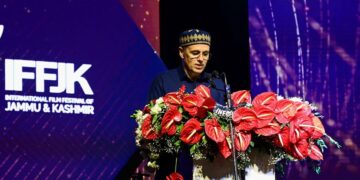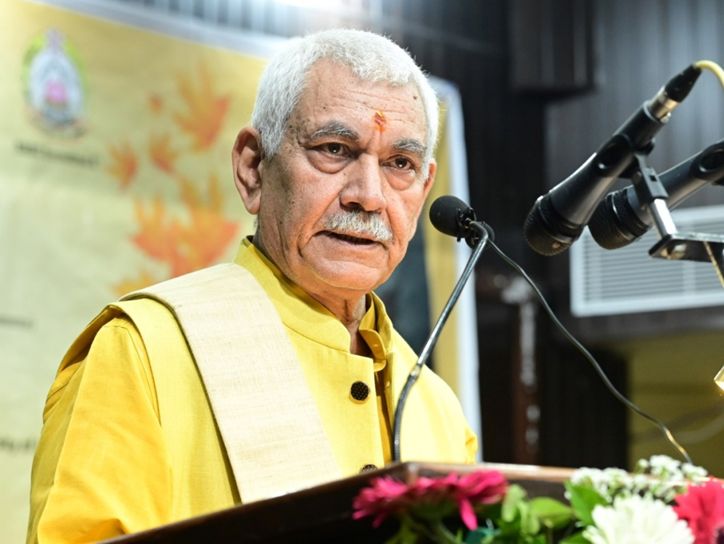
“Kashmiri Pandit (KP) community’s contributions to scholarship, administration, culture and nation-building remain integral to the region’s identity. Even during years of displacement, Pandits continued to excel across professions and geographies, demonstrating resilience and intellectual strength. Their return, therefore, is not merely about resettlement but about restoring a historic and vibrant civilisational presence within the Valley’s social fabric,” LG Sinha
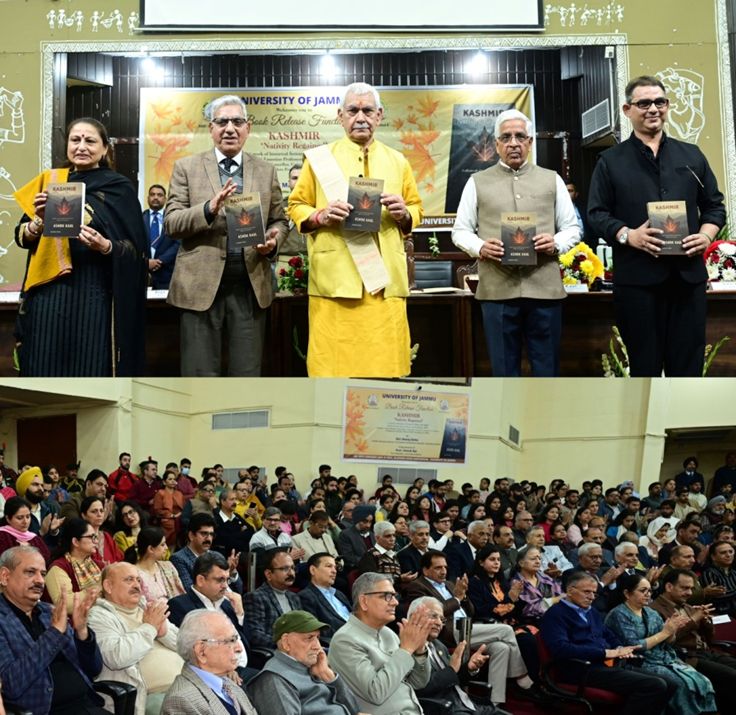
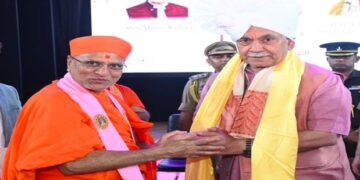
This week release of “Kashmir–Nativity Regained” by Prof. Ashok Kaul became more than a literary milestone; it evolved into a reaffirmation of hope, resilience and a renewed commitment to restoring historical justice. Addressing a distinguished gathering at the University of Jammu, Lieutenant Governor Manoj Sinha underscored that the return of Kashmiri Pandits with full dignity and security remains a solemn commitment of Prime Minister Narendra Modi. The event resonated deeply with the themes explored in Prof. Kaul’s book memory, exile, and the enduring spirit of a community that preserved its cultural and spiritual identity despite displacement. Yet, the tone of the gathering was forward-looking. It was about reclaiming roots, rebuilding confidence and reaffirming the inclusive identity of Jammu and Kashmir.
Shattering Silence, Restoring Memory: LG’ Sinha described “Kashmir–Nativity Regained” as more than a literary endeavour. He called it a courageous effort to break the silence that had enveloped collective consciousness for decades. The 1989–90 exodus of Kashmiri Pandits, marked by targeted violence and mass displacement, remains one of the most painful chapters in the region’s history. By acknowledging this trauma in an institutional forum, the administration signalled its commitment to ensuring that the suffering of displaced families is neither forgotten nor marginalised. “Among the world’s gravest sorrows,” Sinha observed, “is the agony of becoming a stranger on one’s own soil.” This sentiment captured the essence of the book and the emotional core of the community’s experience. However, the Lieutenant Governor’s message was not confined to grief. It celebrated resilience. He saluted the indomitable spirit of the Kashmiri Pandit community, noting how displaced families carried within them a “living ember of Kashmir.” Despite exile, they preserved philosophy, language, traditions and spiritual heritage, contributing meaningfully to society across India and abroad.
Transformation Since 2019: A central theme of Sinha’s address was the profound transformation of Jammu and Kashmir since 2019. He described the period as one in which adversarial forces seeking to undermine the region’s destiny had been decisively countered. According to him, the abrogation of Article 370 and the full constitutional integration of Jammu and Kashmir marked a turning point that restored faith in the possibility of safe return. The Lieutenant Governor emphasised that development has accelerated across sectors infrastructure, education, health and governance creating an environment conducive to stability and growth. He expressed confidence that the scourge of terrorism would soon be completely eradicated from the soil of Jammu and Kashmir. This narrative of security consolidation and developmental momentum forms the foundation of the administration’s assurance that return is not merely aspirational but achievable.
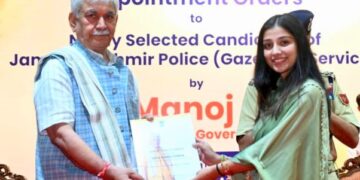
Dignity, Security, Policy Measures: The emphasis on “full dignity and security” underscores that the government views return not as a symbolic gesture but as a structured process. Security arrangements, employment opportunities, housing initiatives and property restitution mechanisms are being strengthened to facilitate reintegration. The Lieutenant Governor highlighted the launch of the Kashmiri Migrant web portal in 2021 as a concrete step toward recovering encroached houses and lands belonging to displaced families. Property rights are central to restoring confidence, as homes and land represent both material security and emotional belonging. Efforts to provide employment and essential services to affected families are also underway. Sinha noted that justice has begun to flow to many families impacted by past violence, signalling that the administration is addressing both historical grievances and present needs.
Inclusive Healing, Shared Suffering: While focusing on the tragedy faced by Kashmiri Pandits, the Lieutenant Governor also acknowledged that terrorism claimed the lives of thousands of innocent Kashmiri Muslims. This recognition reinforces the message that militancy harmed the broader social fabric of the region. By emphasising shared suffering, the administration seeks to promote reconciliation and unity. The narrative emerging from the event was not one of division but of collective healing — an affirmation that Jammu and Kashmir’s future must be inclusive and harmonious.
Cultural Reaffirmation, Intellectual Engagement: The presence of academic leaders, literary figures and senior officials at the event highlighted the intellectual and cultural dimensions of the return narrative. Prof. Kaul’s work situates the Kashmiri Pandit story at the heart of Jammu and Kashmir’s evolving identity. Through his words, the Lieutenant Governor said, Prof. Kaul proclaims to the world that the Kashmiri Pandit community remains integral to the region’s narrative. This cultural reaffirmation is significant. It asserts that the return of displaced communities strengthens, rather than fragments, the social fabric. Events like the book release contribute to preserving historical memory while fostering dialogue about reconstruction. Literature becomes both testimony and bridge — connecting past experiences with future aspirations.
“Efforts to strengthen safety mechanisms, provide employment opportunities and create infrastructure that supports sustainable rehabilitation. By framing nativity as both emotional belonging and active participation in public life, he conveyed optimism that return can evolve from aspiration to reality. The lasting peace, transparent governance and inclusive development are the foundations upon which the confidence of the Kashmiri Pandit community can be fully rebuilt,” LG Sinha.
Youth, Confidence, Future: A recurring motif in the Lieutenant Governor’s speech was faith in the younger generation. He suggested that constitutional changes in 2019 instilled renewed confidence among Kashmiri Pandit youth that they could reclaim their ancestral roots without fear. Youth engagement is critical for sustainable return. Beyond physical relocation, the next generation must see opportunity, security and belonging in Jammu and Kashmir. Educational institutions, entrepreneurship initiatives and technology-driven governance reforms are shaping an environment that aspires to be dynamic and inclusive. By linking the return narrative with development and opportunity, the administration presents it not as a backward-looking exercise but as part of a forward-moving vision for the Union Territory.
Reconstruction, A Defining Era: Calling the present period an “era of reconstruction,” Sinha conveyed optimism about Jammu and Kashmir’s trajectory. Infrastructure expansion, tourism revival, industrial investments and enhanced connectivity are frequently cited as indicators of progress. In this broader context, the return of Kashmiri Pandits assumes symbolic and practical significance. It represents restoration of pluralism, affirmation of constitutional values and consolidation of peace. The Lieutenant Governor’s confident assertion that the soil of Jammu and Kashmir will soon be freed entirely from terrorism reinforces the belief that durable stability is within reach.
Nativity A Living Reality: LG Sinha placed the return of the Kashmiri Pandit community within a broader framework of dignity, reconciliation and institutional renewal. By highlighting the enduring contribution of the community to philosophy, scholarship, governance and cultural life, he reframed the discourse from one centred solely on displacement to one rooted in resilience and accomplishment. Even in exile, he noted, Kashmiri Pandits have excelled across diverse sectors, reinforcing the idea that their return is not about reviving a weakened presence but about reintegrating a vibrant and accomplished community into the region’s evolving socio-economic landscape. The release of “Kashmir – Nativity Regained” symbolised more than remembrance; it signalled a policy commitment anchored in security consolidation, infrastructure expansion and confidence-building measures. The Lieutenant Governor emphasised that dignified return must rest on three pillars — safety, opportunity and societal acceptance. Security improvements over recent years, combined with targeted rehabilitation initiatives and employment packages, reflect a governance approach that seeks to transform aspiration into implementation. Nativity, in this framework, is not merely emotional belonging but secure participation in public life.
Kashmir Horizon View: A central message of the address was that development and reconciliation are inseparable. The Lieutenant Governor underscored that infrastructure projects, digital governance systems and industrial growth are not isolated achievements; they form the ecosystem necessary for sustainable resettlement. Roads, housing clusters, employment schemes and transparent administration collectively build confidence among displaced families. Stability, he stressed, remains the foundation upon which trust can be rebuilt and economic opportunity expanded. The way forward, therefore, lies in deepening institutional reform and participatory governance. Transparent recruitment processes, efficient grievance redressal mechanisms and corruption-free administration strengthen credibility. The emphasis on e-governance and accountability reflects a recognition that long-term reconciliation depends as much on administrative fairness as on security arrangements. Trust grows when systems function predictably and equitably. Youth engagement also emerged as a crucial component of the broader vision. Jammu & Kashmir’s demographic dividend offers a pathway toward shared prosperity. Skill development, entrepreneurship support, startup incubation and industry-academia collaboration can create local opportunities that anchor communities in place. By ensuring that young people — across all communities — see a viable future within the Union Territory, the administration seeks to transform reconciliation into a generational project rather than a symbolic gesture. Economic diversification further strengthens this trajectory. Tourism growth, agricultural modernisation and expansion of MSMEs provide new avenues of livelihood. Handicrafts, horticulture, information technology and renewable energy sectors offer potential for inclusive growth. The Lieutenant Governor’s emphasis on policy transparency and investor confidence signals an intent to create an environment where return is accompanied by economic stability. Social inclusion remains integral to this roadmap. Women’s empowerment initiatives, rural livelihood missions and improved healthcare and education infrastructure widen the base of development. Balanced growth ensures that the promise of nativity is not confined to specific clusters but becomes part of a broader social transformation. In conclusion, the Lieutenant Governor’s address projects cautious optimism grounded in structural change. It acknowledges historical pain while articulating a forward-looking narrative of reconstruction and confidence. The aspiration expressed is clear: that nativity should not remain confined to memory or literature but re-emerge as lived experience. Through sustained policy commitment, continued security consolidation and societal goodwill, the vision of dignified return is positioned not as distant hope but as an unfolding chapter in Jammu and Kashmir’s journey toward lasting peace, reconciliation and shared prosperity.
(“Team Kashmir Horizon” is committed to continuous improvement and invites feedback and suggestions from readers and its followers on social media sites. Reader insights are considered vital for enhancing content quality and empowering the community. The team encourages open communication and values the thoughts and ideas of its audience, believing that such input will enable them to serve the public more effectively. The initiative aims to ensure that readers have the best possible experience with “Kashmir Horizon”. Interested individuals can reach out to us via email at [email protected].)