

Our recent visit to our hometown, Tral in Kashmir, was more than just a trip — it was a return to our roots, filled with memories, emotions, and reflections. This time, we planned our journey differently. From Gwalior, we booked a train straight to Katra, where we stayed overnight in an IRCTC hotel. The next morning, we boarded the Vande Bharat Express to Kashmir — a proud reminder of India’s remarkable progress in making travel shorter, smoother, and safer. Reaching home was pure joy. Kashmir never fails to captivate — every breeze, every mountain, every familiar street carried a story. We cherished our stay, surrounded by family, neighbours, and the timeless beauty of the valley. When it was time to return to Gwalior, we booked our Vande Bharat tickets from Srinagar to Katra, but unfortunately, they remained on the waiting list and had to be cancelled. To keep our schedule intact, we asked a friend to arrange a cab from home to Jammu, from where we had a confirmed train.
As a family with two children, we specifically requested a middle seat — the most comfortable option on the winding Jammu Highway, often challenging for passengers prone to motion sickness. We emphasized our request clearly, both to our friend and later to the driver who called us directly. Both assured us the seat was reserved. However, when the cab arrived early in the morning, our surprise turned into disappointment. The middle seat was already occupied. Despite our prior communication, the driver appeared indifferent, even dismissive. Another passenger — refused to move, while the driver insisted we adjust. We tried reasoning, explaining that we had booked the seat in advance, but instead of apologizing, the driver became defensive and commanding. Soon, neighbours gathered around, and everyone suggested we let it go. Yet, deep inside, we wondered — should we really stay silent when a promise is broken?
Even the passenger in the front seat soon realized he too had been misled. The driver’s attempt to reshuffle passengers — asking me and my son to sit in front, my wife in the middle seat, and another passenger at the back seat— made matters more confusing. It felt careless and unfair. Then, our little son, who usually avoids long car rides because of the hilly route, spoke up calmly. He offered to take the back seat himself so that the other passenger who was old aged could be comfortable. His humility and empathy softened the entire atmosphere. Seeing this, the driver finally became apologetic. We told him, “It’s alright now,” but we also shared a few words of advice — not out of anger, but out of concern.
“Passengers must learn to raise their voice politely but firmly when treated unfairly. Fair treatment is not a privilege — it’s a right. Equally, some passengers themselves support such wrong practices for personal benefit — occupying seats they didn’t book, defending drivers who bend rules for them. This too is a form of silent corruption, and it hurts everyone in the long run.”
We explained that trust and fairness are the lifelines of service industries, and when these values are compromised, everyone suffers — drivers, passengers, and the community as a whole. He mentioned that the middle seat was given to two girls, to which we responded, “They are like our daughters and sisters too, but fairness and booking order must come first.” I made it clear that we held no personal grudge. We come from a family of drivers, and we deeply RESPECT the dignity of their work. Having grown up around the transport business, we understand the challenges of long hours and tough roads. To ease the mood, we offered him chewing gum, and the rest of the journey continued peacefully.
We hoped, however, that he would remember the lesson — that honesty and responsibility are what keep every service running smoothly. This experience also left us with a message for fellow passengers.We often stay silent in such moments, thinking it’s easier to adjust or avoid conflict. But silence encourages injustice. If we keep quiet when promises are broken, we indirectly allow such unfair practices to continue.
Passengers must learn to raise their voice politely but firmly when treated unfairly. Fair treatment is not a privilege — it’s a right. Equally, some passengers themselves support such wrong practices for personal benefit — occupying seats they didn’t book, defending drivers who bend rules for them. This too is a form of silent corruption, and it hurts everyone in the long run. Let us remember: integrity in travel begins with us — as passengers, as drivers, and as citizens. Only when we all value fairness over convenience can journeys truly become comfortable, dignified, and trustworthy.
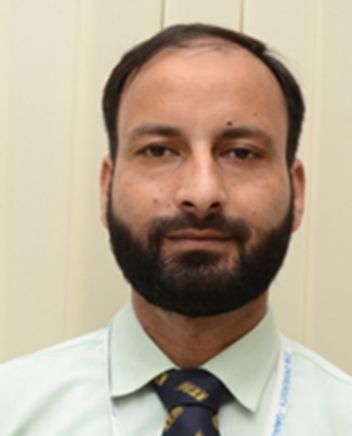
(The author is Associate Professor, Department of Management, President Institution’s Innovation Council, ITM Gwalior and an IIMA (FDP) Alumnus. The views, opinions and conclusions expressed in this article are those of the author and aren’t necessarily in accord with the views of “Kashmir Horizon”)
[email protected]







