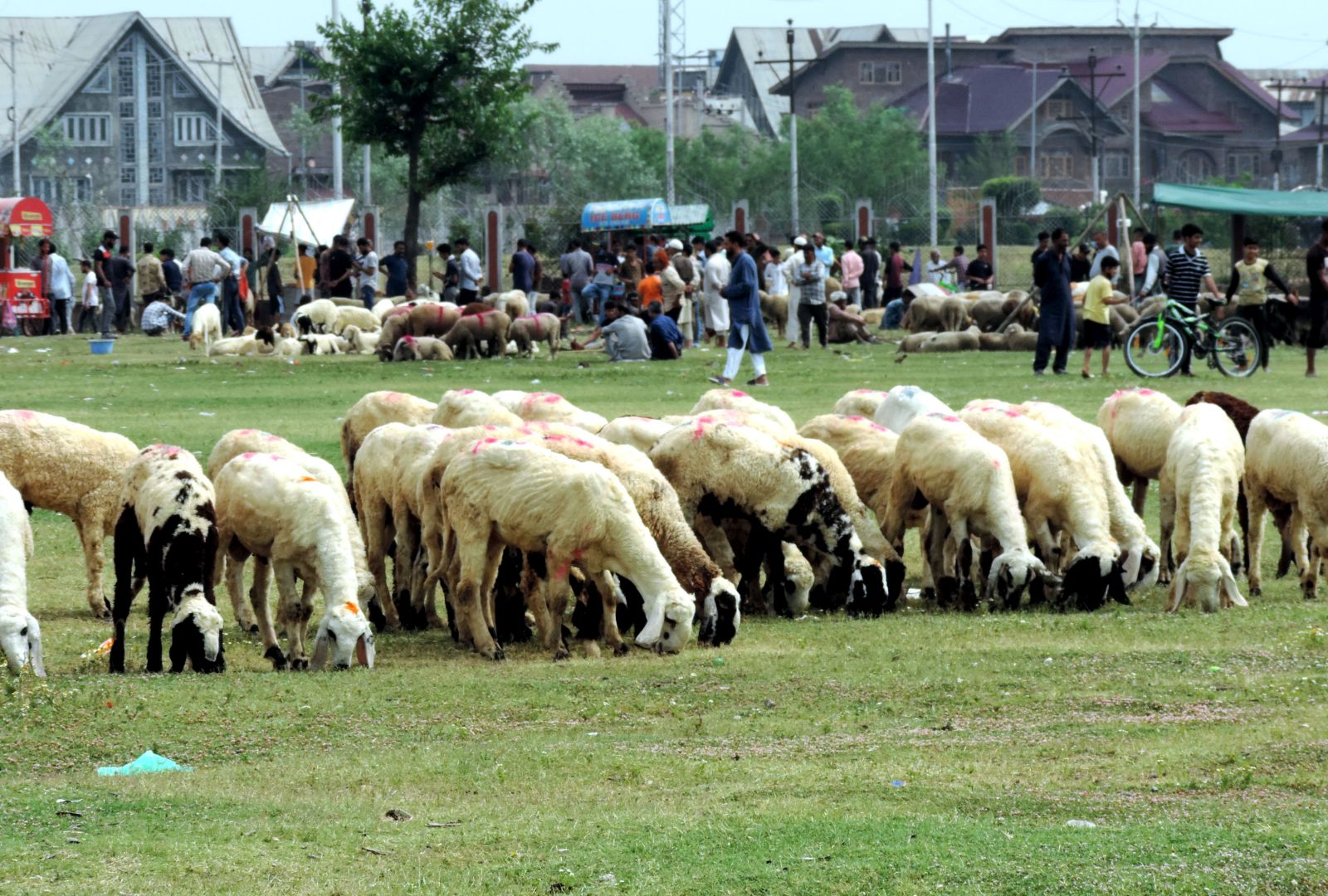
As the auspicious occasion of Eid al-Adha approaches, a concerning trend has emerged across markets, the steep rise in prices of sheep and other animals designated for sacred sacrifice. This annual ritual, deeply rooted in Islamic tradition, symbolizes devotion, charity, and community spirit. However, the escalating costs of livestock are placing an undue burden on families, threatening the essence of this sacred practice. It is imperative that the government takes swift action to regulate these prices and issue a circular to curb exploitative practices.The Price Surge Phenomenon In the weeks leading up to Eid al-Adha, demand for sheep, goats, camels, and cattle surges as Muslims prepare for Qurbani, the sacrificial offering commemorating Prophet Ibrahim’s willingness to sacrifice for Allah. Unfortunately, this heightened demand has led to rampant price hikes. Reports from local markets indicate that sheep prices, for instance, have skyrocketed by 30-50% compared to regular rates, with some vendors charging exorbitant amounts often double or triple the usual cost. A healthy sheep that typically costs between 10000 and 15000 in off-season months is now being sold for 70000 to 80000 or more as Eid nears. Similar trends are observed for goats and other animals, making the ritual financially daunting for many.This price inflation is not merely a result of supply and demand dynamics. Unscrupulous traders and middlemen exploit the religious significance of the occasion, artificially inflating prices to maximize profits. In some regions, cartels of livestock sellers collude to fix rates, leaving buyers with little choice but to pay the premium or forgo the tradition altogether. This practice disproportionately affects low- and middle-income families, for whom Qurbani is a cherished act of faith, often funded through months of savings.Impact on the Spirit of Eid Eid al-Adha is not just about sacrifice; it embodies sharing and compassion, with the meat distributed among family, friends, and the poor. However, soaring prices undermine this ethos, forcing many to either stretch their budgets beyond reason or abandon the practice, thus diluting the communal and spiritual significance of the festival.
“Educate consumers on fair prices, combat overcharging, protect Eid’s sanctity through government action, and make sacrificial duty affordable for all. Curbing unfair rate hikes now is crucial.”
The rising costs also raise questions about accessibility and fairness, as the less fortunate struggle to participate in a ritual meant to foster unity and generosity. The Need for Government Intervention The government has a critical role to play in addressing this issue. Unregulated price hikes not only exploit consumers but also tarnish the sanctity of Eid al-Adha. Immediate action is necessary to protect citizens and preserve the integrity of this sacred tradition. The government should Establish a cap on livestock prices for Eid, based on fair market rates, to prevent profiteering. Regional authorities can collaborate with livestock associations to set reasonable price ranges for sheep, goats, and other animals.And the government must issue an official circular condemning exploitative pricing and outlining strict penalties for violators. This directive should mandate transparency in pricing and empower local officials to monitor markets. Deploy inspection teams to livestock markets to ensure compliance with pricing guidelines and curb black-market activities or hoarding by traders. Moreover Offer subsidies or facilitate direct procurement from farmers to reduce costs, ensuring affordable access to animals for sacrifice. Launch campaigns to educate consumers about fair prices and encourage reporting of overcharging, empowering communities to resist exploitation. The sacred sacrifice of Eid al-Adha is a pillar of faith, not a commercial opportunity. The government must act decisively to rein in runaway prices and protect the spirit of this holy occasion. By issuing a circular and enforcing strict measures, authorities can ensure that every family, regardless of economic status, can fulfill this religious duty without financial strain. Let us restore the true meaning of Eid sacrifice, sharing, and solidarity by curbing these unjust rate hikes. The time for action is now.
(The author a freelancer is a lawyer by profession. The views, opinions and conclusions expressed in this article are those of the author and aren’t necessarily in accord with the views of “Kashmir Horizon”)
Sajad Paul
[email protected]