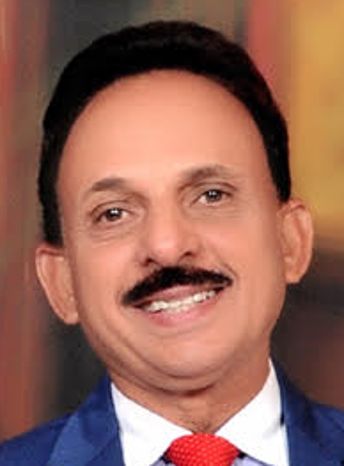
Prof R.K. Uppal
India’s doctoral education system stands at a crossroads. It must restore academic credibility, research integrity and intellectual excellence—or risk losing the very purpose for which the PhD was created. Can a country become a global knowledge superpower by producing thousands of PhDs while struggling to ensure that doctoral research contributes meaningfully to society? Can universities claim academic excellence when the pursuit of a research degree is increasingly overshadowed by commercial interests, procedural formalities and the race for qualifications? And how long can India afford to celebrate the expansion of doctoral education while ignoring the questions surrounding its quality, credibility and outcomes? These are uncomfortable questions, but they demand urgent answers. India’s PhD system is facing a crisis that cannot be addressed through cosmetic changes, new regulations or institutional promises. The choice is stark: reform doctoral education from its foundations or allow the credibility of the PhD degree to deteriorate further. The issue is not whether India needs PhDs; it unquestionably does. The real question is whether the country is producing genuine researchers or merely manufacturing academic credentials.
The PhD was designed to represent the highest level of academic achievement, demonstrating a scholar’s ability to identify a significant problem, conduct independent investigation and contribute original knowledge. Unfortunately, in parts of the higher education system, this noble purpose has been diluted. The growing emphasis on enrolment numbers, degree completion and institutional targets risks transforming doctoral education into an administrative exercise rather than an intellectual journey. A degree that once symbolized exceptional scholarship must not become an ordinary certificate acquired through the completion of prescribed formalities.
The first casualty of this distorted approach is research quality. A doctoral thesis should challenge existing knowledge, introduce fresh perspectives or offer practical solutions to complex problems. Yet the value of research cannot be measured merely by the number of pages, publications or certificates accumulated by a scholar. Repetitive topics, superficial investigations, weak methodologies and limited originality undermine the very foundation of doctoral education. When research becomes a means of fulfilling institutional requirements rather than pursuing intellectual discovery, the PhD loses its academic significance.
The problem is further complicated by the commercialization of doctoral programmes. In some institutions, the financial dimensions of research education have overshadowed its academic responsibilities. Excessive fees, inadequate research infrastructure and insufficient scholarly support raise serious concerns about whether the interests of scholars are being adequately protected. A PhD must never become a commodity in which the ability to pay determines access while research excellence becomes secondary. Universities are centers of knowledge creation, not commercial establishments whose success can be measured exclusively through enrolment and revenue.
Equally troubling is the quality of research supervision. A doctoral supervisor is not merely an administrative authority who approves forms, signs progress reports and certifies completion. A supervisor is a mentor, intellectual guide and guardian of academic integrity. The relationship between scholar and supervisor should be founded on trust, professional ethics, regular engagement and rigorous academic scrutiny. Where supervision becomes indifferent, authoritarian or transactional, the scholar’s intellectual development suffers. Universities must establish transparent mechanisms for evaluating supervisors, monitoring scholar progress and addressing grievances without fear of retaliation.
The crisis also demands a serious examination of academic integrity. Plagiarism, manipulated data, questionable publications and the misuse of artificial intelligence can damage the credibility of doctoral research. Technology itself is not the enemy; irresponsible academic practices are. Artificial intelligence can assist researchers in organizing information, improving language and exploring ideas, but it cannot replace independent thinking, intellectual honesty or original contribution. Universities must develop clear policies that distinguish legitimate technological assistance from academic misconduct. The objective should be to strengthen research ethics rather than create an atmosphere of suspicion.
“The choice is not between producing PhDs and shutting down doctoral education. It is between preserving a flawed system and rebuilding it with courage, honesty and vision. India does not need to close its doors to research; it needs to close the doors to mediocrity, commercial exploitation and academic dishonesty. Reform must begin now—before the PhD degree loses the credibility that generations of scholars have worked so hard to establish.”
Another fundamental weakness is the disconnect between doctoral education and career opportunities. Thousands of scholars invest years in research, often with considerable financial and personal sacrifice, only to encounter limited academic employment and uncertain professional prospects. A PhD should develop transferable capabilities, including critical thinking, analytical reasoning, problem-solving, communication and innovation. These competencies have value beyond university classrooms. Doctoral programmes must therefore establish stronger connections with industry, government, research institutions and emerging sectors of the economy. Producing scholars without preparing them for meaningful professional engagement is an incomplete educational responsibility.
India needs a fundamentally different model of doctoral education—one that places quality above quantity and intellectual contribution above administrative compliance. Admission should be based on research aptitude, academic preparation and a clearly articulated research interest. Every scholar should receive structured methodological training, regular mentoring and access to adequate research resources. Research proposals must undergo rigorous evaluation, while progress reviews should assess genuine intellectual development rather than the completion of paperwork.
Universities should also introduce independent thesis assessment, transparent evaluation procedures and stronger accountability for supervisors and institutions. Interdisciplinary research must be encouraged to address contemporary challenges in areas such as climate change, artificial intelligence, public health, financial inclusion, education and sustainable development. Doctoral scholars should be evaluated not simply by the number of publications they produce but by the originality, methodological soundness, relevance and integrity of their work.
Most importantly, India must abandon the dangerous assumption that more PhDs automatically translate into more knowledge. Research excellence requires time, resources, intellectual freedom and an institutional culture that rewards questioning rather than conformity. A smaller number of rigorously trained scholars making meaningful contributions can serve the nation better than a much larger number of researchers whose work adds little to existing knowledge.
The responsibility for reform rests not only with regulatory bodies but also with university leaders, academic administrators, supervisors and scholars themselves. Regulations can establish minimum standards, but only a culture of integrity can sustain excellence. Institutions must demonstrate that research quality matters more than enrolment targets, that mentorship matters more than hierarchy, and that intellectual contribution matters more than the ceremonial award of a degree.
India’s aspiration to become a global research leader cannot be achieved through slogans or statistics alone. It requires universities that encourage curiosity, protect academic freedom and demand uncompromising standards of scholarship. The PhD must once again become a symbol of intellectual distinction rather than a routine academic milestone.
The choice is not between producing PhDs and shutting down doctoral education. It is between preserving a flawed system and rebuilding it with courage, honesty and vision. India does not need to close its doors to research; it needs to close the doors to mediocrity, commercial exploitation and academic dishonesty. Reform must begin now—before the PhD degree loses the credibility that generations of scholars have worked so hard to establish.
(The author is Principal, Guru Gobind Singh College of Management and Technology, Gidderbaha, Punjab. The views, opinions and conclusions expressed in this article are those of the author and aren’t necessarily in accord with the views of “Kashmir Horizon”)
[email protected]