

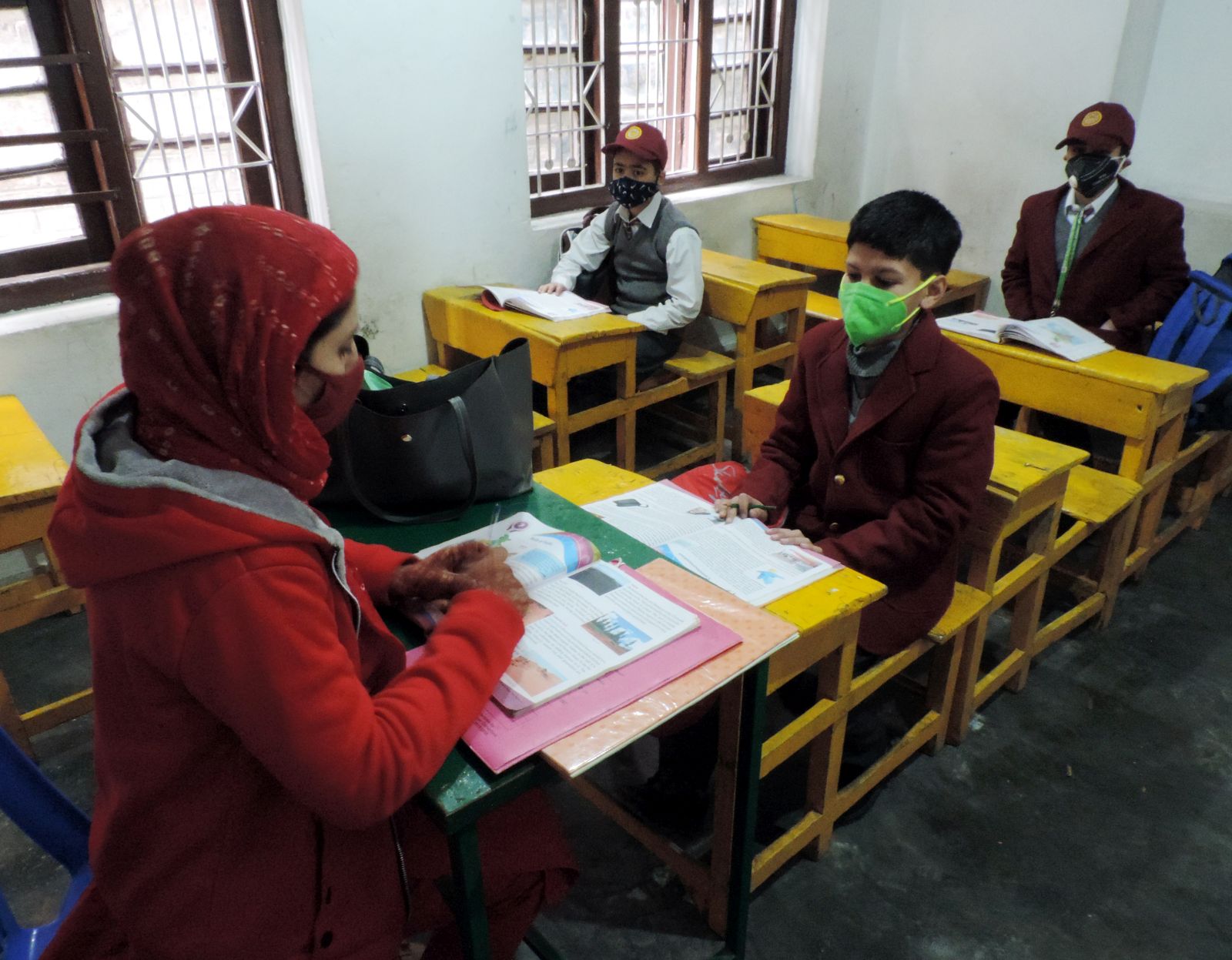
A school should be the safest place for a child, a place where they are accepted, understood, empowered and supported. Unfortunately, most of the educational institutions treat the students who have deviated from the conventional norms with rejection, bullying, and humiliation, which can cause psychological trauma and leave a deep impact on that child’s overall life. The primary goal of both schools and families is the same: the overall betterment of the child. In situations where a student is under negative influence or displaying rebellious behaviour, school authorities and families should work together, hand in hand, to guide the child. However, in many cases, schools treat the families of such students as rivals rather than partners. This approach only deepens the issue. Mental health support must be made mandatory in all educational institutions. Trained counselors should be available to help students process their emotions, experiences, and challenges without fear of judgment or punishment. Recently, a 14-year-old student tragically took his own life. One of the suspected reasons was that he had been consistently humiliated by school authorities for having tattoos. He was labeled a “bad influence” and reportedly suspended from attending the school. Schools are meant to be nurturing spaces that guide students through their formative years, not places of control, intimidation, or exclusion. Sadly, many institutions confuse discipline with control. Discipline should be about care and guidance, not punishment and fear. Every child has a reason behind their behaviour. They deserve a safe, judgment-free space within the school system where they can express themselves and be heard.
Schools must adopt policies that prioritise empathy, inclusion, a non-judgemental attitude, and the overall mental health of the children. There is an urgent need for trained counselors in every school and anti-bullying protocols that hold both staff and students accountable. Instead of isolating or labeling students who behave differently or rebelliously, schools should offer them understanding, space to communicate, and opportunities to change their behaviour. Every student deserves a safe and supportive environment where they are nurtured, not shamed. We call upon educational policymakers, school boards, and administrators to implement these changes.
When a child expresses themselves in unconventional ways, through appearance, clothing, or attitude, they should not be met with moral judgments or social exclusion. Students are often suspended, labeled as “bad influences,” or treated like criminals for actions that are neither crimes nor threats, such as having unique hairstyles or body art. This practice causes lasting damage: emotional distress, shame, low self-esteem, loss of academic interest, and social withdrawal. Adolescence is a critical stage for identity formation. At this age, children are discovering who they are. When they face harsh backlash from authority figures and peers, the impact can be devastating, often pushing them toward isolation, depression, or rebellion. It is time our educational institutions reevaluate their approach to student well-being and discipline. Schools must adopt policies that prioritise empathy, inclusion, a non-judgemental attitude, and the overall mental health of the children. There is an urgent need for trained counselors in every school and anti-bullying protocols that hold both staff and students accountable. Instead of isolating or labeling students who behave differently or rebelliously, schools should offer them understanding, space to communicate, and opportunities to change their behaviour. Every student deserves a safe and supportive environment where they are nurtured, not shamed. We call upon educational policymakers, school boards, and administrators to implement these changes.
(The author is a student at the PG Department of Social Work, Kashmir University. The views, opinions and conclusions expressed in this article are those of the author and aren’t necessarily in accord with the views of “Kashmir Horizon”)







