“Initiatives launched by Chief Minister Omar Abdullah this week—HADP and the e-SEHAT App—are part of a broader vision to modernize Jammu & Kashmir’s governance and improve the quality of life for its citizens. By focusing on innovation and technology, the government is creating a sustainable framework for growth in both agriculture and healthcare. These initiatives are not just about improving services; they are about empowering the people of Jammu & Kashmir to take charge of their future. As Jammu & Kashmir moves toward its goal of becoming a Rs 100,000 crore agri-economy by 2030, and as the e-SEHAT App takes healthcare into the digital age, it is clear that the region is on the brink of a major transformation.”
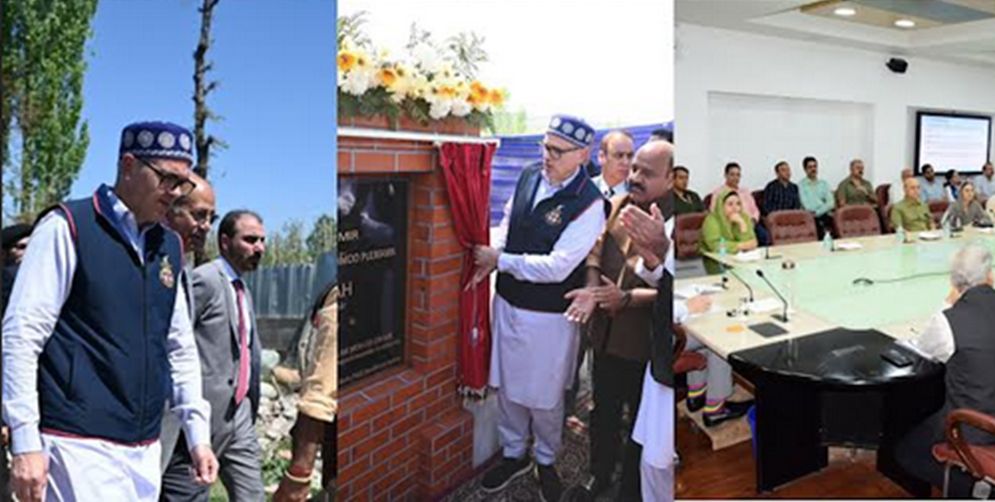
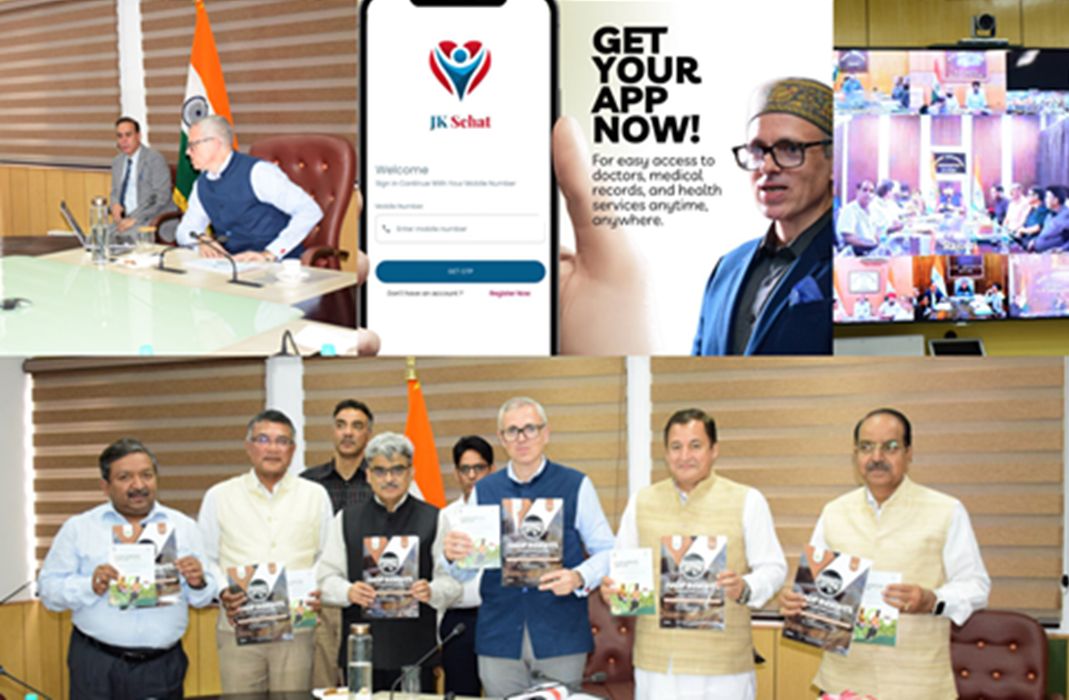
The Jammu & Kashmir Government has embarked on a transformative journey, leveraging technology and innovation to create a robust infrastructure that can meet the region’s agricultural and healthcare needs. This vision was made clear when Chief Minister Omar Abdullah chaired a high-level review meeting at the Civil Secretariat, focusing on the implementation of the Holistic Agriculture Development Programme (HADP) and the launch of the e-SEHAT App. Both initiatives are reflective of Abdullah’s broader plan to modernize governance and empower citizens, especially those in rural areas, through innovative digital solutions. The HADP is set to revolutionize Jammu & Kashmir’s agricultural sector by shifting it from a low-growth, subsistence-based model to a commercially-driven, sustainable system. Meanwhile, the e-SEHAT App seeks to streamline healthcare delivery by making services more accessible, efficient, and transparent. These two initiatives not only align with the government’s broader goals of economic growth and improved public services but also underscore the role of digital innovation in redefining governance.
Holistic Agriculture Development Program (HADP): A Vision for Agricultural Transformation: The Holistic Agriculture Development Programme (HADP) represents a bold step toward the transformation of Jammu & Kashmir’s agricultural economy. Under the leadership of Chief Minister Omar Abdullah, the programme aims to build a sustainable agri-economy worth Rs 100,000 crore by 2030. This vision involves a shift from traditional farming methods to more modern, data-driven practices that can increase productivity, improve incomes, and ensure long-term sustainability. During the review meeting, Omar Abdullah articulated the overarching goals of HADP, emphasizing that it is not just a policy intervention but a movement designed to empower farmers. The Chief Minister was particularly focused on the role that digital technologies play in this transformation. The programme incorporates AI-based advisory tools, real-time monitoring applications, and a range of digital platforms that will help farmers improve their agricultural practices. By making agriculture smarter, data-driven, and future-ready, the government aims to provide farmers with the tools and knowledge they need to thrive in a rapidly changing world. The integration of digital technologies is central to this transformation. For example, the Kisan Saathi Portal, developed under HADP, serves as a direct link between farmers and various government services, such as subsidies, agricultural information, and financial support. Other digital tools, such as the AI-based Credit Scheme Advisor and the Online DPR Generator Tool, are designed to enhance decision-making, making the process of accessing resources more efficient and transparent.
Empowering Progressive Farmers: One of the most significant aspects of HADP is its focus on progressive farmers, who are considered the driving force behind agricultural transformation in Jammu & Kashmir. CM Omar Abdullah made it clear during the review meeting that these farmers are not only adopting innovative practices but also serving as role models for their peers. Their stories of success inspire confidence in the programme and reinforce the belief that change is happening at the grassroots level. These farmers are pivotal in the success of the HADP, as they are the first to adopt new technologies and practices. By working closely with them, the government hopes to create a ripple effect throughout the farming community, with more farmers following in their footsteps. Abdullah’s recognition of their contributions highlights the importance of collaboration between the government and the farming community in achieving long-term agricultural goals. Progressive farmers are also benefiting from the government’s emphasis on creating Farmer Producer Organizations (FPOs), which aim to increase collective bargaining power and enhance market access. These organizations help farmers pool resources, share knowledge, and collectively address common challenges. To date, 300 FPOs have been established across Jammu & Kashmir, and these organizations are expected to grow in number and influence in the coming years.
Key Achievements Of HADP: Since its inception in April 2023, HADP has achieved several notable milestones that underscore its potential to transform Jammu & Kashmir’s agricultural sector. Among these achievements is the development and multiplication of high-quality seeds, which will help increase crop yields and reduce dependence on external seed suppliers. The promotion of oilseeds and cash crops has also been a priority, with farmers receiving guidance on how to diversify their crops to maximize profits. Technological advancements in sericulture have been another key achievement under the programme. Sericulture, or silk farming, is a traditional industry in Jammu & Kashmir, and through HADP, the government has introduced modern techniques that increase both the quality and quantity of silk production. This, in turn, has the potential to boost the income of sericulture farmers, many of whom rely on this industry for their livelihoods. In addition to these efforts, the establishment of 300 FPOs and the launch of the JK Soil & Land Resource Information System are further testament to the success of HADP. The latter is a critical tool for improving soil health and ensuring that farmers have the information they need to make informed decisions about land use and crop selection. The programme has also made significant investments in research and innovation, with Rs 1000 crore allocated for these efforts. This investment is crucial for developing new technologies and practices that can drive agricultural growth in the region. By focusing on research and innovation, the government aims to create a future-proof agricultural sector that is resilient to challenges such as climate change and market fluctuations.
Three Phases Of HADP Implementation: The implementation of the Holistic Agriculture Development Programme is divided into three distinct phases: Phase-I (Outreach and Awareness), Phase-II (Onboarding and Seeding), and Phase-III (Grounding, Monitoring, and Evaluation). Each phase is designed to ensure that the programme’s objectives are met systematically and efficiently. Phase-I focuses on outreach and awareness, with the government working to inform farmers about the benefits of HADP and the resources available to them. This phase has seen the launch of several awareness campaigns, which have helped spread the word about the programme’s potential impact on farmers’ livelihoods. Phase-II is centered around onboarding and seeding, where farmers are introduced to the tools and technologies they need to implement modern farming practices. This phase involves the distribution of high-quality seeds, training on the use of new technologies, and the creation of support networks for farmers. Phase-III involves grounding, monitoring, and evaluation, with ongoing assessments to ensure that the programme is achieving its goals. This phase will also include monitoring the impact of digital platforms such as the Kisan Saathi Portal, the AI-based Credit Scheme Advisor, and the Online DPR Generator Tool, ensuring that farmers have access to the resources and support they need throughout the implementation process.
Digital Platforms; Enhancing Transparency, Efficiency: One of the most innovative aspects of HADP is its reliance on digital platforms to improve transparency, efficiency, and farmer engagement. These platforms are designed to streamline the flow of information between the government and farmers, making it easier for farmers to access resources, track their progress, and stay informed about developments in the agricultural sector. The launch of several digital platforms during the meeting further exemplified the government’s commitment to innovation. The Credit Scheme Advisor App, for instance, provides farmers with personalized advice on credit schemes and helps them navigate the complex process of applying for financial support. The Online DPR Generator App allows farmers to generate Detailed Project Reports (DPRs) for their agricultural projects, making it easier for them to access funding and resources. Meanwhile, the KS Sathi Output Tracking App helps farmers track the progress of their agricultural projects, ensuring that they stay on track to meet their goals. The introduction of these tools is part of a broader effort to make the implementation of agricultural projects more transparent, efficient, and accessible. By digitizing key processes and making data readily available, the government is empowering farmers to take greater control of their agricultural practices.
The e-SEHAT App; Revolutionizing Healthcare in J&K: In addition to his focus on agriculture, Chief Minister Omar Abdullah also launched the e-SEHAT App, a comprehensive digital solution aimed at improving healthcare access and delivery in Jammu & Kashmir. The app is designed to serve a wide range of users, including the general public, patients, healthcare professionals, and medical students. The e-SEHAT App offers a variety of features, such as tele-consultation, appointment booking, health tracking, and AI-powered symptom checking. These features are especially beneficial for people in remote areas, where access to healthcare facilities is often limited. The app also includes a coordination mechanism for patient referrals, helping to streamline the process of transferring patients between hospitals and clinics. For healthcare professionals, the app provides access to Electronic Health Records (EHR), prescription management tools, and lab result integration. It also supports continuing education through academic resources and workshops. The app is designed to strengthen collaboration between healthcare providers, patients, and insurers, improving communication and facilitating access to healthcare services.
“The launch of the Holistic Agriculture Development Programme (HADP) and the e-SEHAT App marks a transformative step in modernizing the agriculture and healthcare sectors in Jammu & Kashmir. These initiatives exemplify the government’s commitment to empowering citizens through technology and innovation, and they provide a comprehensive approach to addressing the challenges faced by farmers and healthcare providers in the region.”
Shaping The Future Of J&K: The initiatives launched by Omar Abdullah this week—HADP and the e-SEHAT App—are part of a broader vision to modernize Jammu & Kashmir’s governance and improve the quality of life for its citizens. By focusing on innovation and technology, the government is creating a sustainable framework for growth in both agriculture and healthcare. These initiatives are not just about improving services; they are about empowering the people of Jammu & Kashmir to take charge of their future. As Jammu & Kashmir moves toward its goal of becoming a Rs 100,000 crore agri-economy by 2030, and as the e-SEHAT App takes healthcare into the digital age, it is clear that the region is on the brink of a major transformation. With continued investment in technology, infrastructure, and human capital, the future of Jammu & Kashmir looks bright. The government’s commitment to these initiatives, along with its focus on transparency, efficiency, and accountability, will ensure that the people of Jammu & Kashmir can benefit from the full potential of these innovations for years to come. In conclusion, the government of Jammu & Kashmir, under the leadership of Omar Abdullah, is charting a new course for the region. Through initiatives like HADP and e-SEHAT, the state is not only addressing the immediate needs of its citizens but also laying the foundation for long-term, sustainable growth.
Kashmir Horizon View: The Holistic Agriculture Development Programme (HADP) and the e-SEHAT App are pioneering initiatives that have the potential to bring about significant transformations in Jammu & Kashmir’s agriculture and healthcare sectors. However, to fully harness their capabilities, several key actions need to be taken to ensure their success and long-term sustainability.
Expanding Digital Infrastructure: One of the primary challenges in implementing these initiatives lies in the need for robust digital infrastructure. While both HADP and e-SEHAT rely heavily on digital platforms, ensuring that these technologies are accessible to all, especially in remote and rural areas, is crucial. This will require continued efforts to expand internet connectivity across Jammu & Kashmir. Additionally, there must be a focus on improving technological literacy, ensuring that farmers and healthcare professionals can effectively navigate and utilize these platforms.
Capacity Building, Training: Both initiatives depend heavily on the active engagement and competency of users. As such, regular training and capacity-building programs for farmers and healthcare workers are vital. Workshops, hands-on training sessions, and technical support will be essential to help individuals adapt to the new technologies and methodologies. The government should adopt a continuous learning model, providing ongoing support to users so they can stay up-to-date with the evolving features of the apps and platforms. The launch of the Holistic Agriculture Development Programme (HADP) and the e-SEHAT App marks a transformative step in modernizing the agriculture and healthcare sectors in Jammu & Kashmir. These initiatives exemplify the government’s commitment to empowering citizens through technology and innovation, and they provide a comprehensive approach to addressing the challenges faced by farmers and healthcare providers in the region. HADP offers a blueprint for transitioning Jammu & Kashmir from a low-growth, subsistence-based agriculture model to a vibrant, commercially-driven economy. It will help farmers access better tools, knowledge, and markets, ultimately contributing to the goal of building a Rs 100,000 crore agri-economy by 2030.
(In commitment to continuous improvement the “Team Kashmir Horizon” invites it’s valuable readers to share their valuable feedback and suggestions with the “Team Kashmir Horizon”. The insights of readers will surely play a vital role in improving the content quality of “Kashmir Horizon” and contribute more for the empowerment of people. Please feel free to reach out to us at editor@ thekashmirhorizon.com. Team “Kashmir Horizon” eagerly anticipates thoughts and ideas of it’s readers, which will help us serve people and even more effectively. The inputs of valuable readers are highly valued as “Kashmir Horizon” strives to provide it’s readers the best possible experience.)