“New law balances the reservation of all 5 communities in the region”

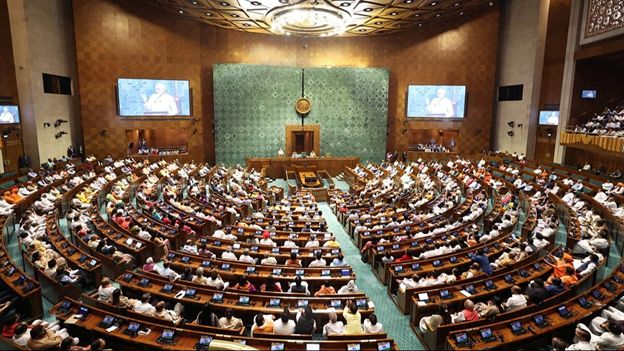
Lok Sabha this week passed the Constitution (Jammu and Kashmir) Scheduled Tribes Order (Amendment) Bill, 2024. This monumental legislation aimed at empowering the Pahari Ethnic Group, Padari Tribes, Koli, and Gadda Brahmin by providing them with Scheduled Tribe status, fulfilling a long-pending demand of these communities. The corridors of power buzzed with anticipation as lawmakers debated the implications and significance of this transformative Bill. For the marginalized communities of Pahari Ethnic Group, Padari Tribes, Koli, and Gadda Brahmin, the prospect of being officially recognized as Scheduled Tribes held promises of social upliftment and empowerment. The passage of the Bill marked a pivotal moment in the political landscape of Jammu and Kashmir, a region long marked by historical complexities and constitutional intricacies. The government’s commitment to inclusive development and the mantra of “Sabka Sath, Sabka Vishwas” echoed through the parliamentary chambers. Under the leadership of Prime Minister Narendra Modi, the government embarked on a journey to bring about progressive and affirmative changes in Jammu and Kashmir. The Constitution (Jammu and Kashmir) Scheduled Tribes Order (Amendment) Bill, 2024 was one such significant step in this direction, reflecting the government’s dedication to fostering a more inclusive and equitable society. The newly amended Bill assured existing Scheduled Tribe communities, such as Gujjars and Bakarwals, that their current level of reservations would remain unaffected. Addressing concerns, lawmakers emphasized that the inclusion of Pahari Ethnic Group, Padari Tribes, Koli, and Gadda Brahmin in the Scheduled Tribes list would not diminish the rights and privileges enjoyed by the existing communities. The government’s commitment to ensuring a seamless transition was evident in its approach to reservations. The Bill outlined a careful strategy to provide reservations to the newly listed Scheduled Tribes in a manner that would not infringe upon the rights of the communities already enlisted. This thoughtful approach aimed to strike a balance, ensuring that all Scheduled Tribes, both existing and newly recognized, received the support and opportunities they deserved. Post the parliamentary approval, the responsibility shifted to the Government of the Union Territory of Jammu and Kashmir to issue necessary notifications on reservation. This procedural step was crucial in guaranteeing that the communities already on the Scheduled Tribes list continued to receive the same level of reservation, unaffected by the inclusion of the new groups. The atmosphere in Jammu and Kashmir resonated with hope and optimism as news of the Bill’s passage spread across the region. For the Pahari Ethnic Group, Padari Tribes, Koli, and Gadda Brahmin, this was not just a legal amendment; it was a promise of a brighter future and a more inclusive society.
“Union Home Minister Amit Shah, in a significant move, fulfilled a promise made at his first-ever public rally in Rajouri in 2022 by securing Scheduled Tribe (ST) status for the Paharis. The assurance was accompanied by a commitment to the Gujjars and Bakerwals that their existing reservations would remain unaffected.”
Prime Minister Narendra Modi’s vision for Jammu and Kashmir went beyond legislative changes; it encompassed a holistic approach to development. The government aimed to address historical injustices and disparities by acknowledging and uplifting the marginalized communities. The passage of the Constitution (Jammu and Kashmir) Scheduled Tribes Order (Amendment) Bill, 2024 was emblematic of this commitment. As the nation celebrated this historic milestone, voices from various quarters hailed the government’s dedication to social justice and equal opportunity. Activists, community leaders, and citizens expressed their support for a more inclusive Jammu and Kashmir, where every community, regardless of their background, could thrive and contribute to the region’s progress. The transformative impact of the Bill extended beyond the boundaries of Jammu and Kashmir, serving as a testament to the government’s larger agenda of fostering unity and inclusivity across the nation. The passage of the Bill exemplified the government’s determination to bridge gaps, address historical grievances, and build a more equitable society. Earlier Union Home Minister Amit Shah, in a significant move, fulfilled a promise made at his first-ever public rally in Rajouri in 2022 by securing Scheduled Tribe (ST) status for the Paharis. The assurance was accompanied by a commitment to the Gujjars and Bakerwals that their existing reservations would remain unaffected. Out of the 9 ST-reserved Assembly seats, 6 are located in the Jammu province, with 5 in Rajouri and Poonch and 1 in Reasi. In the Kashmir region, 3 seats are reserved, with 1 each in Anantnag, Ganderbal, and Bandipora districts. The Anantnag Lok Sabha seat now encompasses almost the entire Rajouri and Poonch districts. Lieutenant Governor Manoj Sinha also welcomed passing of the Bill, emphasizing that the inclusion of new communities would not compromise the existing level of reservations for communities like Gujjars and Bakerwals. In his appeal, he urged community elders to play a crucial role in countering any misinformation and ensuring a clear understanding of the government’s commitment to maintaining the current reservation framework.
“Recognition as Scheduled Tribes contributes to the preservation of the unique cultures, traditions, and practices of the Pahari Ethnic Group, Padari Tribes, Koli, and Gadda Brahmin. This helps safeguard their cultural heritage for future generations. The government, in its commitment to inclusive development, may allocate resources and funds for specific infrastructure projects aimed at benefiting the newly recognized Scheduled Tribes.”
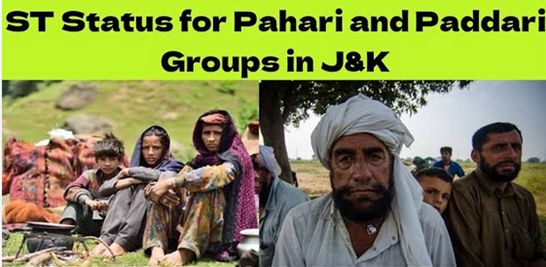
Kashmir Horizon View: The Constitution (Jammu and Kashmir) Scheduled Tribes Order (Amendment) Bill, 2024, and its subsequent enactment, bring about several benefits for the communities included in the newly recognized Scheduled Tribes list in Jammu and Kashmir. These benefits contribute to the overall development, empowerment, and inclusivity of the Pahari Ethnic Group, Padari Tribes, Koli, and Gadda Brahmin. Here are some of the key advantages: The foremost benefit is the official recognition of the Pahari Ethnic Group, Padari Tribes, Koli, and Gadda Brahmin as Scheduled Tribes. This recognition acknowledges their distinct identity and cultural heritage, providing a sense of belonging and pride. Inclusion in the Scheduled Tribes list grants these communities access to affirmative action measures, including reservations in education, employment, and other public services. This ensures that they have equal opportunities and a level playing field in various spheres of life. The reservations provided through this amendment aim to uplift socially and economically marginalized communities. Access to education and employment opportunities can break the cycle of poverty, leading to improved living standards and enhanced socio-economic conditions. With Scheduled Tribe status, these communities gain the opportunity for increased political representation. This can empower them to actively participate in the democratic process, ensuring that their voices are heard in decision-making bodies. Recognition as Scheduled Tribes contributes to the preservation of the unique cultures, traditions, and practices of the Pahari Ethnic Group, Padari Tribes, Koli, and Gadda Brahmin. This helps safeguard their cultural heritage for future generations. The government, in its commitment to inclusive development, may allocate resources and funds for specific infrastructure projects aimed at benefiting the newly recognized Scheduled Tribes. This could include investments in healthcare, education, and basic amenities in their areas. The amendment is likely to have a positive impact on the empowerment of women within these communities. Reservations and affirmative action measures often extend to women, ensuring their participation in education and employment opportunities. The government may initiate targeted community development programs to address specific challenges faced by the Pahari Ethnic Group, Padari Tribes, Koli, and Gadda Brahmin. These programs could focus on skill development, healthcare, and other aspects to enhance overall well-being. The inclusion of these communities as Scheduled Tribes fosters a sense of harmony and inclusivity within the larger societal framework. It sends a positive message about the government’s commitment to addressing historical injustices and promoting social cohesion.
( In commitment to continuous improvement the “Team Kashmir Horizon” invites it’s valuable readers to share their valuable feedback and suggestions with the “Team Kashmir Horizon”. The insights of readers will surely play a vital role in improving the content quality of “Kashmir Horizon” and contribute more for the empowerment of people. Please feel free to reach out to us at editor@ thekashmirhorizon.com. Team “Kashmir Horizon” eagerly anticipates thoughts and ideas of it’s readers, which will help us serve people and even more effectively. The inputs of valuable readers are highly valued as “Kashmir Horizon” strives to provide it’s readers the best possible experience. Thank you for being a part of the reader community!)