“The launch of the “Drug-Free J&K” campaign by Lieutenant Governor Manoj Sinha from Jammu’s MA Stadium marks a decisive shift towards a people-driven fight against the growing drug menace. Framed as a 100-day mass movement under NashaMukt Jammu Kashmir Abhiyaan, the initiative combines awareness, youth engagement, strict enforcement, and rehabilitation to tackle the crisis holistically.”
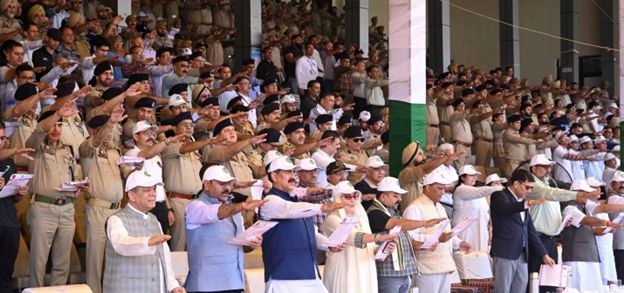
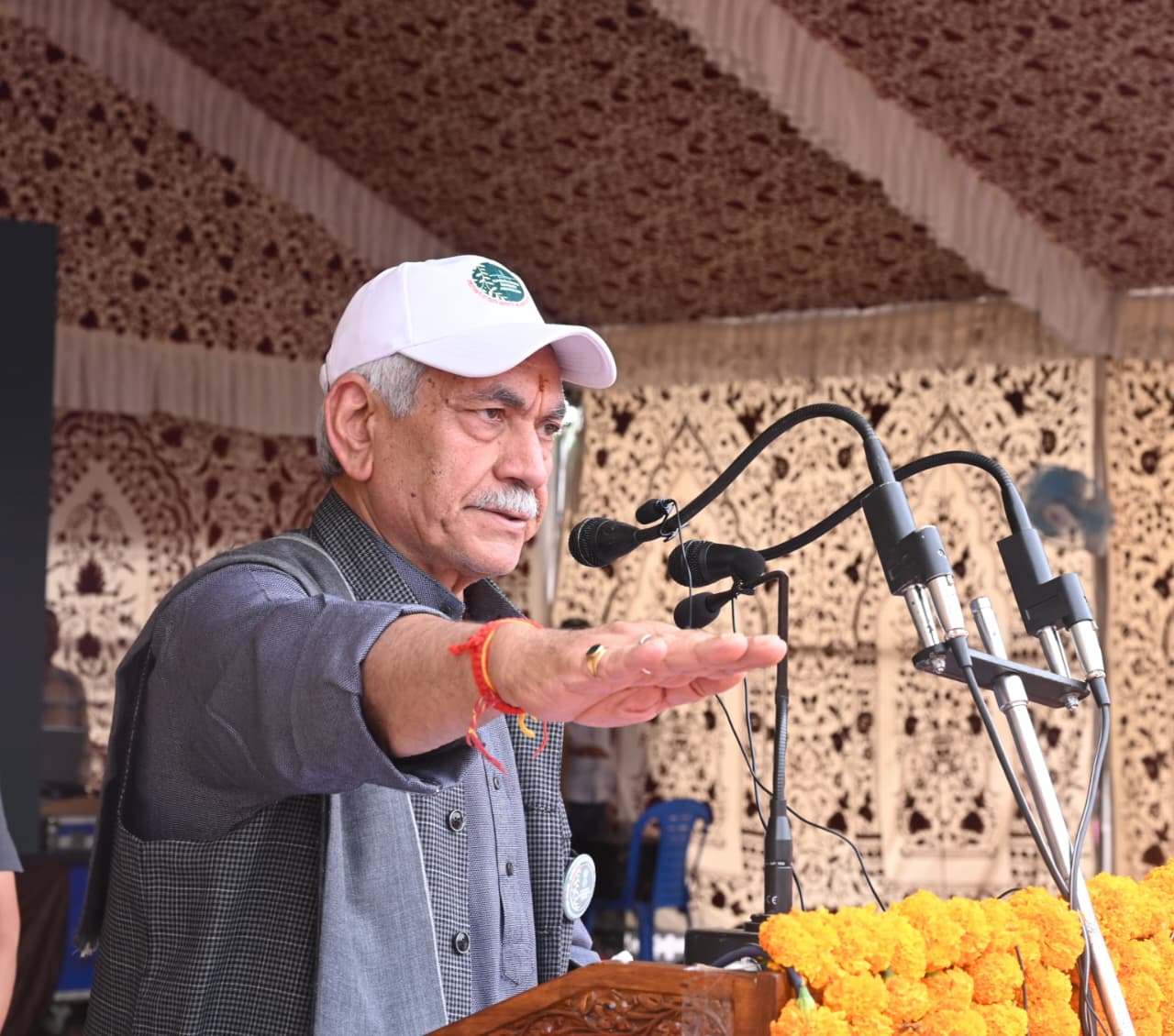
The launch of a 100-day intensive campaign for a “Drug-Free Jammu and Kashmir” by Lieutenant Governor Manoj Sinha from the historic MA Stadium in Jammu marks one of the most ambitious socio-administrative interventions undertaken in the Union Territory in recent years. Framed not merely as a government initiative but as a “people’s movement,” the campaign seeks to address what the administration has described as one of the gravest challenges confronting J&K—drug abuse and its cascading social, economic, and security implications. The scale and symbolism of the launch—thousands participating in a padyatra from MA Stadium to Parade Ground—was designed to signal urgency, collective ownership, and a shift from fragmented responses to a structured, mission-mode approach. At its core, the campaign under NashaMukt Jammu Kashmir Abhiyaan attempts to integrate enforcement, awareness, rehabilitation, and community participation into a single, time-bound framework.
From Policy To People’s Movement: One of the defining aspects of the initiative is its deliberate positioning as a mass movement rather than a conventional administrative programme. LG Manoj Sinha’s emphasis that the campaign will “reach every village, town, city, home, and heartbeat” reflects an understanding that drug abuse cannot be addressed through policing alone. The six-phase structure—awareness drives, youth-focused events, community engagement, strict enforcement, rehabilitation, and evaluation—indicates a comprehensive strategy. Unlike earlier approaches that often focused disproportionately on law enforcement, this model attempts to balance prevention and cure, combining behavioural change campaigns with institutional action. The administration’s narrative that “statistics show percentages, but behind each case lies a family’s agony” is an attempt to humanise the crisis, thereby mobilising broader societal participation.
The Scale Of The Drug Challenge In J&K: Drug abuse in Jammu and Kashmir has evolved into a complex, multi-layered problem over the past decade. Factors such as unemployment, social stress, exposure to cross-border trafficking networks, and easy availability of synthetic drugs have contributed to rising addiction levels, particularly among youth. Border districts like Rajouri, Poonch, and areas along the Line of Control have been flagged as vulnerable due to cross-border smuggling. The Lieutenant Governor’s assertion that “our neighbour is using drug trafficking to poison our communities” reflects a security-centric dimension to the issue, linking narcotics to broader destabilisation strategies. This framing elevates the anti-drug campaign from a public health issue to a matter of national security, thereby justifying stringent enforcement measures.
Enforcement|A Zero-Tolerance Approach: A key pillar of the campaign is its uncompromising stance against drug traffickers. The administration has announced a series of कठोर measures, including seizure of assets, freezing of bank accounts, revocation of passports, Aadhaar, and driving licences, and issuance of Look Out Circulars against absconders. Such provisions, backed by the NDPS Act, indicate a shift towards financial and systemic disruption of drug networks rather than merely arrest-based policing. By targeting the economic backbone of trafficking, the administration aims to dismantle organised networks rather than addressing only surface-level actors. Early indicators suggest an aggressive start. Within days of the campaign launch, J&K Police registered over 45 FIRs, arrested 63 smugglers, and seized significant quantities of narcotics. The threefold increase in cases compared to previous weeks reflects both intensified enforcement and improved detection mechanisms. However, the success of this approach will depend on sustained action, inter-agency coordination, and judicial follow-through to ensure convictions.
Community, Grassroots Intelligence: Another notable feature is the emphasis on grassroots intelligence networks involving panchayats, mohalla committees, chowkidars, lambardars, and ward surveillance committees. This decentralised approach seeks to transform local communities into active stakeholders in identifying and reporting drug-related activities. In regions where formal surveillance mechanisms are limited, such community-based models can prove effective. However, they also raise concerns about potential misuse, social tensions, and the need for safeguards to prevent false accusations. The administration’s directive for “swift action on complaints” will need to be balanced with due process to maintain public trust.
Prevention, Youth Engagement: The campaign places significant emphasis on prevention, with LG Sinha stating that “prevention is mightier than cure.” This is reflected in plans for anti-drug sports tournaments, debates, quizzes, marathons, and awareness drives across schools and colleges. By targeting youth—the most vulnerable demographic—the campaign seeks to address the root causes of addiction. Initiatives like the Rajouri Premier League and football clubs under the campaign are designed to channel youth energy into constructive activities. Such interventions align with global best practices, which highlight the role of sports, education, and community engagement in reducing substance abuse. However, their long-term impact will depend on continuity beyond the 100-day campaign.
Rehabilitation| Closing The Loop: A critical component of the strategy is rehabilitation. The notification of the Jammu and Kashmir Substance Use Disorder Treatment, Counselling and Rehabilitation Centres Rules, 2026, aims to standardise and regulate rehab facilities. The focus on ensuring that centres are adequately staffed, monitored, and compliant addresses long-standing concerns about unregulated and ineffective rehabilitation services. The administration’s commitment that “no individual faces this battle alone” reflects a shift towards a more compassionate, patient-centric approach. However, scaling rehabilitation services to meet demand remains a challenge, particularly in remote areas.
Data, Monitoring, Accountability: The campaign’s emphasis on weekly audits, feedback mechanisms, and evaluation indicates a results-oriented approach. By tracking metrics such as arrests, rehabilitated individuals, and awareness activities, the administration aims to ensure accountability and course correction. This data-driven model, if implemented effectively, can help identify gaps, allocate resources efficiently, and sustain momentum.
“Going forward, the campaign’s success will hinge on sustained enforcement against traffickers, effective rehabilitation systems, and continuous community involvement. The large-scale padyatra and public participation underline the administration’s push to transform anti-drug efforts into a collective social responsibility rather than a limited government intervention.”
Challenges Ahead: Despite its comprehensive design, the campaign faces several structural challenges. These include:
- Sustainability: Maintaining intensity beyond the 100-day period
- Coordination: Ensuring seamless collaboration across departments
- Judicial Delays: Securing timely convictions in drug-related cases
- Social Stigma: Encouraging families to seek help without fear
- Economic Factors: Addressing unemployment and social vulnerabilities
Additionally, the linkage between drug trafficking and cross-border dynamics adds a layer of complexity that requires coordination with national security agencies.
Rajouri| A Case Study In Implementation: The Lieutenant Governor’s visit to Rajouri highlights the campaign’s focus on vulnerable border districts. By combining enforcement with community mobilisation and youth engagement, the administration is attempting a multi-pronged intervention. The launch of sports initiatives alongside crackdowns reflects a dual strategy—deterrence and diversion. The emphasis on “total rehabilitation” further reinforces the holistic approach.
Way Forward| From Campaign To Culture: For the “Drug-Free J&K” initiative to succeed, it must transition from a time-bound campaign to a sustained social movement. This requires institutionalising best practices, strengthening local capacities, and integrating anti-drug measures into broader development policies. Education, employment generation, mental health support, and community empowerment will be critical in addressing the underlying drivers of addiction. The launch of the Drug-Free J&K campaign by Lieutenant Governor Manoj Sinha represents a decisive and ambitious attempt to confront one of the region’s most pressing challenges. By combining enforcement, prevention, rehabilitation, and community participation, the initiative sets the stage for a comprehensive response to the drug menace. However, its success will ultimately depend on sustained political will, administrative efficiency, and public participation. If effectively implemented, the campaign has the potential not only to curb drug abuse but also to restore social cohesion, protect youth, and redefine the future trajectory of Jammu and Kashmir. As LG Sinha stated, this is not merely a government programme but a collective battle—one that will test the resolve of institutions and society alike.
Kashmir Horizon View: The launch of the “Drug-Free J&K” campaign by Lieutenant Governor Manoj Sinha marks a decisive shift from policy intent to mission-mode execution. However, the real success of this initiative will depend on how effectively the next 100 days translate into long-term structural change. The immediate way forward lies in ensuring that all six phases of the campaign—awareness, youth engagement, community mobilisation, enforcement, rehabilitation, and evaluation—are implemented in a coordinated and time-bound manner, with measurable outcomes at every level. A critical priority will be sustaining the intensity of enforcement without compromising due process. The crackdown on drug smugglers, including asset seizures and financial investigations, must be backed by strong legal follow-up to ensure convictions. At the same time, intelligence networks at the grassroots—panchayats, mohalla committees, and local volunteers—must be strengthened carefully, ensuring accountability and preventing misuse. Effective coordination between police, civil administration, and central agencies will be essential to dismantle organised trafficking networks, especially those linked to cross-border activities. Equally important is the campaign’s prevention strategy. Reaching youth before drugs do, as emphasised by the Lieutenant Governor, must become the cornerstone of the initiative. Schools, colleges, sports institutions, and community platforms should be continuously engaged beyond symbolic events. Anti-drug campaigns must evolve into sustained behavioural change programmes that build awareness, resilience, and life skills among young people. Employment generation, skill development, and mental health support will also play a crucial role in reducing vulnerability to substance abuse. Rehabilitation and reintegration form another vital pillar. The newly notified rules for treatment and counselling centres are a step in the right direction, but their success will depend on strict implementation, regular monitoring, and adequate resource allocation. Expanding access to quality rehabilitation services, particularly in rural and remote areas, is essential. At the same time, efforts must be made to reduce social stigma so that affected individuals and families seek help without fear or hesitation. Monitoring and evaluation mechanisms will be key to maintaining momentum. Weekly audits, data tracking, and feedback systems should not remain procedural exercises but must inform real-time decision-making. Transparent reporting of progress—such as number of arrests, rehabilitated individuals, and awareness activities—can also build public trust and encourage wider participation. In the long run, the campaign must evolve into a sustained social movement embedded in governance and community culture. Drug abuse is not merely a law-and-order issue but a socio-economic and public health challenge that requires continuous engagement. Integrating anti-drug measures with education policies, youth development programmes, and community initiatives will help institutionalise the gains achieved during the campaign. In conclusion, the “Drug-Free J&K” mission represents a bold and comprehensive attempt to confront a deep-rooted crisis. Its success will depend on consistency, collaboration, and collective resolve. If the administration, civil society, and citizens work in unison, this campaign has the potential to not only curb drug abuse but also safeguard the future of an entire generation.
(“Team Kashmir Horizon” is committed to continuous improvement and invites feedback and suggestions from readers and its followers on social media sites. Reader insights are considered vital for enhancing content quality and empowering the community. The team encourages open communication and values the thoughts and ideas of its audience, believing that such input will enable them to serve the public more effectively. The initiative aims to ensure that readers have the best possible experience with “Kashmir Horizon”. Interested individuals can reach out to us via email at [email protected].)