“4.45 Cr Persondays Sanctioned to Empower J&K Villages”
Srinagar: In a significant boost to rural employment and livelihood security, the Ministry of Rural Development (MoRD), Government of India, has approved a revised Labour Budget of 4.45 crore persondays for Jammu and Kashmir under the Mahatma Gandhi National Rural Employment Guarantee Scheme (MGNREGA), aligned with the Viksit Bharat–Guarantee for Rozgar and Ajeevika Mission (Gramin) [VB-G RAM G] for the financial year 2025–26. The decision underscores the Centre’s commitment to empowering rural communities, particularly in flood-affected and far-flung areas of the Union Territory.
Rising Demand For Rural Employment: The approval follows a detailed proposal submitted by the Jammu and Kashmir Rural Development Department requesting an upward revision of the Labour Budget to meet the growing demand for wage employment, while simultaneously ensuring that development works continue without disruption. Over the past few years, Jammu and Kashmir has witnessed an increasing need for MGNREGA employment, both as a livelihood safety net and as a mechanism to restore and strengthen rural infrastructure in the aftermath of natural disasters.
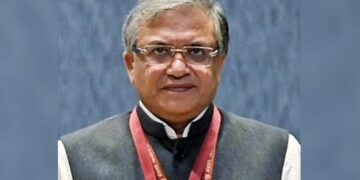
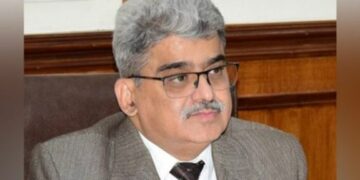
Empowered Committee Reviews Proposal: In this context, the MoRD convened a meeting of the Empowered Committee, chaired by Secretary, Rural Development, Shailesh Kumar Singh, through virtual mode. The meeting was attended by senior officials including Rohini R. Bhajibhakare, Joint Secretary, MGNREGS; Mohammad Aijaz Asad, Secretary, Rural Development and Panchayati Raj (RD&PR); and Waseem Raja, Additional Secretary, RD&PR. The Committee examined the proposal in detail, taking into account employment trends, post-flood recovery requirements, and the need for uninterrupted implementation of MGNREGA works across all districts.
Focus On Flood-Affected Areas: The revised Labour Budget is expected to strengthen rural livelihoods, ensure timely wage payments, and facilitate smooth execution of both ongoing and new development works. Significantly, the Ministry has sanctioned an additional 50 days of employment for 1,962 flood-affected Gram Panchayats, providing critical livelihood support to households affected by recent floods. This move reflects a proactive approach to mitigating disaster-induced economic shocks while sustaining rural employment.
Data-Driven Budget Revision: An official analysis indicates that average annual employment generated over the last five financial years stood at 381 lakh persondays. A comparative assessment of employment during the last four months of previous years against anticipated demand for the remaining months of FY 2025–26 highlighted a requirement of nearly 195 lakh persondays, prompting the upward revision. Consequently, the Labour Budget has been increased from 250 lakh persondays to 445 lakh persondays, with current achievements already at 287 lakh persondays.
Alignment with Gram Panchayat Development Plans: The approved Labour Budget aligns with Gram Panchayat Development Plans (GPDPs) and has been uploaded on NREGAsoft prior to the commencement of the financial year. This ensures that projects are well-planned, transparent, and targeted toward community-centric development. According to Secretary, RDD, Mohammad Aijaz Asad, a total of 2.24 lakh works have been identified under the Annual Action Plan, including special restoration plans for assets damaged during recent floods. Over 60% of these projects, in terms of cost, relate to agriculture and allied sectors, aimed at bolstering rural livelihoods and creating durable community assets.
UT Convergence Plan Enhances Impact: In addition to core MGNREGA works, the Union Territory has implemented an UT Convergence Plan, which identifies 8,239 projects involving coordination with 19 departments and allied rural development schemes. This holistic approach ensures optimal utilisation of resources, encourages cross-departmental collaboration, and facilitates integrated development across rural regions.
Wage Payments, Implementation Efficiency : The revised Labour Budget is particularly important for ensuring adequate fund flow under the wage component, a critical factor for sustaining rural employment and preventing delays in wage payments. Aijaz Asad emphasised that this move would enable smooth, transparent, and effective implementation of MGNREGA (VB-G RAM G) across Jammu and Kashmir, reinforcing the scheme’s role as a cornerstone of rural economic security.
Strategic Response To Challenges : Analysts note that the revised allocation is a strategic response to both structural and situational challenges. Flood-affected areas of Jammu and Kashmir have long struggled with livelihood insecurity, exacerbated by geographical remoteness and infrastructural constraints. By enhancing the Labour Budget and extending employment days, the government aims to address immediate economic needs while simultaneously fostering long-term development and resilience.
Emphasis On Agriculture, Rural Assets: The focus on agriculture and allied sectors underscores the scheme’s potential to enhance rural productivity, strengthen food security, and create sustainable assets that benefit communities for years to come. The integration of MGNREGA with other rural development schemes through the UT Convergence Plan ensures that the impact of public investment is maximised, leveraging synergies across departments for greater efficiency and outcome-oriented results.
Data-Driven, Proactive Approach: The revision also reflects a data-driven approach, where past trends and anticipated demand guide allocation decisions. This not only optimises resource utilisation but also allows authorities to proactively plan for employment peaks, particularly in regions prone to disasters or seasonal unemployment.
Alignment with Viksit Bharat Vision: From a policy perspective, the enhancement of the Labour Budget aligns with broader national initiatives under Viksit Bharat @2047, linking rural employment, skill development, and livelihood security with India’s long-term development vision. By positioning MGNREGA as a dual tool for both social protection and asset creation, the government reinforces its commitment to inclusive and equitable growth in Union Territories like Jammu and Kashmir.
Community Empowerment Through Panchayats: The scheme also contributes to community empowerment, as local Panchayats oversee project implementation, ensuring that the benefits of employment and infrastructure development are closely aligned with local priorities. By engaging residents directly, MGNREGA strengthens governance at the grassroots level, encourages participatory planning, and nurtures accountability among implementing agencies.
Social Impact, Stability: In addition to economic benefits, the scheme plays a social and cultural role. Employment opportunities under MGNREGA reduce rural distress migration, allowing communities to remain cohesive and resilient. By focusing on flood-affected and vulnerable areas, the government is also addressing the social vulnerability that often accompanies natural disasters, contributing to more stable and self-reliant rural societies.
Ensuring Timely Wage Payments: Officials emphasise that timely wage payments and project completion are critical for maintaining public confidence in MGNREGA. The revised Labour Budget, coupled with proactive monitoring and administrative oversight, seeks to ensure that no household is left without access to the employment guarantee, particularly during periods of heightened demand following floods or other shocks.
Boost To Economic Activity, Rural Development: As the financial year progresses, close attention will be paid to the implementation of these expanded provisions. With 4.45 crore persondays of employment now sanctioned, Jammu and Kashmir is poised to witness not only enhanced economic activity but also the creation of durable rural assets that will support sustainable livelihoods. The combination of wage security, skill development, and asset creation reflects a holistic approach to rural development.
Kashmir Horizon View: The revised Labour Budget under MGNREGA for Jammu and Kashmir represents a comprehensive strategy to enhance livelihood security, foster inclusive growth, and strengthen rural infrastructure, particularly in vulnerable areas. By integrating disaster response, employment generation, and community-driven development, the scheme reflects the government’s commitment to empowering rural populations and ensuring that the fruits of development reach every corner of the Union Territory. With a strong focus on transparency, accountability, and convergence across departments, the enhanced Labour Budget under VB-G RAM G is expected to deliver substantive social, economic, and developmental outcomes, laying the groundwork for a resilient and self-reliant rural Jammu and Kashmir.