

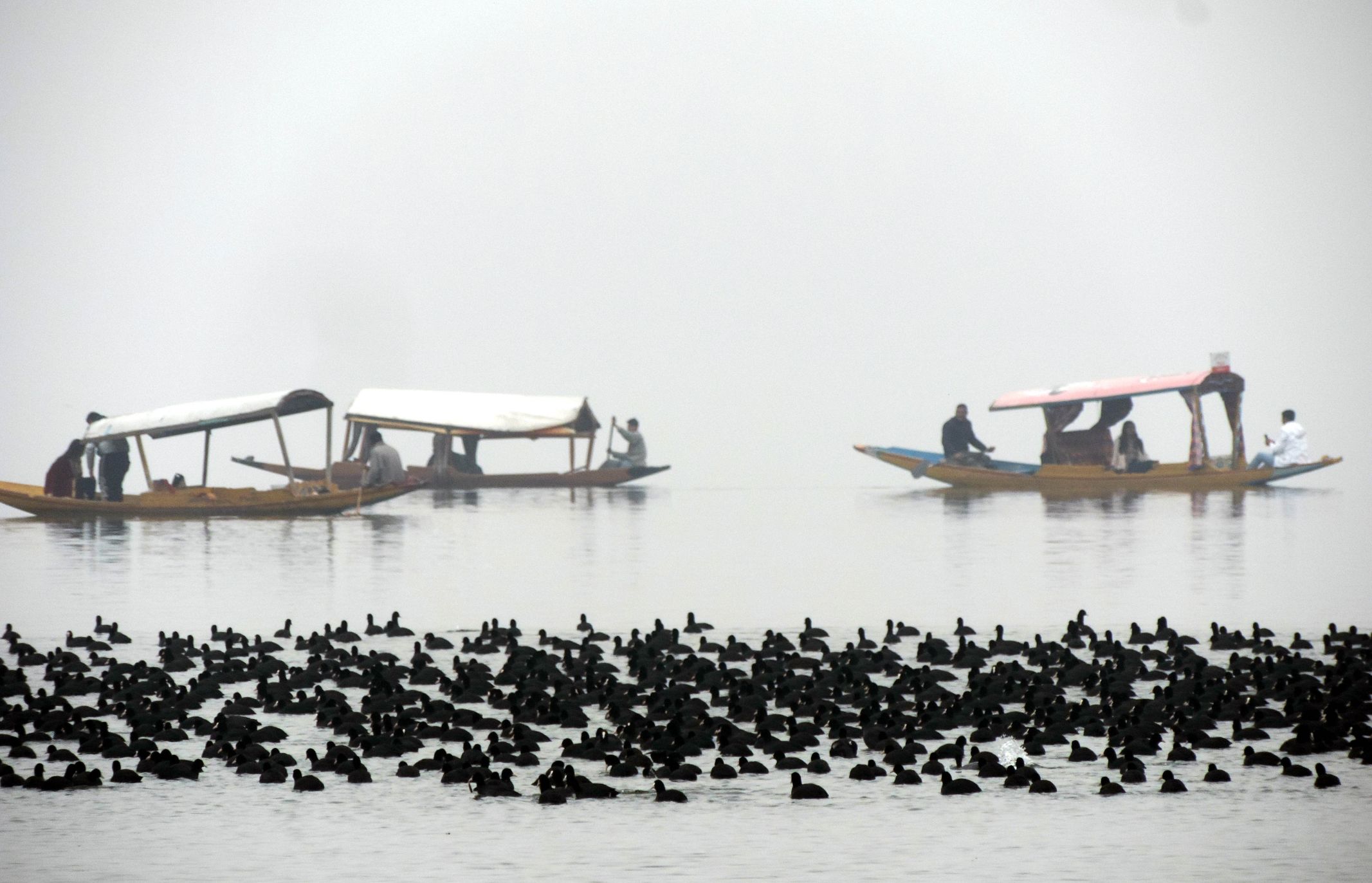
Across the globe, skies that once echoed with the cheerful songs of birds are growing eerily silent. The gradual disappearance of birds has become one of the most alarming signs of the ecological imbalance created by modern society. While industrial advancement and urban expansion have transformed human life, they have come at a devastating cost to wildlife—particularly birds. According to recent research by the International Union for Conservation of Nature (IUCN), more than 1,400 bird species are currently at risk of extinction. This decline is not just about the loss of individual species but reflects a larger, more dangerous trend that threatens entire ecosystems. Birds play a vital role in pollination, pest control, and seed dispersal. Their extinction would affect biodiversity, agriculture, and even the stability of human food systems.
Habitat Loss;The Leading Culprit: The number one reason behind the extinction of birds today is habitat loss. As cities expand and rural lands are converted into commercial or residential zones, natural habitats are destroyed at an unprecedented rate. Forests are being cut down for timber or to make way for highways, dams, and buildings. Wetlands—crucial breeding grounds for many bird species—are being drained to facilitate agriculture or construction. When these habitats are lost, birds are forced to move into less suitable areas, where they struggle to find food, nesting sites, and safety from predators. Many species simply cannot adapt to such rapid change and slowly vanish.
Pollution And Pesticides; Silent Killers: Modern agriculture relies heavily on chemical fertilizers and pesticides. These substances not only reduce the insect populations that many birds feed on but also poison birds directly through the food chain. Neonicotinoids, a class of insecticides widely used around the world, have been linked to significant bird population declines. Air and water pollution add to the problem. Oil spills, plastic waste, and toxic runoff from industries contaminate ecosystems and lead to large-scale bird fatalities. Birds that ingest plastic often suffer from internal injuries or starvation, as their stomachs become filled with non-digestible materials.
Urbanization And Light Pollution: Urban areas present another set of challenges for birds. High-rise buildings with reflective glass cause millions of bird collisions each year, especially during migration seasons. Birds mistake the reflection of the sky or trees in the glass for real habitat and fly into the windows at full speed. Artificial lighting is another serious threat. Light pollution disorients migratory birds, leading them off course or causing them to collide with structures. In some cases, entire flocks perish in a single night due to brightly lit buildings or towers.
“As we advance technologically and economically, it is essential to remember that our survival is deeply interconnected with the natural world. Birds are not just beautiful creatures; they are indicators of a healthy environment. Their songs are more than background music—they are warnings. If we do not act now to protect them, the skies may fall silent forever, and with that silence, we may lose much more than we ever imagined.”
Climate Change; A Looming Threat: Climate change is altering the timing of seasons, the availability of food, and the location of suitable habitats. As temperatures rise, many bird species are forced to move further north or to higher elevations to find cooler climates. This shift often puts them in unfamiliar territory where survival is uncertain. Extreme weather events—such as storms, droughts, and heatwaves—have also increased due to climate change. These events destroy nests, reduce food supplies, and disrupt migration cycles. For instance, droughts can dry up wetlands used by migratory birds, while severe storms can wipe out entire colonies during breeding season.
The Way Forward: Despite the grim reality, all is not lost. Conservation efforts, if implemented urgently and effectively, can still reverse these trends. Protecting natural habitats through legal frameworks, establishing bird sanctuaries, and reforestation projects are critical first steps. Sustainable agriculture practices that limit pesticide use and promote biodiversity-friendly methods can significantly help bird populations recover. Urban planners also have a role to play. Designing bird-friendly buildings with patterned glass, reducing night time lighting, and preserving green spaces in cities can provide safe havens for urban bird species. Public awareness and education are equally important. Communities must be informed about the impact of their choices—whether it’s supporting pesticide-free farming or installing bird feeders in their gardens.
Conclusion: The extinction of birds in modern society is a crisis rooted in our unchecked development and consumption habits. As we advance technologically and economically, it is essential to remember that our survival is deeply interconnected with the natural world. Birds are not just beautiful creatures; they are indicators of a healthy environment. Their songs are more than background music—they are warnings. If we do not act now to protect them, the skies may fall silent forever, and with that silence, we may lose much more than we ever imagined.
(The author a resident of Dharambugh Kralapora is an environmental researcher. The views, opinions and conclusions expressed in this article are those of the author and aren’t necessarily in accord with the views of “Kashmir Horizon”)
Sahil Jahangir Mir
[email protected]






