

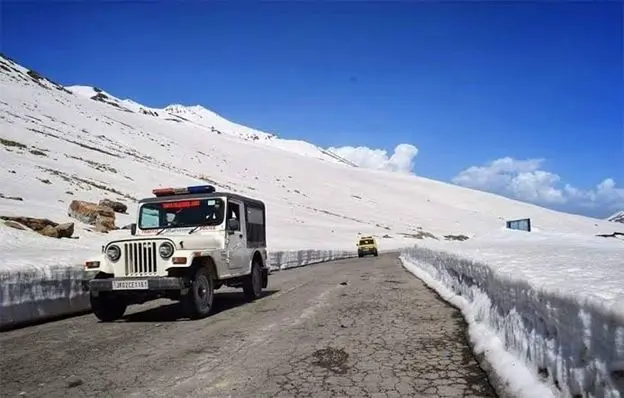
Just as the Swiss Alps are etched into the global imagination, the Pir Panjal range is Kashmir’s pristine emblem of alpine beauty. The district of Kulgam (J & K, UT) , ensconced in the folds of this majestic range, holds a journey that threads through forgotten paths and hidden marvels, beginning at Banihal Top and culminating at the historical Mughal Road. This corridor is not only a geographical expanse but a living anthology of nature’s poetry, cultural resilience, and untapped potential. Despite its profound ecological and cultural wealth, Kulgam remains underexplored. While popular destinations of Kashmir like Srinagar ,Phalgam , Gulmarg and others attract throngs, the locales scattered between Banihal Top and Mughal Road offer a different kind of experience—intimate, unspoiled, and deeply rooted in local traditions. This article explores this captivating corridor through detailed narratives, ecological studies, and cultural insights, promoting it as a model for sustainable eco-tourism and heritage preservation.
1. Zagimarg( Gateway of Tranquillity, Terrain): Zagimarg is the threshold of this enchanting voyage. Perched at a considerable altitude, it provides sweeping vistas of the lower Kulgam valley. Pine forests flourish here, infusing the air with their soothing aroma. This location acts as a natural divide, channelling water into downstream tributaries that nourish agricultural lands. In the summer, nomadic shepherds move here, their presence and practices painting a pastoral tableau that seems plucked from another time.
Zagimarg’s ecological significance is equally matched by its potential for eco-tourism. Designated trails for light trekking and birdwatching could attract both local and international nature lovers. With investment in minimal-impact infrastructure, Zagimarg can become a hub for ecological education.
2.Bramsar;The Sacred Mirror of the Sky: Situated at a high elevation trail, Bramsar is one of the lesser-known alpine lakes in the region. Fed by glacial melts and surrounded by pristine ridgelines, Bramsar is believed by locals to hold sacred significance.The lake is mirror-like in its stillness, reflecting the skies and symbolizing divine tranquility. Religious folklore narrates that ascetics once meditated near its shores, and the area continues to attract seekers of solitude and spiritual communion. It is also home to rare alpine flora and fauna.
3. Chirsar: The Lake of Peace ,Reflection: Tucked amidst serene alpine meadows, Chirsar is another hidden gem—a small lake ringed by pine and birch trees. Often veiled in fog, the lake emanates silence and stillness that offer deep introspection to trekkers. The name “Chirsar” stems from “Chir”—meaning “long-lasting” or “eternal,” aligning with the lake’s timeless beauty and serenity. Local legends tell of shepherds who, during their seasonal migrations, offer milk to the lake as a gesture of gratitude. The lake is especially stunning during twilight when the surrounding landscape glows in hues of gold and blue.
4. Chiranbal (The Hidden Switzerland of Kashmir): A marvel tucked away in the lap of glaciers, Chiranbal is a meadow that exudes an ethereal charm. With streams cascading from nearby snow-fed peaks and lush grasslands unfolding in all directions, it mirrors the imagery of Switzerland—albeit untouched by commercial tourism. Chiranbal’s spiritual aura stems from Sufi saints who are believed to have meditated here. The flora includes medicinal plants, many of which are endangered and need immediate documentation. Migratory birds such as Himalayan Monals and wagtails frequent the area, making it an ecological hotspot worthy of avian research.
5. Kongwattan: The Valley of Wild Flowers, Wisdom: Kongwattan is the crowning jewel—a high-altitude bowl of unmatched biodiversity. During summer, it bursts into a kaleidoscope of flowers, earning comparisons to the famed Valley of Flowers in Uttarakhand. Academicians and artists alike gather here. From ecological research camps to folk art symposiums, Kongwattan is a fertile ground for interdisciplinary creativity. With the involvement of local artisans and scholars, the site can become a learning landscape—where knowledge and nature coexist
6.Kounsar Nag;The Sacred Glacial Jewel Of Pir Panjal: Perched at an altitude of approximately 4,000 meters (13,000 feet) above sea level and nestled deep within the Pir Panjal range, Kounsar Nag—also known as Vishnu Pad—is one of the most sacred and awe-inspiring alpine lakes in Jammu & Kashmir. Originating from the Kausarnag glacier, the lake serves as the primary source of the Veshaw River, which meanders through the Kulgam district, nurturing life along its banks.
7.Mahinag;The Serene Sister Spring Of Kounsar Nag: Situated on the route to Kounsar Nag, in the picturesque uplands of Kongwattan, Mahinag is a revered spring and sacred site often visited by pilgrims, trekkers, and herders. It occupies a tranquil glacial bowl, cradled by emerald meadows and snow-laced ridges.
“As the world grapples with over-tourism and cultural erosion, the Banihal Top to Mughal Road trail offers a template for a different future—one that balances exploration with preservation, and development with dignity. In Kulgam’s forgotten frontier lies not just scenic beauty, but the promise of a more thoughtful, respectful, and enriching form of travel. By unveiling these hidden gems, we honor not just the land but the soul that animates it.”
8. Sundar Boug( A Garden Woven by Nature): Meaning “Beautiful Garden,” Sundar Boug is a vibrant mosaic of color. Wildflowers in purples, oranges, and blues bloom in harmony with medicinal herbs. Local Hakims often visit to collect herbs for traditional medicine, continuing a generational legacy. Easy trails make Sundar Boug accessible for families and casual trekkers. It could serve as a pilot site for promoting community-led herbal medicine tourism. Workshops and guided botanical walks can become a mainstay of this emerging green economy.
9. Poshpathri(Pastoral Utopia of the Gujjars): The undulating terrain of Poshpathri is a living diary of the nomadic Gujjar tribes. During summer, their canvas tents dot the landscape, herds graze freely, and oral storytelling enlivens evening camps. A local spring is believed to have healing properties. Ethnographic studies here could reveal vanishing languages and customs. To protect this delicate culture, tourism must be curated, possibly through home-stays and tribal storytelling sessions.
10. Trajan (Echoes of Ancient Trade and Resistance): Trajan, once a node on an ancient trade network, is now a ghost of history with stone cairns and trail markers half-swallowed by vegetation. Oral narratives recall its role during regional resistance movements, adding a layer of socio-political depth. With proper archaeological documentation and community archiving, Trajan can become an open-air museum of local history. Heritage walks and digital storytelling apps could bring its stories to a global audience.
11. Nusbehak; Realm Of Spirits, Springs: Misty and mystical, Nusbehak is a locale of sacred significance. Locals believe guardian spirits protect the area. Sweet mineral-rich springs are used in spiritual rites and seasonal festivals. This spiritual ecology invites both contemplative travelers and researchers. Quiet tourism, like silent retreats or nature meditation camps, could be piloted here without disrupting its sanctity.
12. Pachanpathri: The Adventure Arena: Pachanpathri, meaning “the meadow of five streams,” is a unique hydrological and ecological zone where five glacier-fed streams converge, creating a lush, vibrant landscape ideal for grazing and biodiversity. Its mineral-rich springs feed into the Veshew basin, making it a critical watershed area in southern Kashmir. The meadow supports a range of flora, including alpine orchids, berries, and aquatic mosses, and is frequented by Himalayan monals, eagles, and migratory birds. It serves as a vital seasonal settlement point for nomadic Gujjar communities, showcasing the interdependence between nature and traditional pastoral culture. With its breathtaking natural charm and ethnographic value, Pachanpathri holds promise for sustainable tourism, scientific study, and cultural preservation.
13. Badihehk; Where Faith Meets Flora: This meadow, adorned with natural shrines and floral grandeur, blurs the line between spirituality and wilderness. Red-leafed shrubs, blue alpine blooms, and green moss create a surreal landscape that becomes a pilgrimage site during village festivals. A blend of religious tourism and ecological mindfulness can be initiated here. Interpretative signboards and eco-spiritual treks may attract environmentally conscious pilgrims and photographers.
14. Sundartop: A Balcony to the Skies: As its name suggests, Sundartop is a summit that peers into the heavens. Paragliding prospects here are unmatched, and the view spans the entire Kulgam basin. It is also a strategic location for setting up meteorological and climate monitoring stations.
To blend recreation and research, Sundartop can be developed into a seasonal hub for aerial tourism and academic fieldwork. Drone-based mapping and photography workshops could also be organized.
15.Dudakachan; The Whispering Woods of Kulgam’s Alpine Dreamscape: Tucked away in the higher reaches of the Pir Panjal range, Dudakachan is one of Kulgam’s least explored and most spellbinding meadows, hidden behind cascading ridgelines and veiled by dense coniferous forests. This high-altitude bowl is part of the broader trekking route connecting Kongwattan, Chiranbal, and Poshpathri, and acts as a crucial ecological and pastoral node in the region. The route from Banihal Top to Mughal Road is more than a trail; it’s a corridor of consciousness. It embodies the spirit of local resilience, ecological bounty, and unexplored histories. Sustainable development initiatives here must be people-centered, low-impact, and heritage-focused. Community-based tourism models, training locals as eco-guides, herbalists, cultural historians, and hosts can create jobs while preserving the environment. Academic institutions should be encouraged to adopt parts of the trail as ‘living laboratories’ for fieldwork and applied research. As the world grapples with over-tourism and cultural erosion, the Banihal Top to Mughal Road trail offers a template for a different future—one that balances exploration with preservation, and development with dignity. In Kulgam’s forgotten frontier lies not just scenic beauty, but the promise of a more thoughtful, respectful, and enriching form of travel. By unveiling these hidden gems, we honor not just the land but the soul that animates it.
(The author is Section Officer at Central University Of Kashmir. The views, opinions and conclusions expressed in this article are those of the author and aren’t necessarily in accord with the views of “Kashmir Horizon”)
Ishtiyaq Hussain Bhat
[email protected]





