“Since the abrogation of Article 370 in 2019, which stripped Jammu and Kashmir of its special status, this was only the second time the legislative assembly session was convened—highlighting a slow but symbolic shift towards political normalization. The fact that this session took place after such a long gap underscores the continued challenges in fostering a political atmosphere conducive to dialogue, participation, and active governance. Despite the hurdles, this session represents a small but significant step in the gradual re-establishment of democratic processes and political life in the region.”
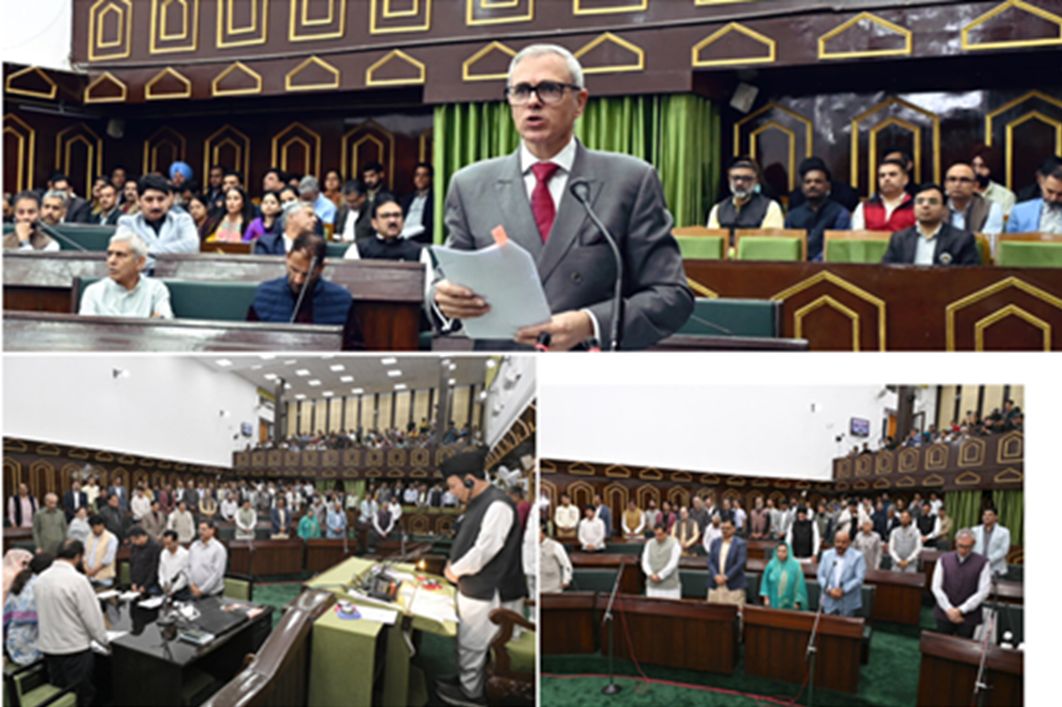
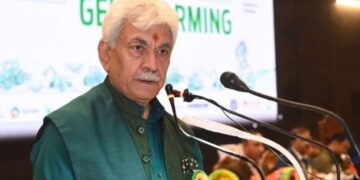
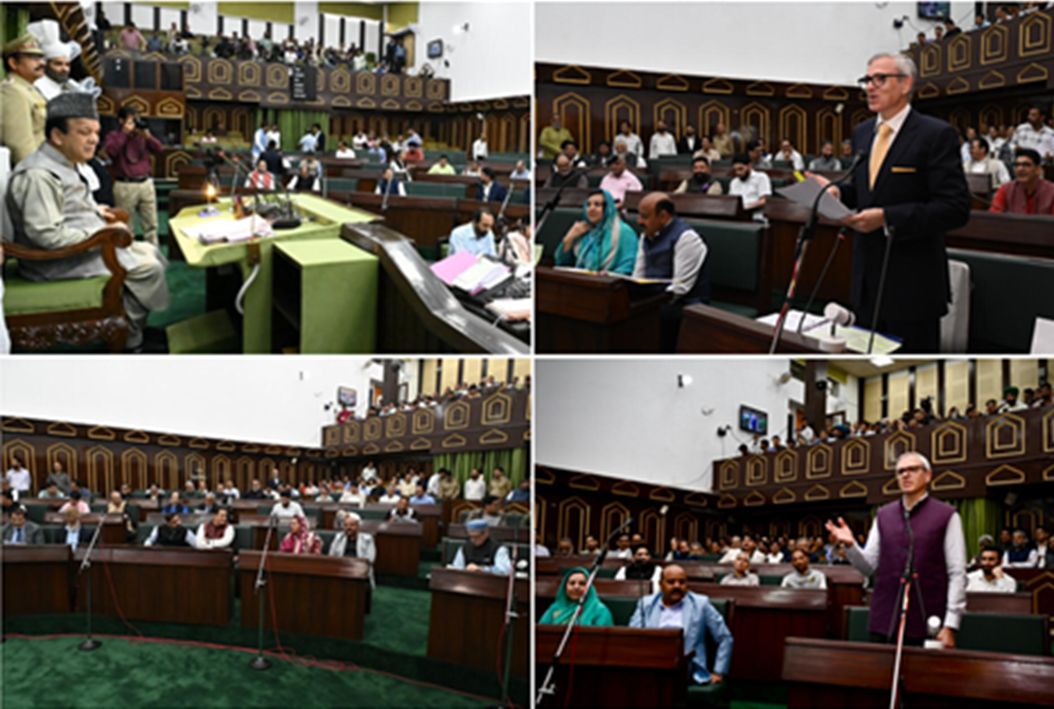
In a significant culmination of legislative activity, the Speaker of the Jammu and Kashmir Legislative Assembly, Abdul Rahim Rather, this week adjourned the House sine die, marking the end of a 21-day budget session that analysts say reflects a cautiously strengthening democratic ethos in the Union Territory. The session, which began on March 3 with the Lieutenant Governor Manoj Sinha’s address, concluded this week with a formal vote of thanks and the Speaker’s summary of the business conducted. Since the abrogation of Article 370 in 2019, which stripped Jammu and Kashmir of its special status, this was only the second time the legislative assembly session was convened—highlighting a slow but symbolic shift towards political normalization. The fact that this session took place after such a long gap underscores the continued challenges in fostering a political atmosphere conducive to dialogue, participation, and active governance. Despite the hurdles, this session represents a small but significant step in the gradual re-establishment of democratic processes and political life in the region.
A Busy Legislative Calendar: Speaker Rather, in his valedictory remarks, described the session as “one of the most substantial and engaging” in recent history. During the 21 days of proceedings, the Assembly Secretariat received a total of 1,355 questions from legislators. Of these, 154 starred questions were taken up on the floor of the House and were followed by 353 supplementary questions — a robust indicator of legislative scrutiny and ministerial accountability. In addition, the House received 1,738 cut motions from members, of which 1,731 were taken up for discussion. These motions, usually raised during demand-for-grants debates, signal members’ critical engagement with government budgeting and spending practices. Analysts view the volume of these motions as reflective of a functioning opposition and the seriousness with which fiscal issues were debated. Three government bills were tabled and subsequently passed during the session, while 33 Private Member Bills were also introduced. The presence of Private Member Bills, though often symbolic, indicates growing legislative participation by individual MLAs in proposing policy and legal reforms. The Speaker also revealed that the Assembly Secretariat had received 78 Calling Attention Motions, which are instruments for drawing government attention to urgent public issues. Out of these, 23 were listed for business, while 34 were disallowed — a common occurrence in Indian legislative practices, often due to procedural constraints or overlapping issues. Furthermore, 109 resolutions were received, of which 85 were admitted and 14 were listed for discussion. The high number of resolutions, despite their largely non-binding nature, suggests that legislators used the platform to raise diverse issues and express constituency demands.
Second Longest Budget Session in India This Year: Speaker Rather noted that the 21-day-long session was the second-longest budget session conducted by any Indian state or Union Territory in 2025, following closely behind Maharashtra. With over 39 hours of active floor time logged, the session has been widely viewed as a substantial step toward institutionalizing democratic functioning in the post-Article 370 political landscape. Experts emphasize that long and productive budget sessions are not merely symbolic but essential for refining governance mechanisms, particularly in newly reconstituted political systems such as Jammu and Kashmir.
Political Context: Functioning Under A Hybrid Model: The 2025 session took place under the renewed political structure in Jammu and Kashmir, wherein legislative powers coexist with executive oversight from the Centre via the Lieutenant Governor. While elections restored the Assembly, key policy and administrative functions continue to be monitored or influenced by central agencies — a dual arrangement that remains under scrutiny. Despite this hybrid governance model, observers noted a marked improvement in legislative engagement. “The fact that this session ran smoothly and saw meaningful debate across party lines shows that democratic institutions are regaining a foothold,” said Dr. Bashir Ahmad Wani, a political analyst at Kashmir University. “It is not just about symbolism anymore. The lawmakers are actively taking part in shaping the policy discourse, he said. Another expert, Prof. Rekha said that the government, for its part, responded with data-backed clarifications and budgetary allocations under various centrally sponsored schemes. “This is a very encouraging development. It shows that ministers are being made to respond not just to national media narratives but to constituency-specific ground realities, she added.
Strengthening Oversight, Accountability: The number and variety of questions, motions, and resolutions reflect an important function of legislative assemblies — holding the executive accountable. Lawmakers across party lines used the session to press ministers on a range of issues, from power supply deficits in rural areas, educational infrastructure in remote districts, health sector vacancies, to law-and-order concerns. During Question Hour, several MLAs raised the issue of delayed recruitment in government departments, prompting the government to present timelines for pending vacancies. The discussion on the education budget witnessed an intense exchange, with opposition legislators highlighting the poor condition of school buildings in districts like Kupwara, Doda, and Rajouri.
Budget As A Reflection of Priorities: The core of the session was the discussion and passage of the Jammu and Kashmir Budget for the financial year 2025–26. While the budget itself had been tabled earlier by the finance minister, this session allowed members to dissect departmental allocations, raise concerns about disparities in fund distribution, and offer constituency-level suggestions. The largest allocations were made to the Power Development Department, Education, Rural Development, and Health and Medical Education — a pattern that indicates the government’s focus on improving core public services. However, some legislators criticized the budget for falling short in delivering infrastructure push to border and tribal regions. In response, the government introduced amendments to fund new model schools in Gurez, better road connectivity in hilly regions of Poonch and Reasi, and earmarked funds for the revival of sick industrial units in the Kashmir Valley.
Rise of Young Legislators, Regional Voices: This session also marked the emergence of young legislators as vocal stakeholders in the democratic process. Several first-time MLAs used procedural tools like Zero Hour and Calling Attention motions to bring local issues to the Assembly floor. In particular, women legislators from Anantnag and Kathua earned praise for raising gender-sensitive issues such as maternal health gaps, increasing dropout rates among girls in higher education, and the need for safe public spaces.
Coordination Among Institutions: Speaker Rather took time to thank various departments and stakeholders who contributed to the smooth conduct of the session. Among them were the Information Department, Assembly Secretariat, Health Department, Doordarshan, Radio Kashmir, J&K Police, and the press corps. He emphasized the role of institutional synergy in enabling a conflict-prone region to host a successful legislative session. Analysts say that this behind-the-scenes coordination also reflects improving bureaucratic professionalism in J&K. “There was minimal disruption during the proceedings. This shows that the legislative, security, and information arms of the state were in sync — something that hasn’t always been the case in past sessions,” noted former bureaucrat and commentator Nayeem Qadir.
“In a region still navigating complex political terrain, sustained commitment to democratic processes and constitutional responsibilities remains essential. This session may not have resolved all issues, but it has certainly rekindled the belief that dialogue, debate, and democratic functioning are once again finding space in Jammu and Kashmir’s political landscape.”
Challenges Ahead: Despite the session’s apparent success, several challenges remain. The Assembly continues to operate in a politically sensitive environment, with several mainstream political parties still calling for full statehood restoration and the reinstatement of Article 370. There is also concern about the extent to which the Assembly can influence policymaking, given that major security, land, and industrial policies continue to be governed by central ministries. “While the session was productive, the test lies in whether the executive takes legislative inputs seriously and implements them meaningfully,” said former MLA Shafi Ahmad. Further, the short intervals between sessions — and the absence of regular standing committee meetings — limit sustained oversight over ongoing projects. Experts recommend that future sessions focus more on post-budget scrutiny and real-time assessment of public service delivery.
Democratic Significance: Nonetheless, this session marks a promising chapter in the democratic evolution of Jammu and Kashmir. After years of political dormancy and uncertainty following the 2019 reorganization, the Assembly has begun to function as a forum of discussion, dissent, and decision-making. “The symbolism of this session cannot be overstated,” said Prof. G. M. Lone, a constitutional scholar. “J&K’s political future depends on how robustly its institutions evolve. This budget session has laid the foundation for that evolution — it’s now up to the stakeholders to carry it forward.”
Kashmir Horizon View: As Jammu and Kashmir’s legislative machinery begins to find its rhythm again, the focus must now shift toward institutional consolidation and deeper democratic engagement. The government should ensure that recommendations and concerns raised during the session are systematically followed up through standing committees and departmental reviews. There is also a pressing need to institutionalize regular sittings, strengthen the committee system, and promote greater legislative research support to members. Encouraging broader participation from women, youth, and marginalized voices — and making legislative records more accessible to the public — will further help in building a transparent, accountable, and inclusive democratic culture. A more empowered Assembly, coupled with a responsive executive, will be critical in addressing the region’s unique socio-economic challenges and ensuring that governance reflects grassroots aspirations. The successful conduct of the 2025 Budget Session stands as a testament to the growing maturity of Jammu and Kashmir’s democratic framework post-reorganization. It served not only as a platform for political deliberation but also as a bridge between the government and the governed, amplifying the voices of people from all corners of the Union Territory. While the session’s productivity is encouraging, the real impact will depend on how sincerely its outcomes are implemented. In a region still navigating complex political terrain, sustained commitment to democratic processes and constitutional responsibilities remains essential. This session may not have resolved all issues, but it has certainly rekindled the belief that dialogue, debate, and democratic functioning are once again finding space in Jammu and Kashmir’s political landscape.
(In commitment to continuous improvement the “Team Kashmir Horizon” invites it’s valuable readers to share their valuable feedback and suggestions with the “Team Kashmir Horizon”. The insights of readers will surely play a vital role in improving the content quality of “Kashmir Horizon” and contribute more for the empowerment of people. Please feel free to reach out to us at editor@ thekashmirhorizon.com. Team “Kashmir Horizon” eagerly anticipates thoughts and ideas of it’s readers, which will help us serve people and even more effectively. The inputs of valuable readers are highly valued as “Kashmir Horizon” strives to provide it’s readers the best possible experience.)