““PM chaired a special CCS meeting to review measures amid the West Asia conflict, focusing on uninterrupted supply of essential commodities like LPG, LNG, fertilizers, and power. Steps include diversifying energy and fertilizer sources, maintaining coal stock, expanding piped gas connections, and strict action against hoarding and black marketing”,” PM Modi
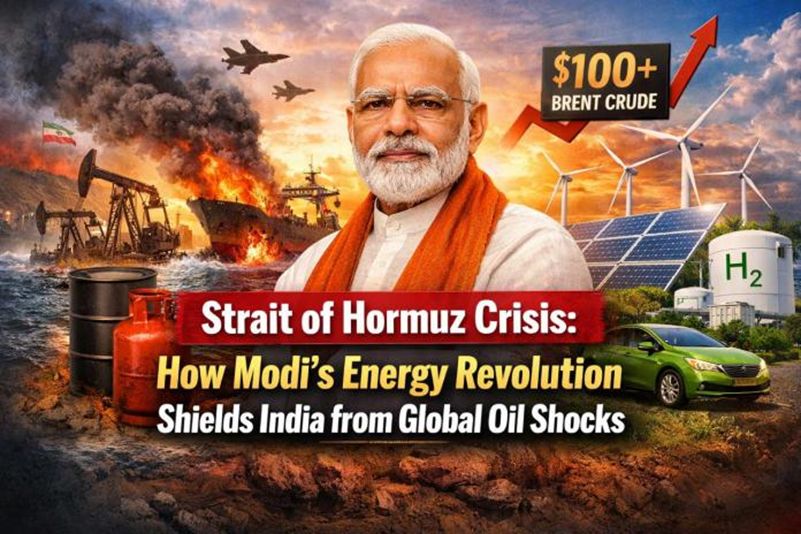
In a decisive move to safeguard the interests of Indian citizens and the nation’s economy amid the ongoing geopolitical tensions in West Asia, Prime Minister PM Narendra Modi chaired a special meeting of the Cabinet Committee on Security (CCS) at 7 Lok Kalyan Marg. This marked the second high-level discussion specifically dedicated to reviewing the impact of the conflict and the proactive steps being undertaken across critical sectors including energy, agriculture, fertilizers, logistics, shipping, aviation, and MSMEs. The meeting reflected a nuanced understanding of the intricate linkages between global instability and domestic economic stability, and underscored the government’s commitment to ensuring uninterrupted supplies of essential commodities while protecting the livelihood and well-being of ordinary citizens. The CCS meeting comes at a time when global energy markets, fertilizer supplies, and agricultural inputs are under stress due to the ongoing conflict in West Asia. Recognizing the potential ripple effects on domestic prices and supply chains, the Prime Minister and senior officials discussed a range of interventions designed to mitigate emerging challenges. These included supply diversification for Liquefied Petroleum Gas (LPG) and Liquefied Natural Gas (LNG), measures to maintain coal stock for power generation, and ensuring smooth functioning of key transport and logistics channels. The meeting also reviewed fiscal interventions such as fuel duty reductions and policies for power sector optimization to guarantee stable availability of essential resources during the critical summer months.
Energy Security| Diversification, Strategic Resilience: Energy security was a central focus of the CCS deliberations. Officials briefed the Prime Minister on ongoing efforts to diversify the country’s LPG and LNG supply sources, a strategy aimed at insulating India from potential disruptions stemming from the West Asia crisis. In particular, new inflows from multiple countries have been secured to ensure uninterrupted domestic supply. This approach not only stabilizes prices but also reduces dependence on any single supplier or region, creating a resilient energy infrastructure capable of weathering global shocks. Measures to expand Piped Natural Gas (PNG) connections across urban and semi-urban areas were highlighted as part of a longer-term strategy to reduce dependence on imported fuels. In addition, gas-based power plants with capacities of 7–8 GW were exempted from the gas pooling mechanism, and efforts to increase coal transportation to thermal power stations through additional rakes were implemented to guarantee power availability. Together, these initiatives reflect a multi-layered approach to energy security, ensuring that households and industries alike continue to receive uninterrupted electricity and fuel supply during periods of heightened global uncertainty. The CCS also reviewed ongoing monitoring and enforcement measures to prevent diversion, hoarding, or black marketing of LPG, which could exacerbate supply shortages. Regular audits, anti-diversion enforcement, and strict action against violators have been instituted to maintain market stability, reassuring domestic consumers that essential energy needs will be met without disruption.
Agricultural Stability, Fertilizer Security: The Prime Minister and senior officials devoted significant attention to the agricultural sector, understanding that any disruption in fertilizer supply or input materials could have cascading effects on food security and rural incomes. Fertilizers, particularly Urea, DAP (Di-Ammonium Phosphate), and NPKS (Nitrogen-Phosphorus-Potassium-Sulfur), are critical for the Kharif and Rabi cropping cycles, and global supply fluctuations have the potential to destabilize domestic agricultural production. To counter this, the government has taken multiple steps to ensure uninterrupted fertilizer availability. Urea production is being maintained at optimal levels, while coordination with overseas suppliers is ensuring that DAP and NPKS shipments reach India in a timely manner. State governments have been directed to curb black marketing, hoarding, and diversion of fertilizers through daily monitoring, on-ground raids, and enforcement under the Essential Commodities Act. The Prime Minister underscored the importance of safeguarding farmers from market volatility, ensuring that domestic agricultural production continues to meet the country’s food security requirements. Enhanced coordination between central and state agencies is central to this approach, with control rooms established for constant monitoring and rapid intervention. Real-time data on fertilizer stocks, prices, and distribution channels allows for preemptive action, ensuring that supply disruptions are addressed before they affect farmers’ planting schedules or productivity.
Price Stability, Consumer Protection: A key priority of the CCS meeting was maintaining the stability of essential commodity prices. Officials reported that retail prices for food items, vegetables, and fruits have remained stable over the past month, reflecting the efficacy of ongoing monitoring mechanisms. Control rooms have been set up to interact with States and Union Territories on a continuous basis, enforcing the Essential Commodities Act and ensuring compliance with fair pricing policies. The Prime Minister emphasized that citizens must be shielded from undue price volatility or panic buying, particularly in sensitive sectors like food, energy, and fertilizers. Steps such as ensuring adequate storage, curbing hoarding, and deploying market interventions where necessary are aimed at maintaining both availability and affordability of essential commodities. These measures demonstrate a proactive approach to consumer protection, where the state anticipates risks and intervenes strategically rather than reactively.
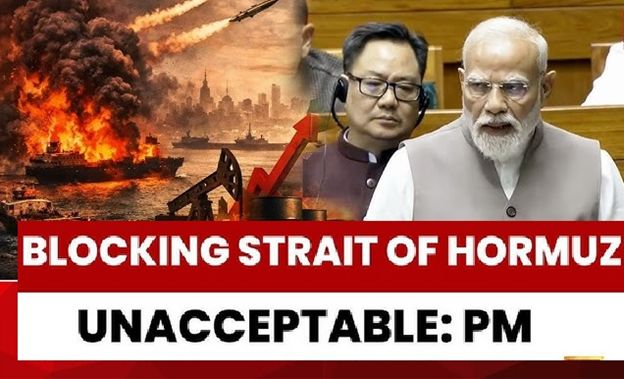
Logistics, Shipping, Aviation: Ensuring Supply Chain Continuity: The West Asia conflict has underscored the fragility of global supply chains, prompting the CCS to review the resilience of domestic transport, shipping, and aviation infrastructure. Discussions included measures to safeguard import-dependent sectors such as fertilizers, LPG, LNG, and other critical inputs, alongside initiatives to maintain smooth domestic distribution. Internationally, efforts are being made to secure safe passage for vessels through strategic chokepoints like the Strait of Hormuz, while diplomatic channels continue to work toward mitigating risks to shipping and maritime logistics. Domestically, rail and road networks are being leveraged to maintain uninterrupted supply of coal to power plants, fertilizer movement to agricultural hubs, and delivery of essential goods to urban and rural consumers alike. These measures reflect an integrated approach to logistics management, combining international diplomacy, strategic reserves, and robust domestic transport networks to ensure continuity amid global uncertainty.
“PM also stressed timely and accurate communication to prevent misinformation and reviewed measures for logistics, shipping, aviation, and MSMEs. With proactive monitoring and cross-sector coordination, the government aims to protect citizens, stabilize markets, and ensure resilience of India’s economy and essential supplies.”
Protecting Citizens, Public Awareness: Beyond material supplies, the Prime Minister highlighted the critical importance of timely and accurate communication with the public. In an age where misinformation can spread rapidly, the CCS deliberations stressed the need for authentic, real-time updates on supply availability, pricing, and government interventions. By ensuring smooth information flow, authorities aim to prevent panic, rumor-mongering, and unnecessary social anxiety, thus complementing physical supply measures with strategic communication. The CCS also reviewed the overall impact of the conflict on vulnerable populations and directed all concerned departments to take proactive steps to mitigate hardships. This includes ensuring availability of essential commodities, facilitating access to energy and fertilizer supplies, and maintaining uninterrupted power availability. By combining operational preparedness with communication and monitoring mechanisms, the government seeks to ensure that the common citizen experiences minimal disruption in daily life despite geopolitical uncertainties.
Multi-Sectoral Preparedness, Strategic Foresight: One of the defining aspects of the CCS meeting was its multi-sectoral lens. While energy and agriculture were natural focal points, discussions also encompassed the MSME sector, civil aviation, and shipping logistics, reflecting the interconnected nature of modern economic and security challenges. By examining cross-sector vulnerabilities and planning coordinated interventions, the government aims to ensure that no sector is left exposed to cascading risks from global instability. For instance, MSMEs, which are heavily reliant on imported raw materials and energy inputs, are being supported through targeted policy measures and monitoring mechanisms. Aviation and shipping channels are being optimized to maintain the flow of goods while mitigating exposure to international uncertainties. Across sectors, the emphasis has been on timely intervention, data-driven monitoring, and coordinated action between central ministries, state administrations, and district authorities.
Long-Term Strategic Implications: While the immediate focus of the CCS meeting was on mitigating disruptions arising from the West Asia conflict, the measures outlined have longer-term strategic significance. By diversifying energy and fertilizer sources, strengthening domestic production, optimizing logistics, and enhancing governance mechanisms, India is not only insulating itself against short-term crises but also building resilience for future global shocks. The integrated approach to public welfare, market stability, and national security underscores a governance philosophy where citizen well-being, economic stability, and strategic foresight are inseparable. By combining infrastructure readiness with communication strategies, monitoring mechanisms, and cross-sector coordination, the government is setting a benchmark for crisis preparedness that balances immediacy with sustainability.
Kashmir Horizon View: Prime Minister PM Narendra Modi’s chairing of the CCS meeting reflects a proactive, multi-dimensional strategy to shield Indian citizens from the economic and social consequences of the ongoing West Asia conflict. From ensuring uninterrupted energy and fertilizer supplies to monitoring food prices and enforcing consumer protection laws, the government has emphasized a comprehensive approach that integrates supply chain management, fiscal measures, governance, and public communication. By focusing on both immediate mitigation and long-term resilience, the CCS measures aim to ensure that essential commodities remain available and affordable, economic activity continues unhindered, and citizens are protected from both material disruption and misinformation. This meeting is emblematic of India’s evolving crisis management capabilities, highlighting a model of governance that is anticipatory, responsive, and citizen-centric. In navigating global instability, the country is demonstrating that proactive planning, multi-sectoral coordination, and strategic foresight are key to safeguarding both national interests and public welfare.
(“Team Kashmir Horizon” is committed to continuous improvement and invites feedback and suggestions from readers and its followers on social media sites. Reader insights are considered vital for enhancing content quality and empowering the community. The team encourages open communication and values the thoughts and ideas of its audience, believing that such input will enable them to serve the public more effectively. The initiative aims to ensure that readers have the best possible experience with “Kashmir Horizon”. Interested individuals can reach out to us via email at [email protected].)