Introduction: Marriage occupies a central position in Islam as a solemn covenant, a source of companionship, and the foundation of family life. It is not merely a social arrangement but an institution that promotes moral responsibility, protects human dignity, and contributes to social stability. The Qur’an and Sunnah establish principles governing the purpose of marriage, the selection of a spouse, the marriage contract, financial obligations, and the conduct of married life. Islam encourages marriage while discouraging coercion, extravagance, exploitation, and customs that impose unnecessary burdens upon families. Its essential message is that marriage should be accessible, dignified, and founded upon mutual consent, compassion, and responsibility.
1. Marriage | A Divine Blessing: The Qur’an describes marriage as a sign of Allah’s wisdom and mercy: “And among His signs is that He created for you from yourselves spouses that you may find tranquillity in them; and He placed between you affection and mercy” (Qur’an 30:21). The verse identifies tranquillity, affection, and mercy as fundamental purposes of marriage. Spouses should provide emotional security, companionship, and mutual support, particularly during illness, financial hardship, disagreement, and other challenges. The Qur’an further declares, “They are clothing for you and you are clothing for them” (2:187). This metaphor expresses intimacy, protection, dignity, and mutual support. Marriage should therefore be a partnership rather than a relationship characterised by domination or exploitation.
2. Marriage In The Qur’an And Sunnah: The Qur’an encourages communities to facilitate marriage: “And marry the unmarried among you. If they are poor, Allah will enrich them from His bounty.” (Qur’an 24:32)
This teaching discourages making wealth the sole criterion for marriage. Nevertheless, prospective spouses must assess their circumstances responsibly and prepare to fulfil their obligations. The Prophet Muhammad, peace and blessings be upon him, advised: “O young people! Whoever among you is able to marry should marry, for it helps him lower his gaze and guard his chastity. Whoever is unable to marry should fast, for fasting will serve as a restraint for him” (Sahih al-Bukhari, 5066; Sahih Muslim, 1400.). Marriage also forms part of the Prophetic way of life. The Prophet explained that he prayed and slept, fasted and broke his fast, and married, declaring that whoever turned away from his Sunnah was not of him (Sahih al-Bukhari, 5063; Sahih Muslim, 1401). Marriage can consequently become an act of worship when conducted lawfully and responsibly. Its legal ruling may vary according to individual circumstances, including personal needs, the risk of wrongdoing, and the ability to fulfil a spouse’s rights.
3. Consent And The Marriage Contract: The Qur’an describes marriage as a solemn covenant (4:21). The marriage contract, or nikah, establishes legally recognised rights and responsibilities and must satisfy the applicable Islamic legal requirements. Consent is fundamental. The Prophet stated that a previously married woman must be consulted and a virgin’s permission must be sought before marriage (Sahih al-Bukhari, 5136; Sahih Muslim, 1419). Family advice is valuable, but forced marriage contradicts the ethical principles of dignity and mutual consent. The question of guardianship requires recognition of jurisprudential differences. The majority of Sunni jurists consider a guardian, or wali, necessary for a valid marriage. The Hanafi school, however, recognises an adult, sane woman’s capacity to contract her own marriage under specified conditions. Accordingly, differences among legal schools must be represented accurately. Parents deserve respect and consultation, but their preferences should not override the legitimate rights of prospective spouses. Dialogue and mediation are preferable to threats, humiliation, or coercion.
“Islamic marriage is a spiritual, legal, and social union rooted in faith, mutual consent, respect, and justice rather than wealth or high status. Its integrity is upheld by facilitating unions, honoring mahr, rejecting forced dowry, and avoiding extravagance. Ultimately, true marriage fulfills its Islamic purpose through lasting tranquility, affection, mercy, and responsible companionship long after the wedding.”
4. Mahr And Financial Rights: Mahr, the dower payable by the husband to the wife, is an essential financial right in Islamic marriage. The Qur’an commands: “Give the women their bridal gifts graciously” (4:4). Mahr belongs exclusively to the wife. It is neither a purchase price nor compensation for entering marriage. Its amount should be determined responsibly, with moderation and due regard for the circumstances of both parties. Mahr must be distinguished from dowry. Mahr is payable by the husband to the wife, whereas dowry demands often pressure the bride’s family to provide money, vehicles, jewellery, or property. Such demands can cause financial hardship and undermine the dignity of marriage. Voluntary gifts should never become compulsory conditions imposed through intimidation or social pressure.
5. Simplicity And Wedding Etiquette: Islam condemns extravagance. The Qur’an states, “Do not spend wastefully. Indeed, the wasteful are brothers of the devils” (17:26–27). Wedding celebrations should not drive families into debt or force them to exhaust their savings to satisfy social expectations. Simplicity, however, does not mean suppressing happiness or prohibiting lawful cultural traditions. Family gatherings, appropriate clothing, and hospitality are permissible within ethical limits. The Prophet encouraged wedding hospitality, telling Abd al-Rahman ibn Awf: “Give a wedding feast, even if with one sheep” (Sahih al-Bukhari, 5155). The teaching supports celebration according to one’s means, not a fixed level of expenditure. The walimah, or wedding feast, should promote generosity and inclusion rather than social prestige. The Prophet criticised a feast at which wealthy people were invited while poor people were excluded (Sahih al-Bukhari, 5177; Sahih Muslim, 1432). Hospitality should reflect compassion, not discrimination.
6. Choosing A Spouse: The selection of a spouse should prioritise faith, character, emotional maturity, and compatibility. The Prophet observed that people marry for wealth, lineage, beauty, and religion, and encouraged choosing a religiously committed spouse (Sahih al-Bukhari, 5090; Sahih Muslim, 1466).
This guidance does not make education, temperament, attraction, or practical circumstances irrelevant. Rather, moral integrity provides an essential foundation for lasting companionship. Parents may offer advice, but the preferences and concerns of prospective spouses deserve serious consideration.
7. Mutual Rights And Responsibilities: The Qur’an commands husbands to live with their wives in kindness (4:19). Islamic marriage requires the fulfilment of financial, emotional, and moral responsibilities. The husband must provide the maintenance required by Islamic law, while both spouses must respect each other’s dignity, privacy, and legitimate rights. The Prophet declared, “The best of you are those who are best to their families” (Jami‘ al-Tirmidhi, 3895). Religious devotion must therefore be reflected in domestic conduct. Cruelty, dishonesty, humiliation, and abuse contradict the ethical objectives of marriage. Spouses should communicate honestly, cooperate in family life, and resolve disagreements fairly. Where abuse or danger occurs, protecting the affected person must take priority over preserving appearances.
Conclusion: Marriage in Islam combines spiritual purpose, legal responsibility, and social welfare. Its success depends not upon expensive ceremonies or social status but upon faith, consent, mutual respect, compassion, and justice. Facilitating marriage, honouring mahr, rejecting coercive dowry demands, avoiding extravagance, and protecting the rights of both spouses are essential expressions of Islamic ethics. Marriage fulfils its true purpose when tranquillity, affection, mercy, and responsible companionship continue long after the wedding celebration.
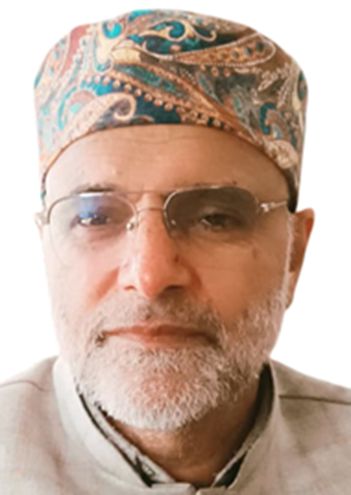
(The author a veteran academician is a former Professor and Head Department of Islamic Studies, Kashmir University. The views, opinions and conclusions expressed in this article are those of the author and aren’t necessarily in accord with the views of “Kashmir Horizon”)
[email protected]