• GST Reforms Offer J&K a Chance to Improve Revenue, Sustain Development Spending
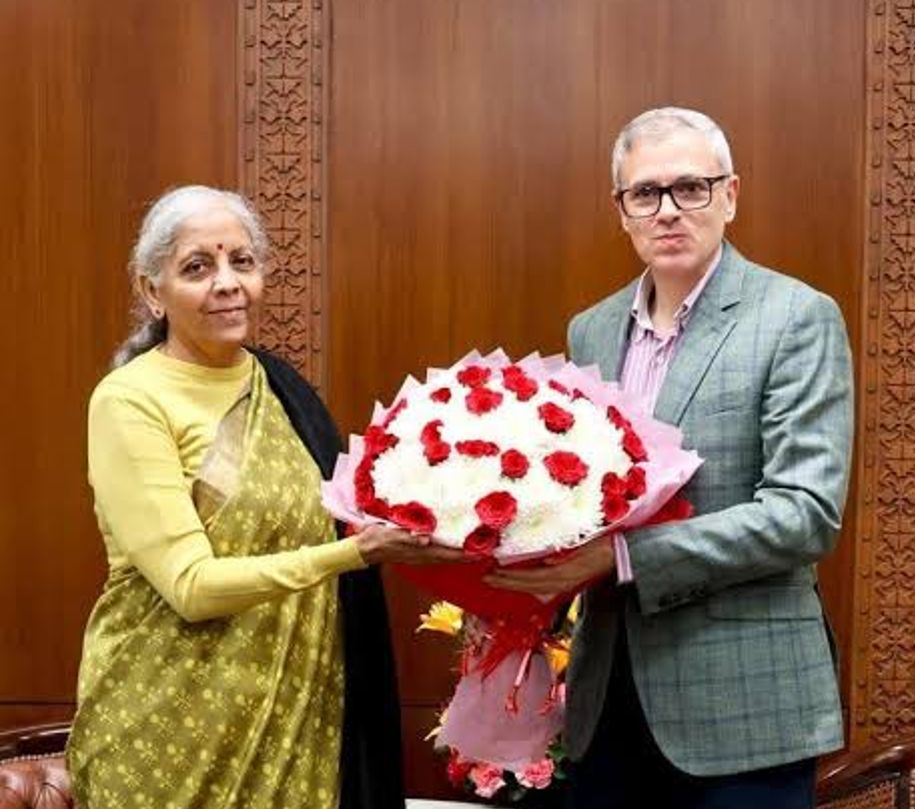
Srinagar| Oct, 10: Jammu and Kashmir’s fiscal outlook, revenue mobilisation and development priorities have come into focus following the 57th meeting of the Goods and Services Tax (GST) Council, with Chief Minister Omar Abdullah expressing confidence that the decisions taken by the Council would strengthen the Union Territory’s financial position and support economic growth. Chief Minister Abdullah, who attended the meeting in New Delhi in his capacity as Finance Minister of Jammu and Kashmir, said the decisions would help accelerate development and advance public welfare. The meeting was chaired by Union Finance Minister Nirmala Sitharaman and attended by chief ministers, finance ministers and senior officials from across the country. For Jammu and Kashmir, the significance of GST policy extends beyond tax administration. As a Union Territory with an elected government and substantial development requirements, it must maintain a careful balance between generating revenue, meeting expenditure commitments and investing in infrastructure and essential public services. The Council’s deliberations on revenue mobilisation, fiscal capacity and cooperative federalism therefore carry particular relevance for J&K, where public investment plays an important role in supporting economic activity, improving connectivity and strengthening services across urban and rural areas. The immediate question is how national tax-policy decisions can translate into a stronger revenue base, a more predictable fiscal environment and greater economic opportunities for businesses, traders, tourism operators, manufacturers and households across the Union Territory.
Fiscal Stability At The Centre Of Development: A Government’s fiscal position determines how effectively it can finance public services, maintain infrastructure and undertake development projects. For Jammu and Kashmir, this responsibility encompasses a wide range of needs, including roads, healthcare, education, drinking water, urban infrastructure, rural development and support for agriculture and horticulture. GST is an important component of the revenue framework because it brings together the taxation of goods and services within a common national system. As part of the broader indirect-tax structure, it affects business activity, consumption, compliance and the revenue available to governments. The GST Council provides a constitutional forum in which the Centre and states and Union Territories with legislatures deliberate on tax rates, exemptions, administrative arrangements and other matters relating to the indirect-tax system. Its decisions can influence the business environment and the capacity of governments to mobilise revenue. However, the actual impact on Jammu and Kashmir’s finances depends on the specific measures adopted, their implementation and the resulting changes in economic activity and tax collections. Abdullah’s confidence that the Council’s decisions would strengthen J&K’s fiscal position reflects the importance his government attaches to the GST framework as an instrument of economic and administrative stability. A stronger revenue position can provide greater flexibility in financing development priorities, although sustained fiscal health also requires efficient expenditure management, effective tax administration and a growing productive economy.
Why GST Matters For Jammu & Kashmir: Jammu and Kashmir’s economy has several distinctive characteristics. Tourism, horticulture, handicrafts, trade, transport, construction and services contribute to livelihoods and commercial activity across the region. These sectors operate through interconnected supply chains. Agricultural produce moves from farms to mandis, storage facilities and markets; handicrafts pass through producers, traders and retailers; and tourism supports hotels, transport operators, restaurants, guides and local service providers. A predictable tax system can help businesses plan investments, manage costs and operate within a common regulatory framework. A well-functioning GST mechanism can also improve the documentation of transactions and reduce some of the complications associated with multiple indirect taxes. For small businesses, however, the benefits depend on whether compliance procedures remain manageable. Traders and service providers need clear information, accessible tax assistance and timely resolution of disputes to ensure that compliance does not become an unnecessary burden. The impact of GST on J&K must therefore be evaluated through both revenue and economic activity. Higher collections can strengthen public finances, but the quality of the tax system also depends on whether it supports formalisation, encourages lawful business practices and allows enterprises to expand. For an economy seeking to generate more employment and strengthen its private sector, tax administration must be efficient, transparent and responsive to the needs of businesses.
Revenue Mobilisation And The Challenge Of Expenditure: One of the key issues discussed at the Council meeting was the need to strengthen the fiscal capacity of states and Union Territories. Revenue mobilisation is particularly important for governments with extensive development responsibilities. Roads require maintenance, public institutions need recurring expenditure and welfare programmes must be implemented consistently. Delays in revenue realisation or inefficient spending can affect the pace of development projects. For Jammu and Kashmir, strengthening own-source revenue while using available central assistance effectively will remain an important part of fiscal management. GST collections are influenced by several factors, including consumption, the performance of registered businesses, compliance levels and the composition of economic activity. Improved tax administration and greater formalisation can contribute to collections, while economic expansion can broaden the taxable base. At the same time, revenue growth should be accompanied by careful expenditure planning. Public money must be directed towards projects and services that generate tangible social and economic returns. Infrastructure investments that improve transport connectivity, strengthen tourism facilities, support agricultural supply chains and improve access to essential services can contribute to long-term economic capacity. The objective should be to ensure that fiscal resources support both immediate public needs and investments capable of generating future growth.
Tourism, Horticulture And The Wider Economy: The relationship between tax policy and economic development is especially relevant to Jammu and Kashmir’s major economic sectors. Tourism creates employment and business opportunities across accommodation, transport, food services, handicrafts and local commerce. A stable business environment can help tourism enterprises plan operations and invest in improved facilities. Horticulture, particularly apple production, is another important contributor to the region’s economy. The sector depends on transportation, packaging, cold storage, processing and marketing networks. Greater investment in these areas can improve efficiency, reduce post-harvest losses and strengthen market access. GST-related decisions can influence the taxation and compliance obligations of businesses operating across these supply chains. Their actual effect, however, depends on the relevant tax provisions and the nature of each transaction.
Cooperative Federalism And J&K’s Fiscal Interests: The GST Council is an important example of cooperative federalism because it provides a platform for the Centre and participating state and Union Territory governments to discuss a common tax framework. Decisions taken through the Council can affect governments with different economic structures, revenue capacities and expenditure requirements. Reaching consensus requires balancing national objectives with the practical concerns of individual jurisdictions. For Jammu and Kashmir, participation in these deliberations provides an opportunity to place its fiscal and economic priorities within the national discussion. The Union Territory’s geographical conditions, seasonal economic patterns and development requirements make the effective use of public resources particularly important. Connectivity projects, infrastructure in remote areas and essential services often involve substantial costs. Cooperation between the Centre and the J&K government can support more effective implementation of national policies, while regular engagement through institutions such as the GST Council can help address tax-related concerns.
From Policy Decisions To Public Benefits: The significance of the latest GST Council meeting will ultimately be measured by its practical outcomes. A stronger fiscal position can help the government plan expenditure more effectively, but improved public finances must translate into visible benefits for citizens. These include better roads, more reliable public services, stronger healthcare and educational facilities, and an environment in which businesses can create sustainable employment. Tax administration also needs to remain accessible. Small traders, entrepreneurs and service providers should be able to understand their obligations, complete compliance requirements and resolve genuine difficulties without excessive procedural costs. For the government, regular monitoring of collections, expenditure and the performance of development programmes will be important in determining whether policy decisions are producing the intended results. Equally, economic growth must be broad-based. Tourism, horticulture, handicrafts, manufacturing and services all have the potential to contribute to employment and revenue generation if supported by appropriate infrastructure and a predictable business environment. The relationship between revenue and development is therefore not one-directional. Efficient tax collection helps finance public investment, while productive public investment can improve economic activity and expand the revenue base over time.