• Session concludes after seven sittings and over 25 hours of business
• BJP disruptions lead to two adjournments; govt withdraws two Bills
• Six of eight government Bills passed; 646 questions received during session
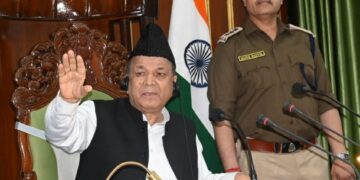
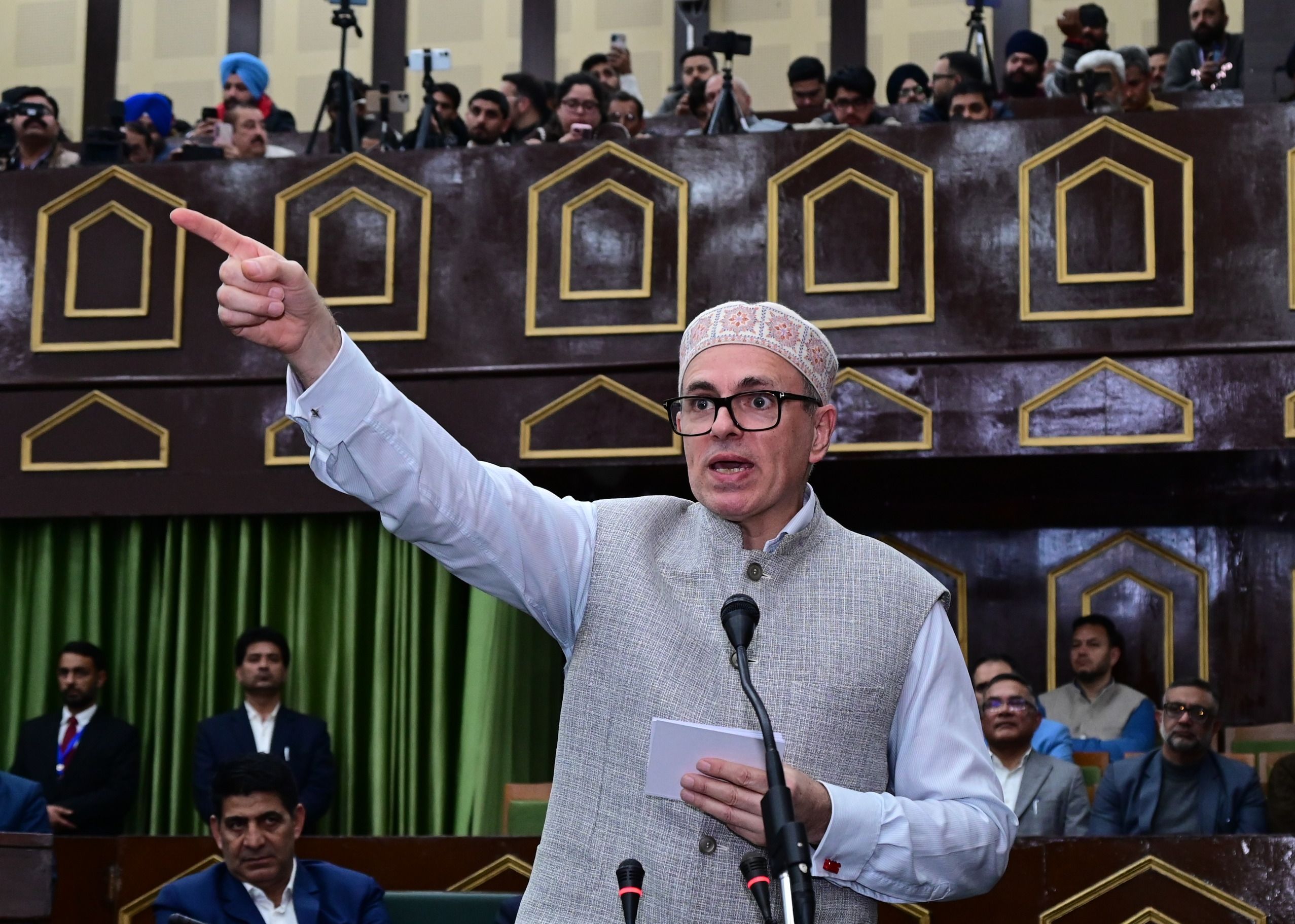
Srinagar|Sept, 30: The autumn session of the Jammu and Kashmir Legislative Assembly concluded on Wednesday with Speaker Abdul Rahim Rather adjourning the House sine die after seven sittings and more than 25 hours of proceedings.
The session was marked by sharp political exchanges, repeated protests by BJP legislators and the passage of resolutions on restoration of statehood and exemption of teachers from the Teachers Eligibility Test (TET).
The statehood resolution, adopted by the House earlier in the session, also referred to the autonomy resolution passed by the legislature of the erstwhile state in 2000 and the special-status resolution adopted by the J&K Assembly in 2024.
The resolution drew strong opposition from the BJP, whose legislators described it as “anti-national” and “unconstitutional”. The protests led to disruptions, with the Speaker adjourning the House twice.
The session also witnessed a row over Bills relating to the salaries and allowances of ministers and legislators. Chief Minister Omar Abdullah subsequently withdrew the two Bills following opposition from BJP members.
Another resolution adopted during the session urged the Government of India to amend the Right of Children to Free and Compulsory Education Act, 2009, to exempt teachers from the requirement of the Teachers Eligibility Test.
The BJP, led by Leader of Opposition Sunil Sharma, remained particularly vocal during the proceedings, raising issues concerning governance as well as matters linked to the party’s broader political agenda.
The non-BJP opposition, meanwhile, remained divided on several issues, limiting the scope for a coordinated challenge to the government in the House.
According to the Assembly’s business record, eight government Bills were introduced during the session, of which six were passed and two withdrawn.
The Assembly Secretariat received 49 previous Private Members’ Bills and 23 fresh Bills. Of the fresh Bills, 22 were admitted and one disallowed, while only one was taken up for consideration in the House.
A total of 646 starred and unstarred questions were received by the Assembly, including 328 starred and 318 unstarred questions. Of these, 625 were listed, while 20 were disallowed and one was withdrawn.
The House also received 79 calling-attention notices. Of these, 56 were admitted and 23 disallowed, with 30 listed for discussion during the session.
As many as 70 Private Members’ resolutions were received, of which 63 were admitted and seven disallowed. Only one Private Members’ resolution was taken up in the House, while none was adopted.
Concluding the session, Speaker Rather urged legislators to end the proceedings on a positive note and not carry political differences beyond the House.
Thanking members for their participation, Rather said his responsibility as Speaker was to facilitate every legislator in raising issues concerning their constituents.
“I have tried to accommodate everyone irrespective of party, and I reiterate that I don’t belong to any party,” he said.
Rather acknowledged that the session was relatively short and said longer sittings would have provided members more opportunities to participate in debates and raise public concerns.
Referring to the disruptions, he said protests and heated exchanges were common in legislatures, adding that the situations during the session were handled appropriately. He said he could have marshalled members during disruptions but chose to exercise patience.
The Speaker maintained that despite the disruptions, the House completed important legislative and parliamentary business. “Questions and business were not allowed to go waste,” he said.
Deputy Chief Minister Surinder Choudhary, in his concluding remarks, said the government had attempted to address issues raised by members despite the limited duration of the session.
He said directions had been issued to officials on issues raised by both treasury and opposition members and urged officers to take the concerns expressed by legislators seriously.
Choudhary also thanked the Speaker for accommodating members and acknowledged the role of Assembly employees, security personnel and the media in conducting the session.
The autumn session thus ended after a politically charged 10 days, with statehood emerging as its most contentious issue while the House also completed a range of legislative, financial and question-related business.