Dulloo directs strengthening of Tele-ICU, Tele-Radiology, NCD screening and healthcare infrastructure under NHM
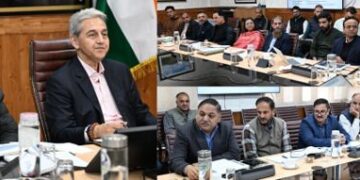
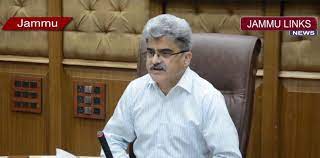
Jammu: Chief Secretary, Atal DullooMonday chaired a comprehensive review meeting of the National Health Mission (NHM) and allied healthcare programmes in Jammu and Kashmir and took stock of the achievements, challenges and future roadmap of the Health & Medical Education Department for strengthening healthcare delivery across the Union Territory.
The meeting, besides Commissioner Secretary, Health & Medical Education, was attended by MD, NHM; Director, SKIMS; Principals of Government Medical Colleges; Director, Health Services, Jammu/Kashmir, besides other concerned officers.
Addressing the meeting Chief Secretary emphasized the urgent need to enhance healthcare systems in Jammu and Srinagar, directing premier healthcare institutions to pursue NABH accreditation. He mandated that each Medical College appoint a nodal officer to ensure institutional readiness, with the expectation that other Medical Colleges and District Hospitals will adopt this model to elevate quality standards and patient care services across the Union Territory. The Chief Secretary highlighted the importance of equitable healthcare access, instructing the department to ensure that every Primary Health Centre has at least one Medical Officer, asserting that no health institution should be without a doctor. He also called for the acceleration of the tendering process for Tele-ICU, Tele-Radiology, and BEMMP facilities, which are expected to significantly enhance tertiary care delivery and provide advanced healthcare services closer to patients’ homes. In terms of quality assurance, he directed the Directors of Health Services to certify all health facilities under the NQAS framework within the year, stressing that adherence to healthcare standards is crucial for improving service delivery and public trust in government healthcare institutions. The Chief Secretary reviewed ongoing efforts to screen for Non-Communicable Diseases (NCDs), particularly among individuals over 40, warning that neglecting these conditions could lead to severe public health issues. He underscored the need for lifestyle modifications and preventive healthcare measures. The meeting also addressed the strengthening of the Drugs & Vaccine Distribution Management System (DVDMS) to ensure the availability of essential drugs across healthcare institutions. The Commissioner Secretary for Health & Medical Education reported on the department’s progress in implementing previous directives and highlighted significant improvements in healthcare indicators, including achieving Sustainable Development Goals for neonatal and under-five mortality rates ahead of schedule. The Mission Director of NHM noted advancements in Neonatal Intensive Care Units, with improved discharge rates and a decline in neonatal deaths. The Rashtriya Bal Swasthya Karyakram reported that over 18.84 lakh children were screened this financial year, with many referred for treatment. Institutional delivery rates have reached nearly 99.82%, reflecting enhanced maternal healthcare access. Jammu and Kashmir has emerged as a leader in X-Ray utilization under the TB Mukt Bharat Abhiyaan 2.0 campaign, with significant screening efforts in high-risk villages. Five districts have been declared TB-free, and over 5,500 TB patients are currently receiving treatment. Emergency healthcare services have benefited over 5.60 lakh individuals through ambulance networks, and the 104 Medical Helpline has served more than 12.82 lakh beneficiaries. The impact of Tele-MANAS services for mental health support has been notable, with over 1.53 lakh calls received. Comprehensive Primary Healthcare services have seen 87% of Ayushman Arogya Mandirs operational, providing expanded healthcare packages and achieving over 3.33 crore OPD visits in the last three years. The Pradhan Mantri National Dialysis Programme has established facilities in all districts, conducting over 68,000 dialysis sessions. The Chief Secretary was informed that more than 42 lakh individuals have been screened for hypertension and diabetes this year. The meeting also reported a significant increase in certified healthcare institutions under the National Quality Assurance Standards framework, with 409 facilities achieving certification by April 2026, compared to just 12 in March 2024. Progress was also noted in telemedicine services and various healthcare infrastructure projects.