• IFFJK 2026 concludes, spotlight shifts to J&K’s film future
• Calls for building a film production ecosystem that creates jobs, skills
• Says “Local stories, talent and professional infrastructure can bring filmmakers back”
• Says “IFFJK to evolve into a year-round platform for training, collaboration”
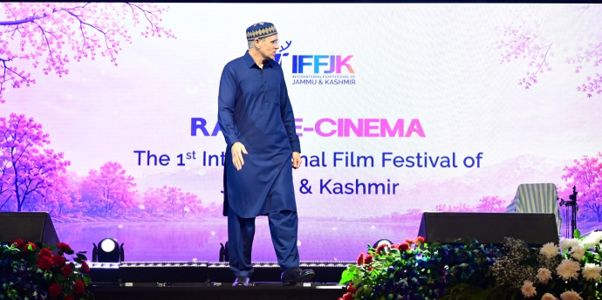 Srinagar|Sept, 10: Jammu and Kashmir must move beyond being a sought-after filming location and develop into a centre where stories are written, talent is nurtured and films are produced, Chief Minister Omar Abdullah said Thursday, as the first International Film Festival of Jammu and Kashmir (IFFJK) concluded at the SKICC.
Addressing the concluding ceremony of the four-day festival, Omar said the long-term success of IFFJK would not be measured by the number of films screened or filmmakers who attended, but by the careers it helped launch, collaborations it enabled and stories from J&K that eventually reached audiences in India and abroad.
“Our ambition must go beyond being a beautiful filming location: Jammu and Kashmir must increasingly become a place from which stories emerge, talent is discovered, and films are conceived and created,” he said.
The festival, which brought 120 films from more than 30 countries to Kashmir, provided a platform for filmmakers, artists, students and young aspirants to interact with established members of the film industry.
Omar said the participation of young people was among the more significant aspects of the festival, particularly the opportunities it created for them to engage with professionals and explore storytelling, filmmaking, technology and collaboration.
He said the government’s role should be to create an enabling environment, while the film and creative community would have to sustain a culture of cinema in the region.
The Chief Minister also sought to broaden the idea of what J&K could offer filmmakers. While its mountains, lakes and landscapes had historically attracted film productions, he said the region’s languages, literature, music, crafts, history and everyday lives could provide a much larger pool of stories.
“Our landscapes may bring filmmakers here, but our stories, our people and a professional filmmaking environment can bring them back,” Omar said.
The Chief Minister also underlined the economic potential of a stronger film ecosystem, saying productions in J&K should generate local employment and build skills among artists, technicians, craftspeople and service providers.
“Films coming to Jammu and Kashmir should therefore leave behind not only memorable images, but also skills, employment and stronger local capabilities,” he said.
He urged filmmakers visiting the festival to return to J&K not only to shoot but also to write, teach and collaborate with local talent.
For young filmmakers from the region, Omar said the focus should be on developing their craft and telling stories rooted in their own surroundings.
“Tell the stories of your neighbourhoods, villages, families and generation,” he said, adding that powerful cinema could emerge from intimate and local stories when backed by an authentic voice and strong craft.
The Chief Minister also referred to Kashmir’s long association with Hindi cinema, recalling films such as Junglee, Arzoo, Kashmir Ki Kali and Kabhi Kabhie that had used the region’s landscape as an important part of their visual identity.
He described the festival’s floating cinema on Dal Lake as one of the defining moments of its inaugural edition, saying it symbolically brought the screen back to the place that had featured prominently in Indian cinema for decades.
But Omar cautioned against allowing nostalgia to define the region’s cinematic future.
He called for IFFJK to develop beyond a four-day annual event into a year-round platform for film screenings, training, learning and collaboration, with its future direction shaped by feedback from filmmakers and audiences.
“Ten years from now, IFFJK’s success will be measured not only by the films screened or the personalities who joined us, but by the careers that began here, the opportunities and collaborations it created, and the stories from Jammu and Kashmir that reached audiences across India and the world,” he said.
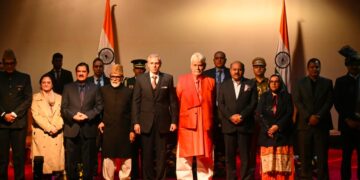
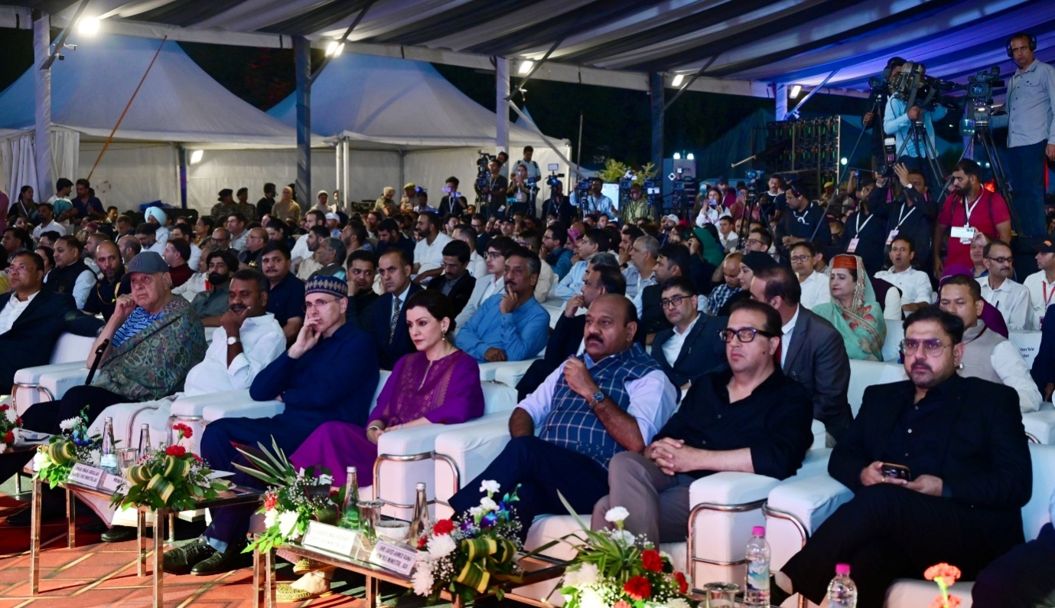
Union Minister of State for Information and Broadcasting L Murugan, former Chief Minister Farooq Abdullah, members of the J&K Council of Ministers, legislators, senior civil and police officers, filmmakers and delegates from India and abroad were present at the concluding ceremony.
Omar said the first edition should be seen as the beginning of a larger effort to build a sustainable film ecosystem in Jammu and Kashmir.
“If, years from now, filmmakers from Jammu and Kashmir are standing at festivals across the world with stories that first found encouragement or opportunity here, we may look back on these four days as the moment when something enduring began beside Dal Lake,” he said.