- 700 Kg narcotics seized across Kashmir
- 1,300 chemist checks, 88 violations detected
- 70 offenders booked in pharmacy crackdown
Irfan Yattoo
Srinagar: With the anti-drug campaign gaining unprecedented momentum across Jammu and Kashmir, the Nasha Mukt J&K Abhiyaan has emerged as one of the most aggressive crackdowns on narcotics in recent years.
From mass arrests and record seizures to property attachments and widespread awareness drives, the campaign is targeting both the supply chains and the social roots of drug abuse.
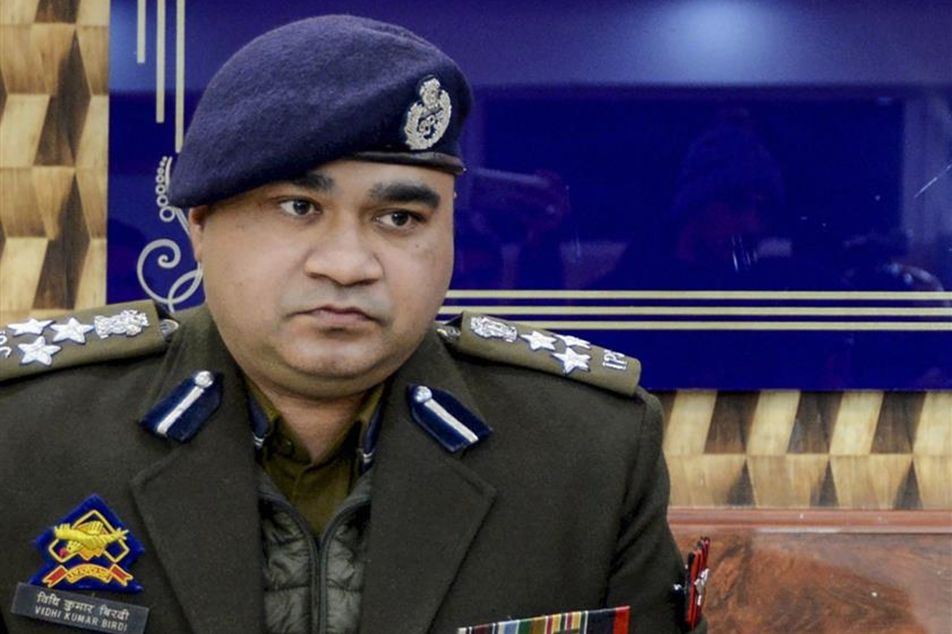
In an exclusive interview, Inspector General of Police (IGP) Kashmir Zone, Vidhi Kumar Birdi, speaks to Kashmir Horizon’s Senior Reporter Irfan Yattoo on the strategy, impact, and future roadmap of the campaign.
He outlines how law enforcement is combining strict action with community participation to dismantle the narcotics network and safeguard the region’s youth from the growing drug menace.
Q: The Nasha Mukt Abhiyaan was launched on April 11. How do you assess the progress so far?
IGP Birdi:The response has been very encouraging. In less than a month, we have seen strong coordination between police, civil administration, and the public. This is not just a law enforcement campaign but a social movement. Communities, families, and youth are actively participating, which is crucial for long-term success.
Q: Can you share key figures that reflect the scale of action taken so far?
IGP Birdi: Certainly. Since April 11, around 400 cases have been registered under the NDPS Act, and a similar number of accused persons have been arrested. In terms of seizures, we have recovered over 700 kilograms of charas and heroin combined, along with nearly 7,000 tablets, capsules, and syrups.
The estimated value of these narcotics exceeds ₹2.4 crore, which indicates the scale at which drug trafficking networks were operating.
Q: What about preventive measures like detention under PIT NDPS?
IGP Birdi:We have invoked the PIT NDPS Act against more than 20 individuals, particularly habitual offenders and those involved in organized drug networks. Preventive detention is a critical tool to break the cycle of repeat offences and incapacitate key players in the narcotics ecosystem.
Q: Financial crackdown seems to be a major focus. What progress has been made on that front?
IGP Birdi:Absolutely. We are targeting not just the peddlers but also the financial backbone of drug networks. So far, properties worth around ₹4 croreboth movable and immovablehave been attached under the NDPS Act. These properties were identified as proceeds of drug trafficking.This sends a strong message: illegal wealth generated through drugs will not be allowed to exist.
Q: There have also been reports of increased checking of medical establishments. What has been the outcome?
IGP Birdi:We have intensified inspections of chemist shops to curb misuse of prescription drugs. Around 1,300 checks have been conducted across the Valley. During these inspections, 88 violations were detected, and action has been taken against approximately 70 offenders.
The aim is to ensure strict compliance and prevent diversion of pharmaceutical drugs into illegal channels.
Q: What steps are being taken to curb illegal cultivation of narcotic crops?
IGP Birdi:We are actively destroying illicit cultivation. So far, about 400 marlas of poppy and 250 marlas of cannabis have been destroyed. These operations are conducted in coordination with local administration and are crucial in cutting supply at the source.
Q: Surveillance and monitoring of known offenders is also part of the strategy. Can you elaborate?
IGP Birdi:Yes, we have significantly enhanced surveillance. Action has been taken against nearly 3,600 known peddlers and suspects, including monitoring their activities and financial transactions. This helps us stay ahead of emerging networks and prevent regrouping of offenders.
Q: How important is public participation in this campaign?
IGP Birdi:Public support is absolutely vital. Police alone cannot eliminate the drug menace. We urge citizens to come forward, share information, and support awareness initiatives. We assure complete confidentiality to informers.
Families, teachers, and community leaders play a crucial role in identifying early signs of drug abuse and guiding youth towards the right path.
Q: There is often stigma attached to drug addiction. What is your message to society?
IGP Birdi:We must understand that addiction is a social and health issue. Those affected need support, not isolation. Society must break the stigma and encourage rehabilitation. At the same time, strict action will continue against those involved in trafficking and peddling.
Q: What is the roadmap ahead for the Nasha Mukt Abhiyaan?
IGP Birdi:The campaign will continue with full intensity. Our focus will remain on strong enforcement, financial investigations, community outreach, and preventive measures.
We are committed to dismantling the entire narcotics network and ensuring a drug-free future for Jammu and Kashmir.
Q: Your message to the youth of Kashmir?
IGP Birdi: My message to the youth is clear and sincere,stay away from drugs at all costs. “Addiction not only destroys your health but also shatters your dreams, your family’s hopes, and the future of society as a whole. You are the strength of Kashmir, and your choices today will define the region’s tomorrow.”
Do not fall into the trap of peer pressure or false notions of escape. Instead, focus on education, skills, sports, and positive pursuits that build your character and confidence. If you or someone around you is struggling with substance abuse, do not hesitate to seek help,there is support available, and early intervention can change lives. I also urge you to become active partners in this fight. If you notice any suspicious activity related to drugs in your locality, report it to the police. Your identity will be kept confidential. Remember, by speaking up, you are protecting not just yourself, but your friends, your community, and the future of Kashmir.
Together, with awareness, responsibility, and collective action, we can defeat this menace and build a healthier, safer, and stronger Kashmir.