Content Creator Labs to be set up in 15,000 schools and 500 colleges under Budget 2026–27
Govt pushes AVGC sector as part of India’s innovation-driven digital economy
I&B Minister highlights growing role of creator economy in media and entertainment sector
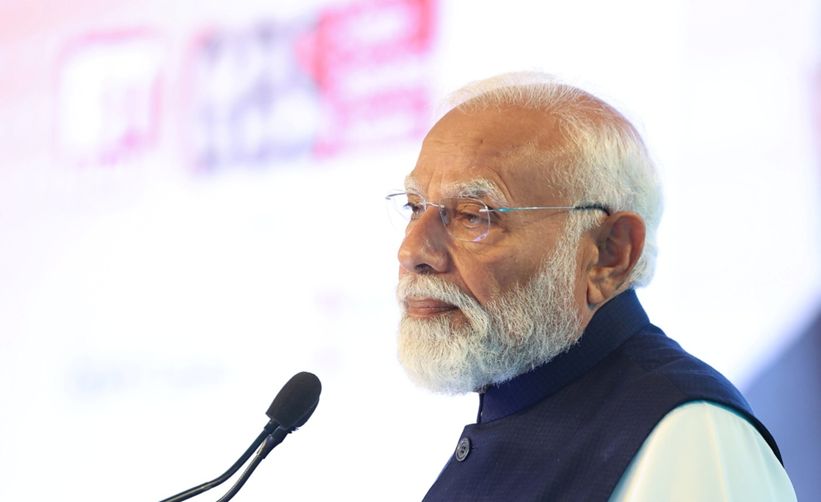
New Delhi: Prime Minister Narendra Modi on Sunday emphasised the promotion of the Animation, Visual Effects, Gaming and Comics (AVGC) sector as a key pillar of India’s transition towards an innovation-driven economy, calling for stronger collaboration between industry and academic institutions to prepare students for emerging creative technologies.
Addressing a Post-Budget Webinar on the theme “Sabka Saath, Sabka Vikas Fulfilling Aspirations of People: Education, Skills and University Townships”, the Prime Minister highlighted the need for universities and schools to become centres of innovation and industry engagement. He said educational institutions must strengthen research-driven learning and partnerships with industry so that students gain real-world exposure and contribute to the country’s growing digital and creative economy.
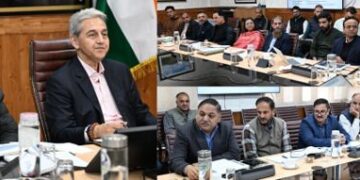
As part of the webinar, the Ministry of Information and Broadcasting (MIB) organised a breakout session titled “AVGC Content Creator Labs in Schools and Colleges”, which discussed the implementation roadmap for setting up Content Creator Labs (CCLs) in 15,000 secondary schools and 500 higher educational institutions, an initiative announced in the Union Budget 2026–27.
Union Minister for Information and Broadcasting Ashwini Vaishnaw highlighted the growing role of the creator economy, saying it offers a democratic platform for citizens to showcase creativity and cultural expression. He said the government has established the Indian Institute of Creative Technologies (IICT) on the lines of premier institutions such as IITs, IIMs and AIIMS to provide specialised training in emerging fields of media, technology and digital content creation.
Vaishnaw said the institute houses high-tech model laboratories comparable to leading global facilities and will offer professional education and skill development opportunities for youth in the creative and media sectors. He also noted that Doordarshan has launched a “Creators’ Corner”, allowing content creators to showcase their work, generate revenue and reach audiences across India and abroad.
Delivering the keynote address, Sanjay Jaju, Secretary, Ministry of Information and Broadcasting, underlined the importance of building a robust ecosystem to nurture creative talent and position India as a global leader in the AVGC sector.
The breakout session, moderated by Chaitanya Chinchlikar, Vice-President and Chief Technology Officer at Whistling Woods International, brought together policymakers, industry leaders, educators and students to discuss curriculum development, infrastructure, industry collaboration and skill pathways for the emerging creator economy.
The panel featured representatives from government, industry and academia, including A. Srija, Economic Advisor in the Department of School Education and Literacy; Ashish Kulkarni, Chairman of the FICCI AVGC Forum; Rajan Navani, Founder and Group CEO of JetSynthesys; Sonam Bhagat, CEO of Vygr; Vishwas Deoskar, CEO of IICT; Munjal Shroff, Director and COO of Graphiti Studios; Biren Ghose, Founder and CEO of Astra Studios; Manvendra Shukul, CEO of Lakshya Digital; Mala Sharma, Global Vice-President (Education and International) at Adobe; and Preeti Vyas, President of Mythik.
During the discussions, participants stressed that establishing Content Creator Labs in schools and colleges would create structured pathways for students to explore careers in animation, gaming, visual effects and digital storytelling, in line with the National Education Policy (NEP), which promotes multidisciplinary learning, creativity and design thinking.
Stakeholders also emphasised the need for strong industry partnerships to provide mentorship, internships and real-world exposure for students. The proposed implementation strategy includes a phased rollout, beginning with pilot institutions and gradually expanding based on readiness and feedback, with a focus on including institutions from tier-2 and tier-3 cities.
Key action points discussed included identifying suitable institutions for the labs, developing structured AVGC curricula, training faculty through industry-supported programmes, and creating standardised infrastructure and technology frameworks to support the initiative.
The session saw wide participation, with over 16,600 attendees, including representatives from nearly 500 schools, 50 colleges, industry stakeholders, parents and individual participants from across the country.
Officials said the discussions are expected to contribute to the development of a comprehensive implementation framework for AVGC Content Creator Labs, aimed at equipping young Indians with creative and digital skills while strengthening India’s position in the global AVGC ecosystem.
PIB