Says “Natural Farming Reduces Disease , Improves Crop Productivity, Practising Natural Farming On My Own Farm, Yields Are Nearly 1.5 Times Higher”
“The day I Was Appointed Cooperation Minister, I Felt I Had Been Given Greater Responsibility – One That Serves The Country’s Farmers, The Poor, Villages, Animals”.
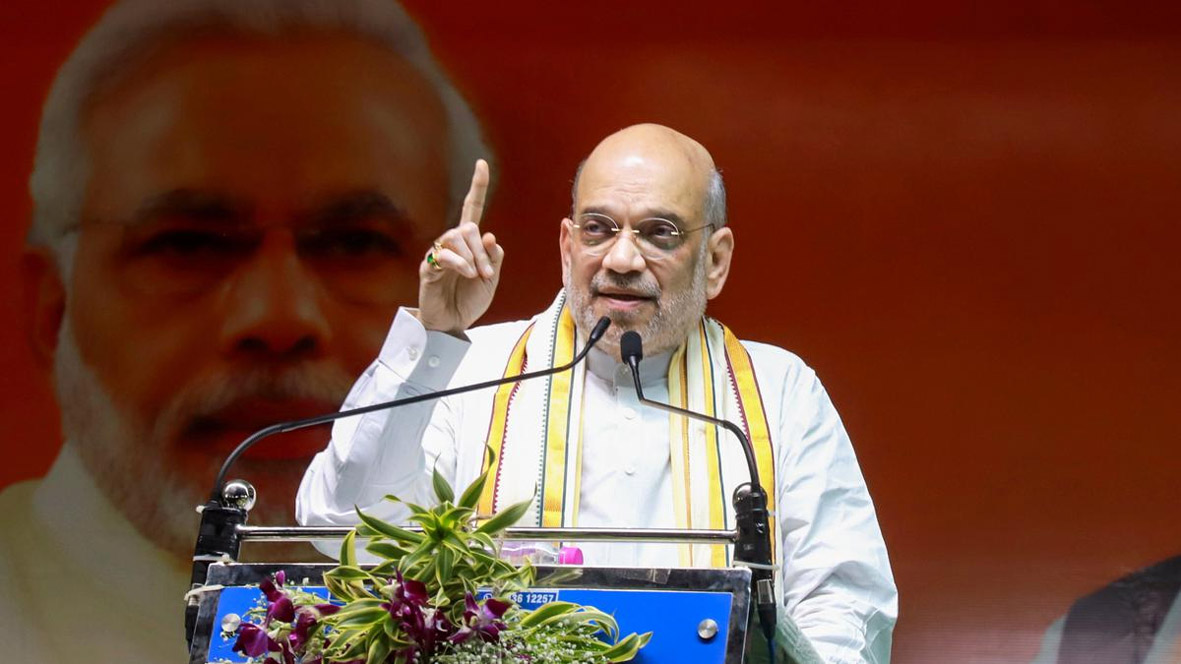
New Delhi: Union Home Minister Amit Shah, one of India’s busiest and most-active politicians, on Wednesday shared an unusually personal glimpse into his post-retirement plans. It’s often said that politicians never retire. But after a lifetime of steering political tides, even stalwarts seemingly ponder the prospect of a slower life. Shah, also the Minister for Cooperation, is a central figure in Indian politics and the Bharatiya Janata Party (BJP). Seen as a tireless worker, much like Prime Minister Narendra Modi, 60-year-old Shah surprised many with his reflections on what life beyond politics might look like.
While interacting with women and activists from Rajasthan, Gujarat, and Madhya Pradesh, Shah said, “I have decided that after retirement, I will dedicate the rest of my life to the Vedas, Upanishads, and natural farming.”
Though he didn’t elaborate on how he plans to immerse himself in the Hindu scriptures, Shah offered passionate insights into farming, which he would take up too. He asserted that chemically-grown wheat contributes to serious health issues such as cancer, blood pressure, diabetes, and thyroid disorders.
“Wheat grown with chemical fertilisers often leads to cancer, high blood pressure, diabetes, and thyroid issues. We didn’t know much about this earlier. Eating food free from chemical fertilisers means you may not need any medicines,” Shah said during the Sahkar Samvaad, in Ahmedabad.
Natural farming, he said, not only reduces disease but also improves crop productivity. “I have been practising natural farming on my own farm, and the yields are nearly 1.5 times higher,” said the Home Minister.
Shah emphasised natural farming’s ecological benefits too, saying, “When it rains heavily, water usually flows out of the farm. But with organic farming, not a single drop goes out – it seeps into the soil. That’s because natural farming allows catchways to form. Excessive use of fertilisers has destroyed those catchways”. Shah rued over the impact of synthetic fertiliser on farming. “Earthworms produce natural fertilisers. But synthetic fertilisers have killed them off. These creatures are nature’s own factories of urea, DAP (Diammonium Phosphate), and MPK (Monopotassium Phosphate),” Shah said.
During the event, he also spoke about his journey as a minister, emphasising how the Cooperation Ministry holds a special place for him. “When I became the Home Minister of the country, everyone told me I had received a very important department. But the day I was appointed Cooperation Minister, I felt I had been given an even greater responsibility – one that serves the country’s farmers, the poor, villages, and animals”. The event also spotlighted testimonials from women cooperative workers.