

Islam is a holistic way of life that emphasizes devotion to Allah while also ensuring justice, kindness, and responsibility toward fellow human beings. Among the most significant acts of worship in Islam are Hajj and Umrah, which serve as spiritual journeys that purify the soul and strengthen faith. However, Islam does not limit righteousness to worship alone. It also lays great emphasis on Haqooq-ul-Ibad (the rights of people), which focuses on ethical conduct, social justice, and responsibilities toward others. A true believer must balance both aspects—worshiping Allah and fulfilling human rights—to attain complete success in this life and the hereafter. Islam provides a comprehensive framework that ensures spiritual, moral, and social development. Neglecting any of these aspects leads to an incomplete understanding of faith.
- The Importance of Hajj : Hajj, the fifth pillar of Islam, is an obligation for every Muslim who is financially and physically capable. It is performed in the sacred city of Makkah and carries profound spiritual, moral, and social significance.
- Spiritual Purification: Hajj serves as an opportunity for believers to cleanse themselves of past sins and renew their faith. As Prophet Muhammad ﷺ stated:
“Whoever performs Hajj for Allah’s pleasure and does not have sexual relations with his wife, and does not do evil or sins, then he will return after Hajj as pure and free from sins as on the day his mother gave birth to him” (Bukhari & Muslim). The journey of Hajj allows a Muslim to seek forgiveness and start afresh, reinforcing a strong bond with Allah. This purification is not just external but deeply internal, transforming one’s heart and soul.
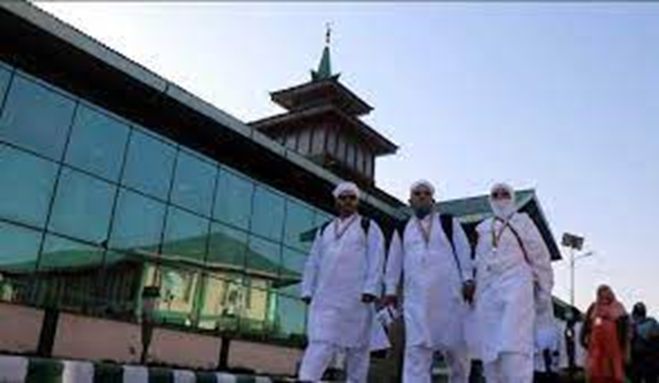
- A Symbol Of Equality, Unity: Hajj gathers Muslims from different nations, cultures, and backgrounds, reinforcing the principle of universal brotherhood. Every pilgrim wears the simple white garment known as Ihram, which symbolizes that all people are equal before Allah, regardless of wealth, status, or nationality. In today’s world, where divisions based on race, nationality, and social status persist, Hajj serves as a reminder that Islam unites all of humanity under the banner of La ilaha illallah (There is no god but Allah). This unity in worship fosters love, harmony, and a sense of belonging among Muslims worldwide.
- A Profound Act of Submission To Allah: Hajj is an act of ultimate submission, where pilgrims retrace the footsteps of Prophet Ibrahim (AS), who built the Kaaba as a sign of his devotion to Allah. By performing rituals such as Tawaf (circumambulating the Kaaba) and Sa’i (running between Safa and Marwah), Muslims demonstrate their obedience to Allah’s commands and their willingness to sacrifice for His sake. This submission strengthens faith and reminds believers that obedience to Allah brings true success in life.
- A Reminder Of The Day Of Judgment: The gathering at Arafah, where pilgrims stand together in prayer and supplication, serves as a powerful reminder of the Day of Judgment. On that day, all of humanity will stand before Allah, awaiting their fate. Hajj instills humility, self-reflection, and a sense of accountability, making believers more conscious of their actions in daily life. This reflection is essential, as it encourages people to be mindful of their behavior and treatment of others.
- A Source Of Immense Reward: Hajj carries great rewards in the sight of Allah. The Prophet ﷺ said: “The reward for an accepted Hajj is nothing less than Paradise” (Bukhari & Muslim). This highlights the importance of performing Hajj sincerely, as it has the potential to transform one’s life spiritually and morally.
“Haqooq-ul-Ibad ensures that a person also fulfills their social and ethical duties, treating others with fairness, kindness, and respect. A true Muslim is one who worships Allah sincerely while also upholding justice, honesty, and compassion in their dealings with others. Only by maintaining this balance can a believer attain success in both this world and the hereafter.”
- The Significance Of Umrah: Although Umrah is not an obligatory act like Hajj, it holds immense value in Islam. It is often referred to as the lesser pilgrimage, but it carries great spiritual benefits for those who perform it.
- Expiation of Sins: One of the greatest benefits of Umrah is that it serves as an expiation for past sins. The Prophet ﷺ said: “An Umrah to another Umrah is an expiation for the sins committed between them” (Bukhari & Muslim). This means that each Umrah provides a fresh spiritual start, purifying a believer’s soul.
- Seeking Allah’s Mercy, Forgiveness: By performing Tawaf around the Kaaba and engaging in supplication, a believer experiences deep spiritual connection and renewal. The presence in Makkah, the holiest place in Islam, inspires a sense of gratitude, devotion, and sincerity in prayer.
- Strengthening Of Faith: Standing before the Kaaba, performing the rituals of Sa’i and Tawaf, and engaging in acts of worship deeply strengthen a Muslim’s faith. The experience of being in Makkah fosters patience, humility, and a renewed sense of purpose in life.
- A Source Of Continuous Blessings: The Prophet Muhammad ﷺ encouraged performing Hajj and Umrah regularly, saying: “Perform Hajj and Umrah consecutively, for they remove poverty and sins as the bellows remove impurity from iron.” (Tirmidhi). This Hadith highlights that Umrah brings not only spiritual purification but also material blessings and barakah in life.
- Haqooq-ul-Ibad (The Rights of People in Islam): While Hajj and Umrah focus on fulfilling the rights of Allah (Haqooq-Allah), Islam equally emphasizes Haqooq-ul-Ibad, which are the obligations and responsibilities toward other human beings. Allah may forgive shortcomings in worship, but He does not forgive the injustices committed against others unless the wronged person forgives.
- Justice, Honesty: Islam commands fairness in all dealings, whether in business, family relations, or social conduct. The Quran states: “And establish weight in justice and do not make the balance deficient” (Surah Ar-Rahman 55:9). Being truthful and just is an essential part of faith, and dishonesty or injustice is strongly condemned.
- Helping Others,Charity: Islam places great emphasis on helping the poor, supporting the needy, and promoting the welfare of society. The Prophet ﷺ said: “The best among you are those who bring the most benefit to others” (Hadith). Charity (Sadaqah), kindness, and selflessness are highly rewarded in Islam.
- Respect,Good Conduct: The Prophet ﷺ taught that true faith is reflected in how one treats others. He said: “None of you truly believes until he loves for his brother what he loves for himself” (Bukhari & Muslim). This Hadith emphasizes the importance of mutual respect, empathy, and ethical behavior.
- Fulfilling Promises, Commitments: Islam commands believers to honor their commitments and keep their word. The Quran states: “And fulfill every commitment. Indeed, the commitment is ever [that about which one will be] questioned” (Surah Al-Isra 17:34). Breaking promises or betraying trust is a major sin in Islam.
- Balancing Worship, Social Responsibility: Islam is not just about performing rituals; it is about leading a righteous and ethical life. A true believer balances Haqooq-Allah (the rights of Allah) and Haqooq-ul-Ibad (the rights of people) to attain true righteousness. The Prophet ﷺ beautifully summarized this balance: “The most beloved people to Allah are those who are most beneficial to others” (Hadith). This means that a person who prays, fasts, and performs Hajj and Umrah but neglects their responsibilities toward others has not fully embodied Islamic teachings.
Conclusion: Hajj and Umrah are powerful acts of devotion that cleanse the soul, strengthen faith, and bring believers closer to Allah. However, Islam teaches that true righteousness is not limited to worship alone. Haqooq-ul-Ibad ensures that a person also fulfills their social and ethical duties, treating others with fairness, kindness, and respect. A true Muslim is one who worships Allah sincerely while also upholding justice, honesty, and compassion in their dealings with others. Only by maintaining this balance can a believer attain success in both this world and the hereafter.
(The author is a freelancer. The views, opinions and conclusions expressed in this article are those of the author and aren’t necessarily in accord with the views of “Kashmir Horizon”)





