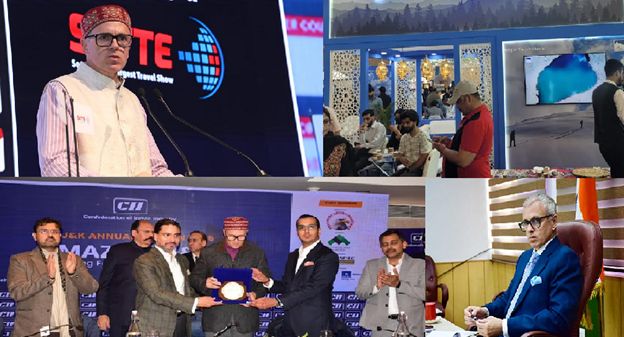
“CM Omar Abdullah’s speech at SATTE 2025 underscored the region’s diverse tourism potential, from adventure and heritage to wellness and border tourism. With substantial investments in infrastructure, air connectivity, and the hospitality sector, the state is ensuring a smoother and more enriching experience for travelers. The growth of domestic tourism, despite international travel advisories, signals renewed trust in the region’s safety and hospitality. By showcasing its evolving attractions and lesser-explored destinations, J&K is making a strong case for itself as a premier travel destination, reaffirming its place as paradise on earth.”
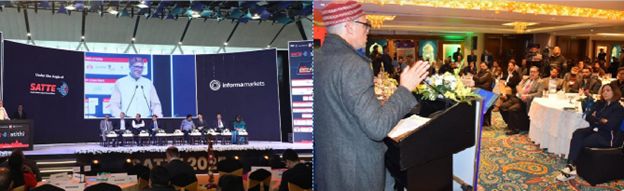
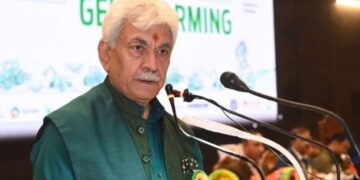
This week, Chief Minister Omar Abdullah’s recent address at the South Asia’s Travel & Tourism Exchange (SATTE) 2025 in New Delhi provided a comprehensive overview of Jammu and Kashmir’s tourism industry, emphasizing its potential, challenges, and ongoing efforts to re-establish the region as India’s premier travel destination. His speech was not merely an invitation but a strategic push to reshape perceptions about J&K, an area long known for its unparalleled beauty but also for the turbulence that affected its tourism industry over the last three decades.
J&K; A Year-Round Destination For Every Traveler: CM Omar Abdullah passionately highlighted that Jammu and Kashmir caters to diverse travelers—whether for pilgrimage, leisure, adventure, or even social media tourism. From scenic landscapes and religious sites to adventure sports and luxury resorts, J&K has a broad appeal. By positioning the region as a year-round destination, Abdullah aimed to dispel the notion that Kashmir is only suitable for winter tourism. The participation of J&K in SATTE 2025 served as a testament to the region’s renewed focus on boosting tourism through national and international collaborations.
The Historical, Cultural Magnetism of Kashmir: The Chief Minister reiterated the famous Persian couplet by Amir Khusrau, etched into the walls of the Red Fort, which describes Kashmir as a paradise on Earth. Historically, the valley has been a preferred destination for honeymooners, Bollywood filmmakers, and nature lovers alike. Abdullah reminded the audience of a time when no Bollywood film was considered complete without at least one scene shot in Kashmir’s iconic mustard fields or snow-clad mountains. However, he also acknowledged the difficulties the region has faced due to prolonged conflicts, which led to a decline in international tourist arrivals.
Overcoming Decades Of Turmoil: A significant portion of Abdullah’s address was dedicated to recognizing the challenges that have plagued J&K’s tourism industry for nearly 35 years. He metaphorically referred to the ‘evil eye’ that seemed to have cast a shadow over the state’s unmatched beauty. However, he expressed optimism, stating that J&K is now emerging from these difficult times and regaining its status as a leading tourist destination in India. Domestic tourism, he noted, has witnessed a substantial revival. Despite persistent travel advisories from international embassies, the upward trend in footfall indicates growing confidence among travelers. Abdullah urged the global tourism community to look beyond past narratives and experience the new Jammu and Kashmir firsthand.
Investment, Infrastructure Growth: CM Abdullah emphasized that J&K is not merely relying on its historical appeal but actively expanding its tourism offerings. The region presents lucrative investment opportunities in the hospitality sector, adventure tourism, wellness tourism, and heritage conservation. His invitation to investors was a clear indication that the government is prioritizing tourism as a major economic driver. Infrastructure developments, such as improved air connectivity and the long-awaited railway link, are crucial for boosting tourism. Abdullah acknowledged the past limitations of air travel but reassured visitors that today, J&K is well-connected with direct flights from multiple Indian cities. Furthermore, the impending rail connectivity will significantly enhance accessibility, making travel to J&K seamless and efficient.
Exploring Beyond The Usual; Emerging Destinations In J&K: Traditionally, Kashmir’s tourism has been associated with destinations like Gulmarg and Pahalgam. However, Abdullah sought to shift the focus toward lesser-known yet equally mesmerizing locations:
- Sonamarg: Now accessible throughout the year, thanks to the new tunnel, Sonamarg is becoming a favored winter destination.
- Gurez Valley: Once off the tourism radar, Gurez is now rapidly emerging as a sought-after destination for offbeat travelers.
- Border Tourism: Areas such as Tangdhar, Machhil, Karnah, and Keran are being promoted to attract tourists looking for unique experiences near the Line of Control.
- Bangus, Doodhpathri: These lesser-known meadows are gaining traction among nature enthusiasts and adventure seekers.
- J&K As An Adventure Tourism Hub: J&K’s topography makes it ideal for adventure sports. Abdullah highlighted the opportunities in skiing, river rafting, and trekking, which are steadily drawing adventure tourists to the region. Water skiing on Dal Lake and Mansar is also gaining popularity. With global adventure tourism on the rise, Jammu and Kashmir is well-positioned to capitalize on this trend by offering world-class adventure activities.
Wellness, Sports Tourism; A New Frontier: The Chief Minister also emphasized the growing importance of wellness tourism, with J&K becoming an emerging destination for rejuvenation retreats and health tourism. Additionally, sports tourism is being actively promoted, with events such as the inaugural Kashmir Marathon and upcoming Jammu Ultra Marathon set to attract both national and international athletes. This diversification within the tourism sector signals J&K’s commitment to sustainable and long-term growth.
“Expanding community-based tourism programs can further empower local populations, ensuring that the economic benefits of tourism reach the grassroots level. By fostering responsible tourism practices, engaging local stakeholders, and continuously upgrading tourism infrastructure, Jammu and Kashmir can position itself as a world-class destination while preserving its unique cultural and natural heritage. With persistent efforts, J&K has the potential to redefine its identity and emerge as a beacon of sustainable and inclusive tourism in India.”
Combating Negative Perceptions: Chief Minister Omar Abdullah addressed the skepticism surrounding safety concerns in Jammu and Kashmir. While acknowledging that the region has often been in the news for the wrong reasons, he urged travelers to experience J&K firsthand rather than relying on outdated narratives. His assertion that visitors will leave with the “best of memories” was a strategic attempt to reassure potential tourists and investors alike. Jammu and Kashmir’s tourism revival is not just about reclaiming its past glory but about building a sustainable future. CM Omar Abdullah’s speech at SATTE 2025 underscored the region’s diverse tourism potential, from adventure and heritage to wellness and border tourism. With substantial investments in infrastructure, air connectivity, and the hospitality sector, the state is ensuring a smoother and more enriching experience for travelers. The growth of domestic tourism, despite international travel advisories, signals renewed trust in the region’s safety and hospitality. By showcasing its evolving attractions and lesser-explored destinations, J&K is making a strong case for itself as a premier travel destination, reaffirming its place as the “paradise on earth.” He reminisced about the significance of J&K in Indian culture, mentioning that no honeymoon was complete without a stay on the houseboats of Dal Lake, and that Bollywood films often featured the region’s picturesque landscapes including mustard fields or from the snow-capped mountains of Kashmir. However, the Chief Minister said that “Jammu and Kashmir is not resting on its laurels or trying to sell you a sob story…it has something for everyone…it is the right place now for any investment in the tourism industry”. Abdullah asserted that J&K is a year-round destination, suitable for pilgrims, wedding celebrations, adventure seekers, and those looking to unwind in a scenic environment. “Jammu is known as the city of temples, and there is significant potential for heritage and border tourism. Places like Gurez, once relatively unknown, are now among the fastest-growing tourist areas,” he said. “…Kashmir border tourism on the Line of Control with Pakistan, whether we talk about Tangdhar, Machil, Karnah or Keran, these areas are seeing increasing numbers of visitors. J&K is about new meadows like Bangus and Doodhpathri,” he said. The Chief Minister also referred to the potential of adventure tourism and said rafting in rivers, skiing in mountains, water skiing in Dal lake and Mansbal lake are yet to be fully explored. “I have often said J&K is heaven on earth long before Kerala became the God’s own country. Please look at J&K as a destination for your next holiday, for your next visit, or for holding your conference or seminar,” he said.
Kashmir Horizon View: Jammu and Kashmir’s tourism sector is undergoing a crucial transformation, aiming to balance economic growth with sustainable practices. The region’s natural beauty, coupled with its deep cultural heritage, remains a powerful attraction. The government’s efforts in improving connectivity, expanding tourism infrastructure, and diversifying tourism offerings are proving instrumental in reviving the industry. While challenges persist, the rise in domestic tourism and renewed interest from global travelers suggest that J&K is on the right track. With a strong emphasis on promoting lesser-known destinations, adventure tourism, and wellness retreats, the state is broadening its appeal beyond traditional attractions. To sustain this momentum, a structured and long-term approach is required. Strengthening security measures and implementing strategic marketing campaigns will be essential to counter any lingering safety concerns. Encouraging collaborations with international travel influencers, leveraging digital marketing strategies, and fostering global partnerships will help in reshaping the perception of J&K as a secure and must-visit destination. Additionally, easing travel restrictions and advocating for revised travel advisories from foreign governments could significantly boost international tourist arrivals. Moreover, investment in sustainable tourism is crucial. The government must enforce policies that protect J&K’s fragile environment while promoting eco-friendly tourism initiatives. Expanding community-based tourism programs can further empower local populations, ensuring that the economic benefits of tourism reach the grassroots level. By fostering responsible tourism practices, engaging local stakeholders, and continuously upgrading tourism infrastructure, Jammu and Kashmir can position itself as a world-class destination while preserving its unique cultural and natural heritage. With persistent efforts, J&K has the potential to redefine its identity and emerge as a beacon of sustainable and inclusive tourism in India.
(In commitment to continuous improvement the “Team Kashmir Horizon” invites it’s valuable readers to share their valuable feedback and suggestions with the “Team Kashmir Horizon”. The insights of readers will surely play a vital role in improving the content quality of “Kashmir Horizon” and contribute more for the empowerment of people. Please feel free to reach out to us at editor@ thekashmirhorizon.com. Team “Kashmir Horizon” eagerly anticipates thoughts and ideas of it’s readers, which will help us serve people and even more effectively. The inputs of valuable readers are highly valued as “Kashmir Horizon” strives to provide it’s readers the best possible experience. Thank you for being a part of the reader community!)