

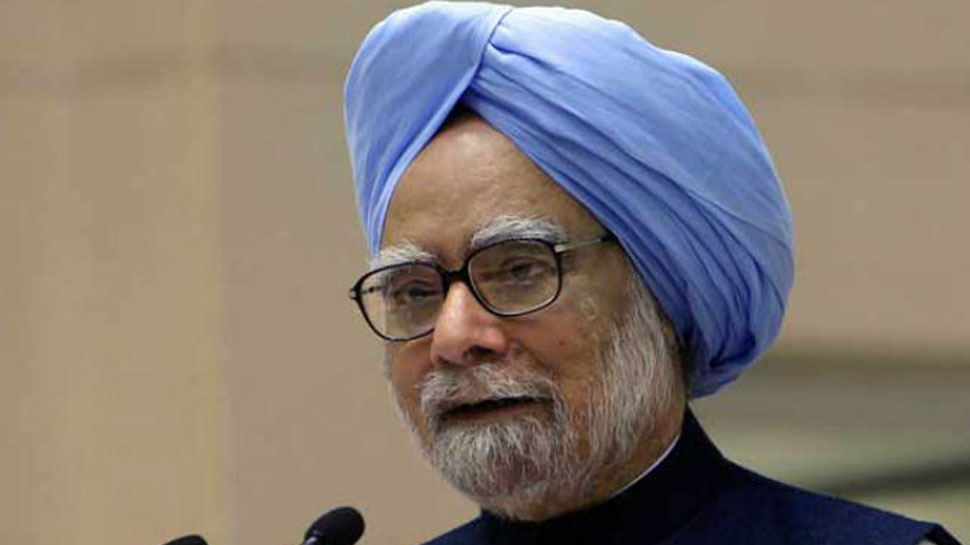
Dr. Manmohan Singh, one of India’s most distinguished leaders and a globally acclaimed economist, stands as a towering figure in modern Indian history. Renowned as the architect of India’s economic liberalization, his vision and foresight reshaped the nation’s economic landscape and positioned it on the global stage. His tenure as Prime Minister and his lifelong dedication to public service reflect the profound impact he has had on India’s growth and development.
A Lifelong Commitment To Public Service: Born on September 26, 1932, in the small village of Gah (now in Pakistan), Dr. Singh’s journey from humble beginnings to global recognition is an inspiring story of perseverance and brilliance. After completing his undergraduate studies at Punjab University, he pursued a master’s degree at the University of Cambridge and later earned a doctorate in economics from the University of Oxford, solidifying his reputation as an economic thought leader. Before entering politics, Dr. Singh held key positions in public service, including Chief Economic Advisor, Governor of the Reserve Bank of India, and Deputy Chairman of the Planning Commission. These roles not only showcased his expertise but also prepared him for his transformational role as Finance Minister and later as Prime Minister.
The Architect Of Economic Liberalization: Dr. Singh’s tenure as Finance Minister from 1991 to 1996 under Prime Minister P.V. Narasimha Rao marked a turning point in India’s economic history. At a time of severe financial crisis, with dwindling foreign exchange reserves and a stagnant economy, he introduced bold reforms to liberalize the economy, dismantle the License Raj, and open India to globalization. These reforms led to: Increased foreign investments, Greater access to global markets for Indian businesses and Significant reductions in poverty rates.
Dr. Singh’s efforts earned him the title of the “Father of India’s Economic Reforms,” laying the foundation for the nation’s modern economic success.
“In an era often dominated by populism and divisive politics, Dr. Singh’s principled approach stands as a beacon of hope. His legacy reminds us that true leadership lies in serving the nation with wisdom, humility, and an unwavering commitment to progress. As we reflect on his remarkable journey, we honor a leader who dedicated his life to building a better, stronger, and more inclusive India—a legacy that will endure for generations to come.”
A Decade of Leadership As Prime Minister: As India’s 14th Prime Minister (2004–2014), Dr. Singh led the country through a period of remarkable economic growth and transformation. His leadership emphasized inclusive development, social welfare, and a pragmatic foreign policy.
Key initiatives of his tenure included:
1. Mahatma Gandhi National Rural Employment Guarantee Act (MGNREGA): This program provided guaranteed employment to rural households, reducing poverty and empowering marginalized communities.
2. Right To Information Act (RTI): This transformative legislation promoted transparency and accountability, revolutionizing governance.
3. India-U.S. Civil Nuclear Agreement: Despite political opposition, Dr. Singh secured a historic nuclear deal, boosting India’s energy security and global standing.
4. Investments In Education And Healthcare: New IITs, IIMs, and AIIMS institutions expanded access to quality education and healthcare.
5. Infrastructure Development Programs: Initiatives like Bharat Nirman and the National Rural Health Mission strengthened rural infrastructure and healthcare.
Global Leadership And Diplomacy: Dr. Singh’s calm demeanor and economic expertise positioned India as a respected global player. Under his leadership India strengthened ties with major powers, including the U.S., Russia, and China, the country played an active role in global forums like the G20 and BRICS, His advocacy for a multipolar world emphasized global peace and cooperation.
The Embodiment of Integrity And Humility: Dr. Singh’s personal values of integrity and humility set him apart. Known for his ethical governance and unassuming nature, he commanded respect across political divides. Even during challenging times, his personal reputation remained untarnished.
Challenges And Criticisms: Like all leaders, Dr. Singh faced his share of challenges. Allegations of corruption and perceived policy paralysis during his tenure were criticized. However, his resilience and unwavering focus on long-term national interests have left an enduring legacy.
A Legacy For Generations: Dr. Manmohan Singh’s life exemplifies the transformative power of knowledge, vision, and integrity. From steering India through an economic crisis to fostering inclusive growth and global leadership, his contributions continue to inspire generations. In an era often dominated by populism and divisive politics, Dr. Singh’s principled approach stands as a beacon of hope. His legacy reminds us that true leadership lies in serving the nation with wisdom, humility, and an unwavering commitment to progress. As we reflect on his remarkable journey, we honor a leader who dedicated his life to building a better, stronger, and more inclusive India—a legacy that will endure for generations to come.
(The author is freelancer. The views, opinions and conclusions expressed in this article are those of the author and aren’t necessarily in accord with the views of “Kashmir Horizon”)
Ahmad Ayaz
[email protected]






