

In a nation as diverse and populous as India, the concept of reservation has always been a complex and contentious issue. Post-independence, India’s leaders faced the monumental task of fostering an inclusive society. To uplift communities that had endured generations of social discrimination, the reservation system was introduced, initially benefiting Scheduled Castes (SC), Scheduled Tribes (ST), and later, Other Backward Classes (OBC). The intent was to provide these groups a head start in education, employment, and political representation, leveling the playing field. However, over time, the system has evolved in ways that have occasionally strayed from its original purpose. As the years passed, reservations based on caste and religion has led to unintended consequences. Rather than eroding social divides, they have sometimes deepened them, fueling identity-based competition for scarce resources. This competition has frequently led to social tensions, with communities vying for inclusion in reservation quotas. In Jammu and Kashmir (J&K), recent amendments to reservation policies have intensified these challenges, sparking significant protests. Currently, rising unemployment in Jammu and Kashmir has fueled growing frustration among students and job aspirants, especially open merit candidates who feel that the revised reservation policies undermine their efforts and aspirations. Traditionally, the region’s reservation system was designed to address inequalities faced by socially and economically disadvantaged communities. However, after the abrogation of Article 370 in 2019, the implementation of Central Government policies expanded the scope of reservations. This included the introduction of new categories and a significant increase in the overall quota for reserved seats in education and employment exceeding 60% which drastically reduced opportunities for open merit candidates. As a result, many students feel their years of hard work and preparation are being overshadowed by a system they perceive as increasingly inequitable. Open merit candidates argue that the decreasing percentage of unreserved seats threatens fair competition and the core principle of meritocracy. For many, years of intense preparation for competitive exams now feel in vain. A student protesting ASCOMS Jammu recently voiced this frustration, stating, “I studied tirelessly to secure a seat in medical college, but the new reservation policy has severely diminished my chances of securing a Govt job.” While there is general support for the need for affirmative action, many contend that it should not come at the cost of merit and fairness. On the other hand, advocates of the current system contend that expanded reservations help bridge historical inequities, ensuring representation for marginalized groups. Critics, however, warn that over-reliance on reservations risks creating new imbalances and resentment among excluded groups. They call for a more balanced approach, the one that combines merit-based criteria with targeted financial and educational support for disadvantaged communities, rather than blanket quotas. Thus, to address these concerns, policymakers must adopt a nuanced and inclusive approach.
By prioritizing economic criteria, the system can become a tool for genuine upliftment rather than division. Policymakers must engage in collaborative dialogue with stakeholders to design reforms that balance inclusivity with fairness. Reservations should aim to empower the most disadvantaged without reinforcing divisions. Moving towards an economic-based model can create a unified, equitable, and meritocratic society, allowing India to realize its vision of true equality and opportunity for all.
A fair distribution of seats between reserved and open categories, clear and transparent criteria for reservations, and measures to prevent misuse are essential. Beyond quotas, initiatives such as financial aid, preparatory courses, and skill development programs for underprivileged students can provide more sustainable solutions rather than reservations. Thus, a reservation system that perpetuates division must evolve into one that unites. So there is imediate need of shifting from inherited identities to current realities where I feel that keeping in view the present scenario; the need of the hour is that a paradigm shift is to be required toward economic-based reservations rather than cast, region or religion based reservations could offer a more equitable path forward. In today’s rapidly changing world, where economic disparities often determine access to education, healthcare, and opportunities, relying solely on caste, religion, or region as criteria for reservations feels outdated. Instead, focusing on economic need ensures that resources reach those who are genuinely disadvantaged, regardless of their social identity.
Economic-based reservations shift the focus from inherited disadvantages to current financial realities, addressing inequality without perpetuating divisions based on caste or religion. Such a system would reduce biases and stereotypes, directing resources to those who need them the most. It would also prevent well-off individuals from benefiting unfairly from reservation policies, ensuring that the truly disadvantaged are prioritized. Moreover, an economic criterion upholds the principles of meritocracy, fostering a society where opportunities are awarded based on effort and need rather than identity. This approach can help alleviate resentment among those excluded from current reservation systems, creating a more inclusive and balanced framework for progress. Ultimately, reservations should uplift those in need without deepening social divides. Transitioning to an economically-centered model can promote unity, reduce biases, and align with modern India’s vision of equality and opportunity for all. By prioritizing economic criteria, India can build a future where support is directed to those who need it most, empowering every individual to achieve their potential while fostering a merit-driven, inclusive society. Thus, Reservation, originally envisioned as a tool for social upliftment, has sparked debates on its long-term impact. While it offers opportunities to marginalized communities, critics argue it sometimes perpetuates dependence rather than fostering self-reliance. The gap between equity and equality remains wide, calling for reforms that ensure merit and need coexist. Therefore, it is time to rethink policies to build a society where opportunity is inclusive yet fair for all. To conclude with, reservation policy must evolve to reflect the aspirations of a modern, progressive society. By prioritizing economic criteria, the system can become a tool for genuine upliftment rather than division. Policymakers must engage in collaborative dialogue with stakeholders to design reforms that balance inclusivity with fairness. Reservations should aim to empower the most disadvantaged without reinforcing divisions. Moving towards an economic-based model can create a unified, equitable, and meritocratic society, allowing India to realize its vision of true equality and opportunity for all.
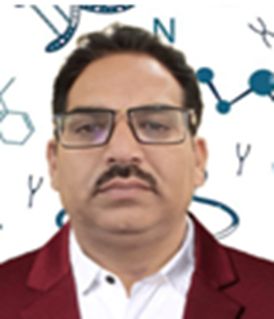
(The author is Associate Professor Chemistry at Govt Gandhi Memorial (GGM) Science College, Jammu. The views, opinions and conclusions expressed in this article are those of the author and aren’t necessarily in accord with the views of “Kashmir Horizon”)






