“This report delves into the key aspects of Abdullah’s recent public addresses and meetings, which range from safeguarding youth well-being against academic pressures to boosting regional economic potential through sustainable practices in floriculture. His efforts to improve governance, enhance transparency, and make use of modern technologies further reflect his progressive outlook for the Union Territory.”
 Jammu and Kashmir’s Chief Minister, Omar Abdullah, has consistently demonstrated his commitment to the region’s growth and well-being through both policy initiatives and public engagements. His leadership is centered on balancing the complex challenges of education, governance, economic development, and societal issues, all while focusing on the holistic development of Jammu and Kashmir’s youth. This report delves into the key aspects of Abdullah’s recent public addresses and meetings, which range from safeguarding youth well-being against academic pressures to boosting regional economic potential through sustainable practices in floriculture. His efforts to improve governance, enhance transparency, and make use of modern technologies further reflect his progressive outlook for the Union Territory.
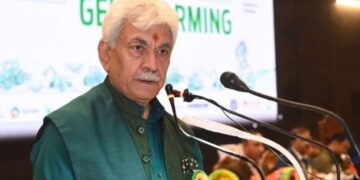
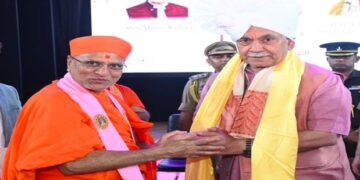
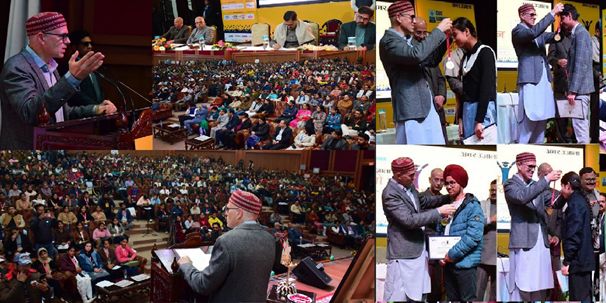
Protecting The Youth, Safeguarding Childhood From Academic Pressure: Chief Minister Omar Abdullah participated as the chief guest at the Amar Ujala Bhavviya Shatra Samman event, a prestigious ceremony organized to honor meritorious students in Jammu. The event focused on celebrating the achievements of students from high schools and intermediate classes. However, amid the accolades and celebratory atmosphere, Abdullah used his platform to discuss a topic close to his heart: the immense pressure the younger generation faces in the academic environment. He lamented that modern education often places unrealistic expectations on students, pushing them to focus solely on achieving academic excellence at the cost of their childhood and mental well-being. According to the Chief Minister, students are often driven to exceed academic cut-offs of 98% or more, an expectation he deemed damaging to their mental health. By emphasizing that “unrealistic pressure steals your childhood,” Abdullah expressed concern about the negative impact of this pressure, which he argued deprives young people of the innocence and joy that are a natural part of youth. This recognition of the pressures faced by students is timely, given the rising mental health concerns and youth-related issues in the region.
Abdullah’s Call To Action Was Clear: youth should not only excel academically but also find time for physical activities, leisure, and personal growth outside of textbooks. He stressed the importance of a balanced approach to life, encouraging students to embrace learning in its broadest sense — from formal education, life experiences, and from each other. Furthermore, Abdullah highlighted the importance of reading beyond textbooks, citing it as a critical activity to relieve stress and broaden intellectual horizons. In his speech, he stated that education is not confined to what is taught in classrooms, but is an ongoing process derived from life’s experiences, personal interactions, and the broader world.
Mental Health, Addiction, Resilience The Key Issues for Youth: A key element of Abdullah’s address was his candid discussion of societal problems, including the rise of drug addiction among the youth of Jammu and Kashmir. While celebrating the accomplishments of the award-winning students, he pointed to the alarming rise in drug-related issues, acknowledging the crisis as a “medically recognized disease” and not just a habit or weakness. He stressed that the region must tackle this issue with the same urgency as any other public health crisis. Abdullah’s intervention on this issue was not just a call to action but also a reminder to the students themselves that they can play an active role in combating this epidemic. He urged the students to be vigilant and supportive of peers who may be struggling with addiction, encouraging them to guide their friends to seek professional help. His statements underscored the importance of community action in addressing the root causes of youth addiction, including stress, isolation, and a lack of support networks. Beyond the immediate concerns of addiction and academic pressure, Abdullah also shared a deeper, personal reflection on life’s transient nature. He reminded the students that neither good nor bad times are permanent, and the true measure of a person’s strength is how they navigate through challenges, setbacks, and achievements. The ability to remain resilient, learn from failures, and continue to pursue one’s goals was a central theme of Abdullah’s address. CM also spoke about his own experiences in political life, where perseverance through difficult times has been crucial. By encouraging the youth to embrace the present moment and prepare for future challenges, Abdullah’s message was one of hope, resilience, and learning. The Chief Minister’s words reminded the students that although difficulties are inevitable, it is how they face these challenges that defines their future success.
Climate Change, A Growing Concern for Future Generations: In an era marked by climate change, Abdullah’s reflection on the environment was another notable part of his address. Drawing from his own childhood memories, he contrasted the stable climate of the past with today’s erratic weather patterns, pointing out the significant degradation of the environment over the years. He expressed deep concern about the world that current generations are inheriting and the responsibility that rests on today’s youth to act before it is too late. Abdullah stressed that the youth of today must lead efforts to mitigate the damage caused by previous generations. As the region faces the increasing impact of climate change, including unpredictable weather, natural disasters, and shifting agricultural patterns, the Chief Minister called for a concerted effort to reverse some of the damage and restore the balance. He concluded his speech with a powerful call for action, hoping that decades from now, when today’s youth are in positions of leadership, they would not feel the same sense of regret that he feels today regarding the environmental degradation. His message was both a reflection on the past and a challenge to the youth to work towards a more sustainable future.
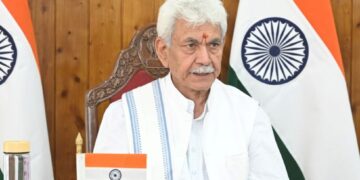
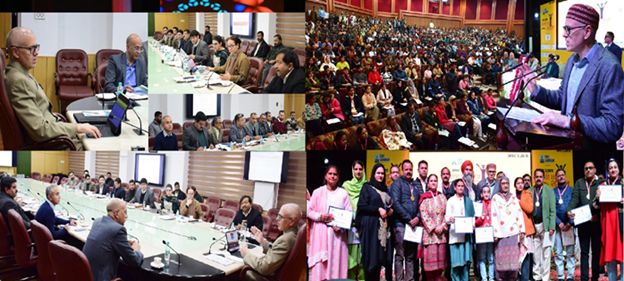
Digital Governance, Transparency; A Vision for the Future: In a meeting held just two days earlier on December 12, 2024, Chief Minister Abdullah reviewed the functioning of the Information Department. The review focused on improving the department’s efficiency and increasing the transparency of government communication. Abdullah emphasized the need to embrace digital platforms for disseminating information more effectively, citing social media as a powerful tool for government outreach and targeted advertising. One of the key points discussed was the importance of transparency in advertising. The Chief Minister pointed out that the department must ensure a fair and impartial system when distributing government advertisements to media houses. Abdullah directed the Information Department to base these advertisements on objective criteria, ensuring that the selection process is transparent and free from bias. He instructed officials to review the Bureau of Outreach, Government of India’s standards for advertisement rates and circulation, ensuring that Jammu and Kashmir’s media houses operate on fair and transparent grounds. The meeting also touched on the growing importance of journalistic accreditation. Abdullah emphasized the need for a clear, transparent, and accessible process for journalists seeking accreditation. He instructed the department to revisit rejected applications and provide clear guidance to applicants, allowing them the opportunity to rectify discrepancies and obtain proper accreditation. This move, Abdullah believes, would not only streamline the process but also help to build a more professional and accountable media landscape in Jammu and Kashmir. In addition, Abdullah addressed the pressing issue of staff shortages within the Information Department, urging for a quick recruitment process to fill vacant positions. He also called for the procurement of modern equipment to improve coverage of government events and functions, further enhancing the quality of media reports and official communication.
“As Jammu and Kashmir continues its journey of development, Omar Abdullah’s emphasis on resilience, balanced growth, and transparency will undoubtedly play a pivotal role in shaping the region’s future. His actions, aimed at reducing pressure on youth, improving governance, and leveraging the region’s natural assets, signal a forward-thinking approach that blends tradition with modernity for the betterment of the Union Territory.”
Leveraging Regional Resources: Floriculture,Economic Growth: In the same review meeting on December 12, Abdullah also chaired a session focused on the Department of Floriculture, Parks, and Gardens, where he discussed strategies to boost the region’s floriculture sector. With the imminent completion of rail connectivity to the Kashmir Valley, Abdullah sees an opportunity to expand the reach of the region’s flower markets not just within India but globally. Abdullah emphasized the importance of collaborating with progressive flower growers and other stakeholders in the region to harness the sector’s full potential. He noted that the upcoming Tulip Show 2024, which will feature 1.7 million tulips, will be a significant milestone in the region’s tourism growth. The tulip show, set to attract more than 4 lakh tourists, reflects the tourism potential of Jammu and Kashmir’s natural resources. Abdullah called for better marketing strategies and advertising campaigns to promote events like the Tulip Show and increase footfall to Srinagar’s iconic Tulip Garden. The review also touched on the ongoing efforts to establish ornamental cherry tree gardens (Sakura) and create a Tulip Garden in Sanasar, both of which have the potential to attract international tourists and contribute to the local economy. Abdullah also directed the department to focus on developing peony and rose gardens at Pahalgam and creating theme gardens at Gulmarg. He further stressed the need to modernize and mechanize the maintenance of gardens and parks to improve their upkeep while optimizing resources for greater financial sustainability. By focusing on modernization, mechanization, and resource optimization, Abdullah’s vision for the floriculture sector goes beyond beautification. He sees it as a key component of tourism growth, economic development, and cultural preservation. The floriculture sector, under his leadership, could become a major driver of employment and revenue for the region.
Kashmir Horizon View: Chief Minister Omar Abdullah’s recent speeches and review meetings offer a comprehensive vision for the future of Jammu and Kashmir. His leadership is characterized by a commitment to youth well-being, governance reform, and the economic empowerment of the region through sustainable resource management. Whether focusing on academic pressures, digital transparency, or the economic potential of floriculture, Abdullah has demonstrated a holistic understanding of the challenges and opportunities that lie ahead. As Jammu and Kashmir continues its journey of development, Omar Abdullah’s emphasis on resilience, balanced growth, and transparency will undoubtedly play a pivotal role in shaping the region’s future. His actions, aimed at reducing pressure on youth, improving governance, and leveraging the region’s natural assets, signal a forward-thinking approach that blends tradition with modernity for the betterment of the Union Territory.
(In commitment to continuous improvement the “Team Kashmir Horizon” invites it’s valuable readers to share their valuable feedback and suggestions with the “Team Kashmir Horizon”. The insights of readers will surely play a vital role in improving the content quality of “Kashmir Horizon” and contribute more for the empowerment of people. Please feel free to reach out to us at editor@ thekashmirhorizon.com. Team “Kashmir Horizon” eagerly anticipates thoughts and ideas of it’s readers, which will help us serve people and even more effectively. The inputs of valuable readers are highly valued as “Kashmir Horizon” strives to provide it’s readers the best possible experience. Thank you for being a part of the reader community!)