Srinagar: Kashmir administration is gearing up for the anticipated challenges of the winter season, with a primary focus on ensuring the smooth supply of essential services like power, heating, and transportation during the harsh months ahead.
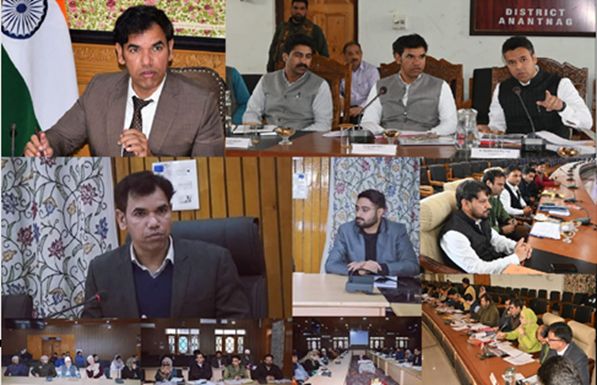
The hapless populations of Kashmir Valley often face significant hardships during this time, particularly with power outages, shortages in gas supply, and difficulties in accessing essential goods. In response, the administration, under the leadership of Omar Abdullah, has launched a series of preparedness measures designed to mitigate these seasonal challenges. One of the key concerns for the people of Kashmir during winter is the provision of uninterrupted electricity. The administration has made promises to ensure a reliable power supply, which is particularly critical as the region faces severe power shortages during peak winter. In a conversation with Kashmir Horizon, Divisional Commissioner Kashmir, V.K. Biduri, provided insights into the ongoing preparedness efforts for the winter season. He said that the administration has conducted thorough reviews throughout October to ensure the uninterrupted delivery of essential services. “We have been working diligently to ensure that essential services remain available to the public, and we are committed to tackling the challenges that winter brings. We went on to highlight those major improvements have been made to maintain access to key roads, which are vital for connectivity during the winter months when heavy snowfall can disrupt travel,” he said. The administration’s preparedness plan includes the completion of snow clearance on priority roads and all other routes within established timelines. This is crucial for ensuring that emergency vehicles and essential supplies can reach remote areas, particularly snowbound regions. Biduri confirmed that personnel and machinery would be deployed by November 15 to ensure that these tasks are completed on time, minimizing disruption to residents and ensuring roads remain open despite the heavy snowfall.
In terms of power supply, Biduri highlighted several measures taken by the administration to address the increased demand during the winter season. As temperatures drop, power consumption rises significantly, and ensuring a stable and reliable power supply is one of the administration’s top priorities. “We have taken extra steps to ensure the grid’s reliability, especially in areas with smart meters, which will now be prioritized for round-the-clock electricity. He explained that the administration has designated around 50 feeders to ensure an uninterrupted power supply, especially in areas with high electricity demand. In addition to these efforts, Biduri issued a warning against using makeshift or crude electrical wiring, which could pose a risk of transformer damage and fire hazards. The administration has stressed the importance of following proper electrical safety standards, particularly as power consumption increases during the winter months. Beyond power supply, the administration has made significant efforts to ensure the availability of essential goods and services for residents, especially those living in remote and inaccessible areas.
The government has worked to stockpile vital supplies such as fuel, LPG, and other necessities to avoid shortages during the winter. Biduri confirmed that by November 15, the administration would have a seven-month supply of fuel and LPG ready for remote areas. Additionally, snowbound regions would have a four-month stockpile of fuel and other essential goods, ensuring that residents do not face shortages during the harsh winter months. The health sector has also been a focus of the administration’s winter preparedness plan. The administration has made arrangements to ensure that healthcare services continue to function smoothly during the winter. Hospitals have tested their heating systems to ensure they are working properly, and the administration has ensured that 4×4 ambulances are available to respond to emergency medical needs. “We have made sure that our healthcare facilities are well-equipped to handle emergencies, and that we can provide essential services to the public during the winter,” said Biduri. This includes ensuring that emergency medical teams are on standby and ready to respond to critical situations. To further improve emergency response capabilities, the administration has made arrangements to set up helicopter services for remote snowbound areas in Jammu and Kashmir. These services will be available for medical evacuations and other emergencies, helping to ensure that people in the most difficult-to-reach areas can still access urgent care and assistance when needed. These services are expected to play a vital role in ensuring that residents in these areas are not left without the help they need during the winter.
In addition to these efforts, the administration has set up control rooms at both divisional and district levels. These control rooms are intended to facilitate effective coordination and ensure a prompt response to any emergencies or challenges that may arise during the winter season. The control rooms will be staffed by officials who are tasked with overseeing the situation on the ground and ensuring that services continue without disruption. Earlier this month, Chief Minister Omar Abdullah chaired a high-level meeting in Srinagar to review the preparedness measures for the upcoming winter season. The meeting focused on the challenges faced by residents in the Kashmir Valley and the snow-prone areas of Jammu. Omar Abdullah stressed the importance of effectively executing the winter preparedness strategy to ensure the continued availability of essential services, even in the most extreme weather conditions. “We have announced our plans, but execution is now crucial. Our preparedness will truly be tested when the first snowfall arrives,” said the Chief Minister. He acknowledged that the prolonged dry spell the region has experienced in recent months has already presented its own set of challenges, including reduced water levels in rivers and streams. This has had a direct impact on power generation, as the decrease in water flow has reduced the capacity of hydroelectric plants. The reduced power generation, combined with the increased demand for electricity, could lead to further power shortages, and the administration is working to find ways to address these issues. CM Omar Abdullah also noted the potential risks posed by the ongoing dry spell. “The dry weather is already creating problems in terms of water scarcity and reduced power generation. As we move into winter, these challenges could intensify, and we must be prepared to handle them,” he said. He called for greater focus on executing the preparedness plans and ensuring that all necessary measures are in place to avoid disruptions to essential services during the winter months. As winter approaches, the administration faces numerous challenges, from ensuring a reliable power supply to making sure that healthcare services remain operational. The effectiveness of the measures put in place by the administration will be tested when the first snowfall hits, and residents are hoping that the promises made by the government will be fulfilled. While some of the preparedness measures, such as the stockpiling of essential goods and the improvement of power supply infrastructure, are steps in the right direction, there is still uncertainty around whether the administration will be able to fully meet the needs of the people, particularly regarding the promises of discounted gas cylinders and free electricity.
CM inaugurates three-day Kashmir Marathon Exposition at Polo View

Omar appeals people to participate enthusiastically in Sunday’s marathon Srinagar| Oct, 10:Chief Minister Omar Abdullah Thursday inaugurated the three-day exposition...
Read moreDetails