“The restoration of statehood remains a key issue for the Omar-led government, especially following the abrogation of Article 370 in August 2019, which resulted in Jammu and Kashmir being downgraded and bifurcated into two Union Territories. The NC’s push for statehood is not just a political maneuver; it is also a reflection of the aspirations of the region’s populace who seek to reclaim their rights and identity.”
 On Thursday, Jammu and Kashmir Chief Minister Omar Abdullah made his inaugural visit to New Delhi following his assumption of office last week. This visit marks a significant moment in the political landscape of Jammu and Kashmir, as it coincides with the aftermath of a historic electoral victory for Abdullah’s National Conference (NC). In a notable achievement, the party secured 42 out of 90 assembly seats during the first assembly elections in the region in a decade. The meeting with Prime Minister Narendra Modi was anticipated as a pivotal step in addressing various issues facing the union territory.
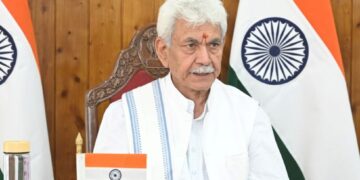
Assembly Polls,A Turning Point: The recent assembly elections represent a critical turning point for Jammu and Kashmir. For the first time in ten years, voters had the opportunity to express their political preferences. Abdullah’s National Conference, which has a rich legacy in the region, emerged victorious, signaling a renewed trust in its leadership. The victory is not only a testament to the party’s enduring influence but also reflects the aspirations of the local populace for a government that addresses their unique challenges and needs. During the initial cabinet meeting of the newly formed government, a resolution was passed urging the central government to restore statehood to Jammu and Kashmir. Officials indicated that the restoration of statehood is viewed as an essential step toward initiating a healing process in the region, reinstating constitutional rights, and preserving the distinct identity of its residents. The resolution received the endorsement of Jammu and Kashmir’s Lieutenant Governor Manoj Sinha, emphasizing a united front on this crucial issue.
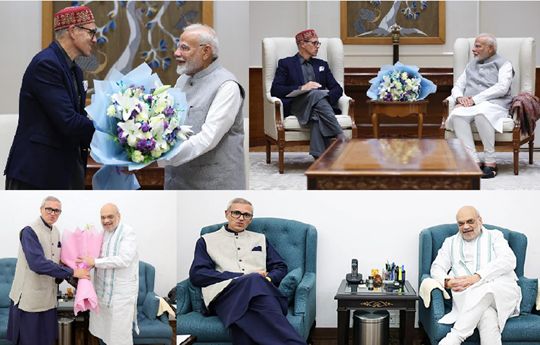
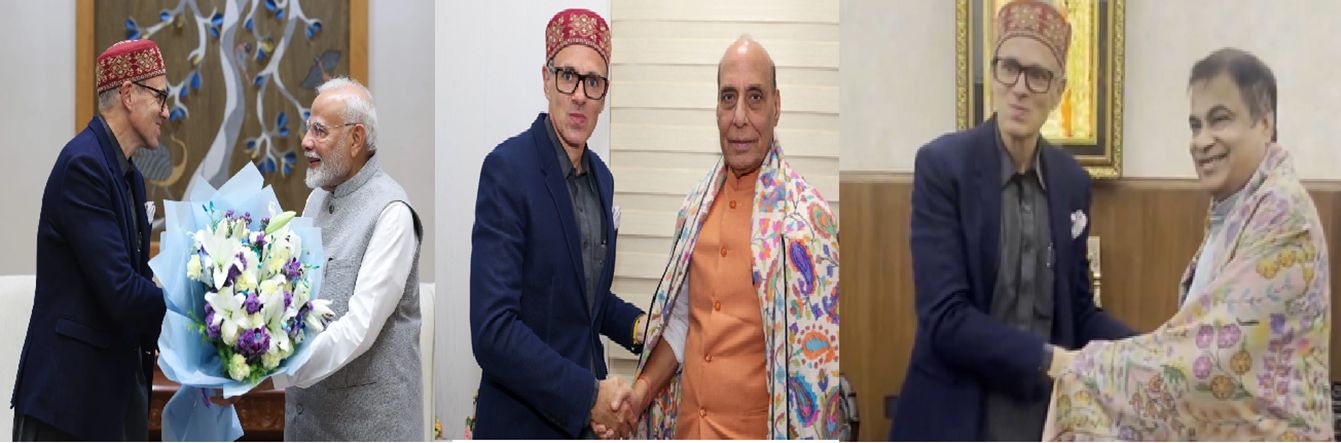
A Meeting with PM Modi: Omar Abdullah’s meeting with Prime Minister Narendra Modi took place four days after a tragic incident in Ganderbal district, where militants killed seven individuals, including a local doctor and six non-local laborers. The timing of the meeting highlights the pressing security challenges faced by the newly elected government, underscoring the importance of a collaborative approach to governance and security in the region. Earlier on the same day, Abdullah met with Union Minister of Road Transport and Highways Nitin Gadkari, where he briefed him on various road connectivity projects in Jammu and Kashmir. The Chief Minister presented Gadkari with a traditional Kashmiri shawl, symbolizing the region’s rich culture and heritage. Such gestures are significant in Indian politics, where personal connections often play a crucial role in political negotiations.
Meetings with Top Union Ministers: On Wednesday, Abdullah had a productive 30-minute meeting with Union Home Minister Amit Shah, during which the Chief Minister was assured of comprehensive support for the restoration of statehood. This meeting was particularly important as it laid the groundwork for discussions on various pressing issues in Jammu and Kashmir. Abdullah presented Shah with the cabinet resolution advocating for the restoration of statehood, further demonstrating the new government’s commitment to this goal. Abdullah’s engagements with other key ministers, including Defence Minister Rajnath Singh, reinforced the National Conference’s proactive approach to governance. The NC spokesperson, Tanvir Sadiq, confirmed that the discussions encompassed a range of topics beyond statehood, indicating a broad agenda aimed at addressing the complexities of governance in Jammu and Kashmir.
Political Reactions And Future Considerations: The discussions surrounding statehood restoration have elicited varied responses from political leaders in Jammu and Kashmir. BJP’s J&K General Secretary Ashok Koul emphasized that the final decision on statehood would depend on the cessation of violent incidents, particularly those perpetrated by militant groups. Koul stated that the J&K unit and central leadership had consistently maintained that statehood would be restored at the appropriate time, but he reiterated the need for security and stability as prerequisites for such a decision. The prevailing sentiment among BJP leaders suggests a cautious approach, with an emphasis on security as a determinant for restoring statehood. Koul highlighted the unfortunate timing of the recent Ganderbal attack, stressing the need for ongoing vigilance and proactive measures to ensure public safety. He reiterated that discussions with Pakistan regarding peace should only resume once it ceases its support for militancy.
Public Sentiment and Calls for Accountability: The civilian killings, particularly the recent attack in Ganderbal, have sparked widespread outrage and condemnation. Lieutenant Governor Manoj Sinha vowed to ensure that security forces would hold those responsible accountable for these heinous acts. The people of Jammu and Kashmir are yearning for a return to normalcy and prosperity, a sentiment echoed by Sinha, who stressed that development must occur through a popularly elected government, reflecting the democratic ethos of the region. The restoration of statehood remains a key issue for the Omar-led government, especially following the abrogation of Article 370 in August 2019, which resulted in Jammu and Kashmir being downgraded and bifurcated into two Union Territories. The NC’s push for statehood is not just a political maneuver; it is also a reflection of the aspirations of the region’s populace who seek to reclaim their rights and identity.
Abdullah’s Meeting with Modi; A Historic Moment: Omar Abdullah’s meeting with Prime Minister Modi, occurring after five years since the abrogation of Article 370, carries historical significance. Abdullah, along with his father, Farooq Abdullah, and other senior party leaders, had previously engaged with the Prime Minister just days before the controversial decision to revoke the region’s special status. The recent meeting allows Abdullah to present not only the cabinet resolution on statehood but also to advocate for the interests of the people of Jammu and Kashmir directly to the highest levels of government. Both Prime Minister Modi and Home Minister Shah have previously indicated their commitment to restoring statehood but without specifying a timeline. This ambiguity leaves room for speculation and concern among the populace, who are eager for tangible progress. Interestingly, the Supreme Court has agreed to hear a plea seeking the restoration of statehood, reflecting a growing legal and political momentum surrounding this issue.
“The future of Jammu and Kashmir hinges on the ability of the new government to navigate the complexities of governance while prioritizing the aspirations of its people. By focusing on restoring statehood, enhancing security, promoting economic development, and engaging with the community, the Omar-led administration can pave the way for a more prosperous and peaceful Jammu and Kashmir. The road ahead will require resilience, collaboration, and a steadfast commitment to upholding the region’s unique identity and democratic values.”
The Call For Sensitivity And Long-Term Vision: In Jammu, BJP leader Ravinder Raina emphasized the need for careful consideration of the restoration of statehood, framing it as a sensitive issue that requires collaboration between the Central and State governments. Raina highlighted the importance of peace and security, noting that development can only occur in an environment free from militancy and extremism. The BJP’s cautious stance underscores the complexities of governance in a region where security remains a paramount concern. As Jammu and Kashmir embarks on this new political journey under Abdullah’s leadership, the focus will be on balancing the aspirations for statehood with the immediate need for security and stability. The dialogue between the NC and the central government will play a crucial role in shaping the future of Jammu and Kashmir, determining whether the promises made during the elections can be transformed into reality.
A Hopeful Future? Omar Abdullah’s first visit to New Delhi as Chief Minister is a crucial chapter in the ongoing saga of Jammu and Kashmir’s political evolution. The resolution for statehood, combined with the Chief Minister’s proactive engagement with key figures in the central government, signals a renewed commitment to addressing the pressing challenges faced by the region. As the new government navigates the complexities of governance, the hope for a stable and prosperous Jammu and Kashmir is palpable among its residents. The coming weeks and months will be pivotal in determining whether the aspirations for statehood and peace can be realized. The collaborative efforts between the state government and the central authorities will be instrumental in restoring the confidence of the people and ensuring that the rich cultural heritage and unique identity of Jammu and Kashmir are preserved for future generations.
Kashmir Horizon View: The recent developments in Jammu and Kashmir, particularly Omar Abdullah’s inaugural visit to New Delhi as Chief Minister, mark a pivotal moment in the region’s political trajectory. Abdullah’s engagement with Prime Minister Narendra Modi and other Union ministers underscores the National Conference’s commitment to addressing pressing issues, notably the restoration of statehood. The passing of a resolution advocating for this restoration reflects the urgency and importance of the matter for the residents of Jammu and Kashmir. It is crucial for the new government to maintain momentum in its dialogue with the central authorities to bring this aspiration closer to reality. In addition to political aspirations, the new administration faces significant challenges in ensuring public safety amid recent acts of violence, particularly the tragic Ganderbal attack. Addressing security concerns must be a top priority for the government, as a stable environment is essential for fostering public trust and enabling effective governance. Collaborating with security forces to implement comprehensive measures against militancy, while ensuring the safety of civilians, will not only help restore peace but also reassure the populace that their government is actively working to protect their lives and livelihoods. The path forward also necessitates a strong focus on economic development. The government should prioritize infrastructure projects, job creation, and support for local industries to rejuvenate the economy of Jammu and Kashmir. Enhancing road connectivity, as discussed with Union Minister Nitin Gadkari, can significantly impact the region by facilitating trade and tourism, both of which are integral to economic revitalization. By addressing economic challenges, the administration can foster a sense of hope and stability among residents who have long endured the ramifications of conflict. Community engagement will also be crucial in this new political landscape. Building trust with the local populace through transparent communication and active involvement in decision-making processes can enhance public confidence in the government. This approach will foster a sense of ownership among the people, empowering them to voice their concerns and aspirations. Recognizing and addressing the grievances of diverse communities within Jammu and Kashmir will further strengthen this trust and promote social cohesion. In summary, the future of Jammu and Kashmir hinges on the ability of the new government to navigate the complexities of governance while prioritizing the aspirations of its people. By focusing on restoring statehood, enhancing security, promoting economic development, and engaging with the community, the Omar-led administration can pave the way for a more prosperous and peaceful Jammu and Kashmir. The road ahead will require resilience, collaboration, and a steadfast commitment to upholding the region’s unique identity and democratic values.
(In commitment to continuous improvement the “Team Kashmir Horizon” invites it’s valuable readers to share their valuable feedback and suggestions with the “Team Kashmir Horizon”. The insights of readers will surely play a vital role in improving the content quality of “Kashmir Horizon” and contribute more for the empowerment of people. Please feel free to reach out to us at editor@ thekashmirhorizon.com. Team “Kashmir Horizon” eagerly anticipates thoughts and ideas of it’s readers, which will help us serve people and even more effectively. The inputs of valuable readers are highly valued as “Kashmir Horizon” strives to provide it’s readers the best possible experience. Thank you for being a part of the reader community!)