“The lack of a unified voice makes it difficult for the Ummah to address these problems effectively. A fragmented community is less able to advocate for its rights or to respond collectively to crises.”
The concept of unity within the Muslim Ummah (community) is a fundamental aspect of Islamic teachings, rooted in the Quran and the Hadith. The Ummah, comprising over a billion individuals globally, transcends geographical, cultural, and linguistic boundaries. Despite this diversity, the need for unity among Muslims has never been more pressing, given the challenges faced by the community today. Historically, the unity of the Ummah has been emphasized since the time of the Prophet Muhammad (SAW). The early Muslim community was marked by solidarity and cooperation, which allowed it to flourish despite external threats. However, over the centuries, political, sectarian, and cultural divisions have emerged, weakening the collective strength of Muslims. The fragmentation has often been exploited by external forces, leading to conflicts that detract from the core teachings of Islam, which advocate for compassion, solidarity, and mutual support. Today, Muslims face numerous challenges, including political instability, economic inequality, and social injustice. In many regions, Muslims are subjected to discrimination, violence, and marginalization. These issues are often exacerbated by internal divisions based on sect, ethnicity, or national identity. The lack of a unified voice makes it difficult for the Ummah to address these problems effectively. A fragmented community is less able to advocate for its rights or to respond collectively to crises. Furthermore, global issues such as climate change, poverty, and health crises require a united approach. The interconnected nature of these challenges means that a lack of solidarity can lead to missed opportunities for collaboration and support. The Muslim Ummah, with its vast resources and diverse talents, has the potential to contribute significantly to solutions that benefit not only Muslims but humanity as a whole. From a theological perspective, unity is a prerequisite for fulfilling the collective responsibilities outlined in Islam.
“By overcoming divisions and working collaboratively, Muslims can create a more just and equitable world. Unity is not merely a lofty ideal; it is a practical necessity that holds the key to the future of the Ummah and its role in the global community. The time to act is now, as the collective strength of the Ummah can pave the way for a more harmonious and prosperous future for all.”
The Quran emphasizes the importance of community, urging believers to hold firmly to the rope of Allah and not to be divided (Quran 3:103). The teachings of the Prophet (SAW) further reinforce the notion that Muslims are like a single body; if one part suffers, the whole body feels pain. This interconnectedness calls for a commitment to mutual support and understanding, transcending divisions. Achieving unity among the Ummah requires deliberate effort on several fronts. First, fostering dialogue and understanding among different sects and cultural groups is crucial. Educational initiatives that promote the core values of Islam, such as respect, tolerance, and empathy, can help bridge gaps. Second, leveraging technology and social media can serve as powerful tools for connection and advocacy. These platforms can facilitate discussions that promote shared values and collective action, enabling Muslims from different backgrounds to collaborate on common goals. Third, leadership plays a vital role in promoting unity. Religious leaders, scholars, and influential figures must prioritize reconciliation and foster a spirit of inclusivity, moving beyond sectarian identities to emphasize shared beliefs and objectives. In conclusion, the unity of the Muslim Ummah is essential for addressing contemporary challenges and fulfilling the ethical and spiritual imperatives of Islam. By overcoming divisions and working collaboratively, Muslims can create a more just and equitable world. Unity is not merely a lofty ideal; it is a practical necessity that holds the key to the future of the Ummah and its role in the global community. The time to act is now, as the collective strength of the Ummah can pave the way for a more harmonious and prosperous future for all.
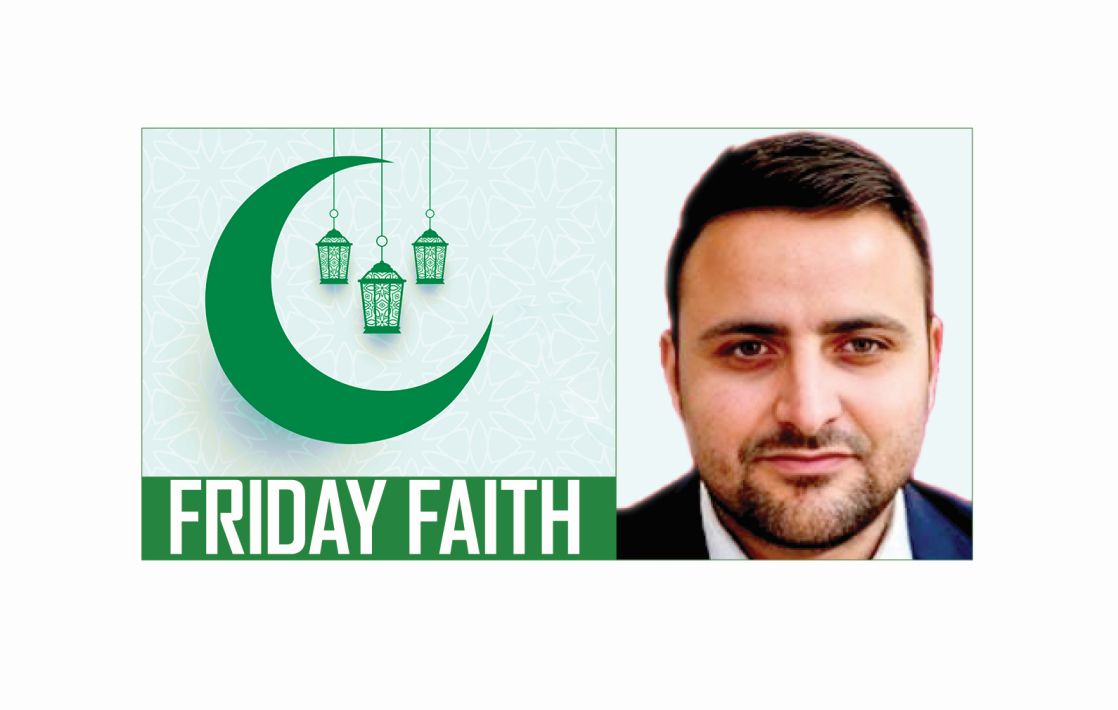
Dr. Firdous Ahmad Reshi