Srinagar: The Kashmir and Jammu regions are currently enduring an unusually intense heatwave and climate change with both cities recording identical maximum temperatures above 35 degrees Celsius this week.
This simultaneous high temperature in two regions known for their typically distinct climatic conditions highlights the severity of the ongoing weather anomaly. The Meteorological Department (MeT) has issued a forecast predicting thunderstorms at isolated locations in Kashmir over the next 24 hours, which could offer some respite from the extreme heat. Valley, renowned for its cool, temperate climate and picturesque landscapes, is experiencing an unprecedented heatwave. Temperatures have soared above 35 degrees Celsius in recent days, a stark departure from the region’s usual weather patterns. This surge in temperature is having a profound impact on various facets of life, from human health to agriculture, water resources, and overall mental well-being.
Health professionals are observing a noticeable increase in heat-related illnesses, particularly among the most vulnerable populations. Elderly individuals, children, and those with pre-existing chronic conditions are especially at risk. In response to the escalating health concerns, doctors are advising residents to take preventive measures, including staying well-hydrated, avoiding prolonged exposure to direct sunlight, and seeking medical care if symptoms of heat stress persist.
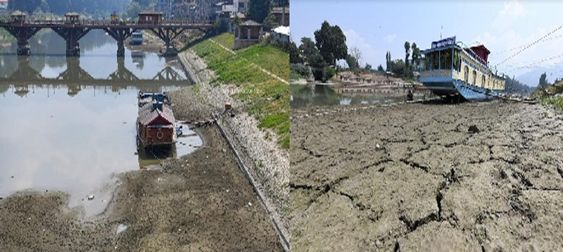
The intense heat has also led to a significant decline in water levels across the region. The Jhelum River, which serves as a crucial water source for many in the Kashmir Valley, is experiencing alarmingly low levels. This situation has had a detrimental effect on the region’s iconic houseboats, with many now grounded due to the reduced water levels. The shortage of rainfall has exacerbated the water crisis, impacting agriculture, horticulture, and tourism. The lack of sufficient water has further strained the local economy and lifestyle, adding to the mounting pressures faced by residents. Agriculture, a key component of the Kashmir Valley’s economy, is suffering as a result of the heatwave. Farmers are grappling with the effects of diminished water availability and rising temperatures, which pose a threat to crop yields and overall productivity. Similarly, the horticulture sector, which relies heavily on consistent weather patterns, is facing challenges in maintaining optimal conditions for fruit and vegetable cultivation.
Tourism, another significant sector for the region, is also feeling the heat. The usual influx of tourists is being affected by the extreme weather conditions, which are making the usually pleasant and serene landscapes less inviting. The combination of intense heat and reduced water levels is creating an environment that is less conducive to outdoor activities, thereby impacting the tourism industry. Education has not been spared from the effects of the heatwave. In response to the extreme temperatures, the School Education Department (SED) in Kashmir has revised school timings to start from 8 am and conclude by 1 pm. This adjustment aims to mitigate the impact of the heat on students and staff, ensuring that educational activities can continue with a degree of comfort and safety. Despite the challenging conditions, there is a glimmer of hope on the horizon. Meteorological scientists are predicting moderate rainfall in the coming days, which could provide some relief from the relentless heat.
According to Dr. Mukhtar Ahmad, Director of MeT, the forecast from Aug 01-07 includes brief spells of rain or thundershowers in isolated places within the Kashmir division, while light to moderate rain or thundershowers are expected in scattered locations across the Jammu division. Looking ahead, the weather is anticipated to be generally cloudy, with intermittent spells of light to moderate rain or thundershowers expected to affect scattered to fairly widespread areas in the Kashmir division. In the Jammu division, widespread light to moderate rain or thundershowers are anticipated. From August 1 to 4, the weather is likely to remain predominantly cloudy, with spells of intermittent light to moderate rain or thundershowers at many locations in the Kashmir division, while the Jammu division is expected to experience light to moderate rain or thundershowers.
The forecast also includes the possibility of intense showers at times, which could lead to potential hazards such as landslides, mudslides, and shooting stones in vulnerable areas. Some regions of the Jammu division might experience heavy rainfall, which could further impact local conditions. As per MeT data, During the period from June 1st to August 1st, 2024, the Kashmir Division (KMR) experienced a significant rainfall deficit, with a departure of -60% from the normal levels. This substantial shortfall indicates that the region received considerably less rainfall than usual, impacting agricultural activities and water availability. Similarly, the Jammu Division (JMU) also faced a rainfall deficit, though less severe, with a departure of -35%. These deviations suggest a notable reduction in precipitation compared to typical seasonal averages for these areas.
Looking ahead, the Extended Range Forecast from the India Meteorological Department (IMD) predicts a shift in rainfall patterns over Jammu and Kashmir. From August 1st to 15th, the region is expected to experience above-normal rainfall, potentially alleviating some of the water shortages caused by the earlier deficit. However, the forecast also indicates a return to deficit rainfall from August 15th to 29th, suggesting that the region may continue to face challenges related to uneven precipitation. This forecast is crucial for planning and preparedness efforts in the region. The unusual heatwave has underscored the region’s vulnerability to extreme weather conditions and highlights the need for preparedness and adaptation strategies.
The impact of the heatwave on various sectors, including health, agriculture, water resources, and tourism, reflects the broader implications of such weather patterns on daily life and regional stability. Residents and authorities alike are hopeful that the anticipated rainfall will help alleviate some of the pressures caused by the heatwave. In the meantime, it is crucial for individuals to continue taking preventive measures to safeguard their health and well-being, while the government and local organizations work to address the broader challenges posed by the extreme weather conditions. Kashmir known for its serene lakes and temperate climate, is facing a severe and unprecedented crisis due to the ongoing heat wave. The combined effects of high temperatures, low water levels, and disrupted weather patterns are creating a challenging environment for residents. However, with the forecasted rain and a significant drop in temperatures, there is cautious optimism that conditions may improve in the near future. As the region navigates this period of intense heat, the resilience and adaptability of the local communities will be key in overcoming the current challenges and moving towards a more stable and comfortable climate.