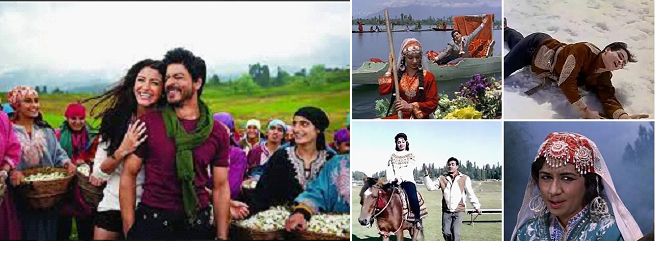
Srinagar: Over the past few years, Jammu and Kashmir (J&K) has emerged as a favored destination for filmmakers from Bollywood and the South Indian film industry. With its snow-capped peaks, serene valleys, and rich cultural heritage, Kashmir offers a canvas that inspires cinematic brilliance. In this feature, we delve into the cinematic renaissance unfolding in Kashmir, exploring the factors driving this surge in film production, the impact on local communities, and the vision for the future of filmmaking in the region. Against the backdrop of political changes and a renewed focus on tourism, Jammu and Kashmir has witnessed a remarkable transformation as a filming destination. The year 2021 marked a pivotal moment with the launch of the region’s maiden film policy aimed at attracting filmmakers to explore the untapped potential of Kashmir’s diverse landscapes.
As per official records, over the past two years, the momentum has only accelerated, with a staggering 300 films and web series shot in Jammu and Kashmir. In 2023 alone, 102 Bollywood and Tollywood productions received official permission to film in the region, reflecting the growing allure of Kashmir among filmmakers. From blockbuster hits like Shahrukh Khan’s Dunki to thought-provoking narratives such as Yami Gautam’s Article 370, Kashmir has provided the backdrop for a diverse range of cinematic experiences. Several factors have contributed to Kashmir’s emergence as a cinematic hotspot. Firstly, the region’s natural beauty and cultural richness serve as a compelling draw for filmmakers seeking visually stunning locations and authentic backdrops for their narratives. The snow-clad mountains, lush meadows, and pristine lakes of Kashmir offer a cinematic feast for the senses, captivating audiences worldwide. Furthermore, the implementation of a robust film policy and the establishment of the Film Development Fund (FDF) have played a crucial role in incentivizing filmmakers to choose Kashmir as their preferred filming destination. The availability of subsidies and streamlined administrative processes have facilitated hassle-free shooting experiences, making Jammu and Kashmir an attractive proposition for both established production houses and independent filmmakers. Additionally, the proactive efforts of the Jammu and Kashmir Film Development Council in promoting the region’s potential as a filming hub have been instrumental in attracting industry attention. Through initiatives such as the single-window mechanism for obtaining shooting permits and the online application portal, the council has demonstrated a commitment to supporting filmmakers and enhancing the overall filming experience in Kashmir.
- Investments in infrastructure development, including state-of-the-art studios and production facilities, will be essential to enhance the region’s filmmaking infrastructure and attract larger-scale productions. Additionally, initiatives to nurture local talent through training programs and skill development initiatives will ensure a thriving ecosystem for the film industry in Kashmir.
Beyond the glitz and glamour of the film industry, the burgeoning influx of film productions has had a tangible impact on local communities in Kashmir. The collaboration between filmmakers and local stakeholders has not only generated economic opportunities but also fostered cultural exchange and social cohesion. The influx of film crews has created employment avenues for local talent, including actors, technicians, and support staff. Moreover, the exposure garnered through film productions has helped showcase the rich cultural heritage of Kashmir to a global audience, fostering a sense of pride and identity among local residents. Furthermore, the infusion of capital into the local economy through film-related activities has stimulated growth in ancillary sectors such as hospitality, transportation, and tourism. Hotels, restaurants, and transport services have benefited from increased demand, contributing to the overall socio-economic development of the region.
- The cinematic renaissance unfolding in Kashmir represents a convergence of art, culture, and commerce, breathing new life into the region’s storied legacy. As filmmakers from across the world continue to be drawn to the enchanting landscapes of Jammu and Kashmir, the region stands poised to write the next chapter in its cinematic journey.
Looking ahead, stakeholders in the film industry and the government alike envision a future where Kashmir continues to flourish as a premier filming destination, while simultaneously preserving its natural beauty and cultural heritage. Sustaining this momentum will require a concerted effort to balance the demands of filmmaking with the need for responsible tourism and environmental conservation. Investments in infrastructure development, including state-of-the-art studios and production facilities, will be essential to enhance the region’s filmmaking infrastructure and attract larger-scale productions. Additionally, initiatives to nurture local talent through training programs and skill development initiatives will ensure a thriving ecosystem for the film industry in Kashmir. Moreover, fostering collaborations between filmmakers, local communities, and government agencies will be paramount in leveraging the full potential of Kashmir as a cinematic powerhouse. By embracing innovation, diversity, and inclusivity, Kashmir can carve a niche for itself on the global stage, captivating audiences with its captivating narratives and breathtaking landscapes. The cinematic renaissance unfolding in Kashmir represents a convergence of art, culture, and commerce, breathing new life into the region’s storied legacy. As filmmakers from across the world continue to be drawn to the enchanting landscapes of Jammu and Kashmir, the region stands poised to write the next chapter in its cinematic journey. With vision, perseverance, and a deep reverence for its natural and cultural heritage, Kashmir is set to shine brightly on the silver screen, inspiring audiences and storytellers alike for generations to come. Last year, Lt. Manoj Sinha commended the J&K administration for its commendable efforts in formulating a new film policy through extensive consultations with various stakeholders. This policy, deemed pivotal, has successfully re-established the region as a thriving cinematic hub. Recognizing the far-reaching impact of this film policy, Sinha emphasized its significance in bolstering the local economy and creating employment opportunities for the region’s youth. He pointed to the inauguration of the “Pashmina” serial as a tangible outcome, highlighting the ambitious nature of the film policy. He said Jammu and Kashmir has a historical association with cinematic charm dating back to the 1960s, 70s, and 80s. The resurgence of the film industry, he stated, is not merely a revival of its cinematic legacy but also a catalyst for economic growth through film tourism. He expressed optimism about the region reclaiming its status as a preferred location for both film enthusiasts and industry professionals, he said. “The region seems to be on track to becoming a preferred location for both film enthusiasts and industry professionals once again,” he added, underscoring the positive trajectory of Jammu and Kashmir in the film industry.LG Sinha also painted an optimistic picture of Jammu and Kashmir reclaiming its position as a coveted destination for film production. His sentiments echoed the broader narrative of a region poised for a cinematic renaissance, with the potential to attract both film enthusiasts and industry professionals alike.