Rs 1907 Cr For School Education Infras, Services

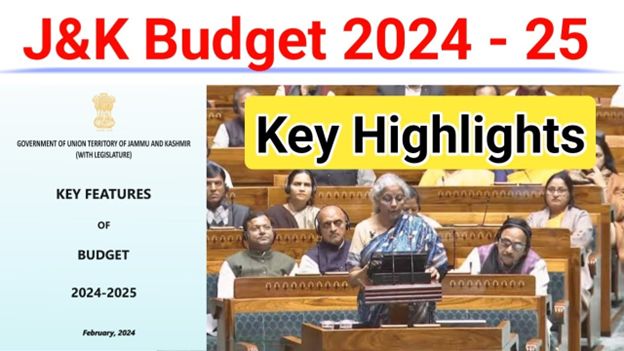
Finance Minister Nirmala Sitharaman Presented an interim budget of Rs 59,364 crore for Jammu & Kashmir early this week in the Lok Sabha with the budget estimates for the upcoming fiscal year (2024-25) anticipated to be Rs 1,18,728 crore, surpassing the current fiscal year’s allocation of Rs 1,18,500 crore. The interim budget is scheduled for debate in both the Lok Sabha and Rajya Sabha from February 7 to 9, seeking parliamentary approval. Termed as the Vote-on-Account, the interim budget allocates significant funds for key areas such as tourism, the welfare of Kashmiri Pandits, Panchayati Raj Institutions (PRIs), power projects, establishment of new colleges and universities, women’s empowerment (including the Ladli Beti Scheme), industrial estates, and the construction of new houses under the PM Awas Yojana. The budget’s emphasis revolves around nine pivotal points, namely ensuring good governance, reinforcing grassroots democracy, fostering holistic and sustainable agriculture, positioning Jammu and Kashmir as an attractive investment destination, generating employment opportunities, cultivating new tourism destinations, facilitating accelerated development and inclusive growth, promoting women’s empowerment, and advocating for social inclusion. The proposed budget is poised to steer the region towards comprehensive development and prosperity. The budget has proposed an allocation of Rs 1,284.45 crore for security-related activities in 2024-25, alongside Rs 2,029.95 crore for agriculture and allied sectors, marking a notable increase of Rs 500.89 crore from the revised allocation in 2023-24. The rural sector is set to receive Rs 3,730 crore for capital expenditure in the upcoming financial year, emphasizing a commitment to rural development.

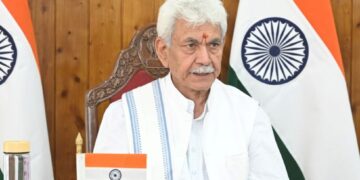
“In a statement on X, the Lt Governor highlighted the budget’s dedication to farmers, women, youth, and marginalized sections, emphasizing its commitment to bolster grassroots democracy in the region. Sinha said that the interim budget reflects the government’s dedication to rapid economic growth with a focus on social inclusivity and sustainability. The budget specifically targets the swift expansion of the agricultural economy while addressing regional imbalances and working to bridge the rural-urban divide”.
Allocations for various sectors include Rs 357.70 crore for tourism, a substantial increase of Rs 103.95 crore from the current fiscal year, and Rs 1,427.61 crore for Health and Medical Education. The School and Higher Education sector secured Rs 1,300.10 crore, witnessing a rise of Rs 201.32 crore from the current year. For the relief and rehabilitation of Kashmiri migrants, a sum of Rs 1,067.61 crore has been allocated, reflecting an increase of Rs 134.68 crore. The power sector is slated to receive Rs 1,875 crore for capital expenditure, marking a significant hike of Rs 552.61 crore. The Jal Shakti Department has been allotted a substantial Rs 5,038.74 crore. Other noteworthy allocations include Rs 2,329.55 crore for Housing and Urban Development Department, and Rs 4,108.87 crore for Roads and Bridges. The Industries and Commerce sector secured Rs 529.62 crore. The interim budget was necessitated due to the Lok Sabha elections in April-May, and a full budget for the Union Territory (UT) is expected to be presented by the next Government in June-July. The total receipts for the proposed Vote-on-Account for 2024-25 are estimated at Rs 59,364 crore, with Jammu and Kashmir’s own revenue projected at Rs 20,867 crore. The total gross receipts, including the provision for Ways and Means advances of Rs 16,568 crore, are estimated at Rs 75,932 crore. Parliament’s approval is sought only for Rs 75,932 crore, excluding Ways and Means advances. The net expenditure is estimated at Rs 59,364 crore, comprising capital expenditure of Rs 19,283 crore and revenue expenditure of Rs 40,081 crore. As for the current financial year 2023-24, supplementary grants are presented, with revised estimates totaling Rs 1,08,197 crore, excluding Ways and Means advance provisions. The full budget for the UT, estimated at Rs 1,18,728 crore, will be presented post the 2024 general elections by the new Government. The revenue expenditure is projected to be Rs 80,162 crore, and capital expenditure at Rs 38,566 crore. The interim Budget outlines a fiscal deficit of Rs 20,760 crore and anticipates a 7.5% growth in Gross State Domestic Product (GSDP). The projected tax-to-GDP ratio for 2024-25 is 7.84%, a notable increase from the previous year’s 6.56%. The Debt-to-GDP ratio for the same period is estimated at 51%. The projected GDP for 2024-25 is Rs 2,63,399 crore, reflecting a growth of 7.5% over the preceding year. Capital expenditure for the fiscal year is proposed at Rs 38,566 crore, constituting 14.64% of the GSDP, according to the interim Budget presented by Sitharaman in Parliament. Revenue receipts for the upcoming fiscal stand at Rs 97,861 crore. In the Administrative sector, Jammu and Kashmir allocates Rs 12,580 crore for revenue and Rs 1,361 crore for capital expenditure. The Social sector is earmarked for Rs 24,599 crore in revenue and Rs 3,779 crore in capital expenditure. On the economic front, the Union Territory plans Rs 5,306 crore in revenue and Rs 6,853 crore in capital expenditure. In the infrastructure sector, J&K allocates Rs 12,675 crore for revenue and Rs 13,511 crore for capital expenditure. The Budget emphasizes the expansion of e-office facilities across all offices and Panchayats, alongside the establishment of physical verification units in Jammu and Srinagar. The Information Technology Department aims to implement emerging technologies like Artificial Intelligence (AI), Machine Learning (ML), and the Internet of Things (IoT) for efficient service delivery to citizens. Finance Minister Sitharaman highlights the transformative reforms initiated in 2019, enabling decentralized governance, inclusive development, enhanced revenue generation, and increased infrastructure development. She also said the ongoing construction of the railway link between Jammu and Srinagar, with Kashmir expected to be rail-connected to the rest of the country by 2024. The budget allocates Rs 450 crore for the infrastructure development of new Colleges and Universities in alignment with the National Education Policy (NEP). Additionally, provisions of Rs 400 crore each are made for the construction of transit accommodations for Kashmiri Pandit employees and the development of Industrial Estates and related infrastructure. Expressing appreciation for the interim budget of Jammu and Kashmir for 2024-25, Lieutenant Governor Manoj Sinha conveyed gratitude to Prime Minister Narendra Modi and Finance Minister Nirmala Sitharaman. In a statement on X, the Lt Governor highlighted the budget’s dedication to farmers, women, youth, and marginalized sections, emphasizing its commitment to bolster grassroots democracy in the region. Sinha said that the interim budget reflects the government’s dedication to rapid economic growth with a focus on social inclusivity and sustainability. The budget specifically targets the swift expansion of the agricultural economy while addressing regional imbalances and working to bridge the rural-urban divide.
“The interim budget for Jammu and Kashmir amounts to Rs 59,364 crore, with a projection of Rs 1,18,728 crore for the next fiscal year (2024-25). In summary, the budget aims to address diverse needs, stimulate economic progress, and promote inclusive development in Jammu and Kashmir. The allocations across sectors indicate a strategic and holistic approach to uplift the region and enhance the overall well-being of its residents”.
Allocations For Priority Sectors:
Rural Development: Allocation of Rs 3,730 crore for rural development in the form of capital expenditure for the next fiscal year. Emphasis on grassroots democracy and strengthening Panchayati Raj Institutions (PRIs). Commitment to inclusive growth and sustainable agricultural practices in rural areas.
Tourism: Substantial increase in the tourism sector budget, with Rs 357.70 crore allocated, reflecting a boost of Rs 103.95 crore from the current fiscal year. Investments directed towards developing new tourism destinations to attract more visitors. Initiatives to enhance infrastructure and services to promote Jammu and Kashmir as a premier tourist destination.
Industries: Allocated Rs 529.62 crore to the Industries and Commerce sector, indicating a focus on industrial development. Provision for the development of Industrial Estates and related infrastructure to encourage economic growth and employment generation. Measures to create a conducive environment for industries to thrive and contribute to the overall economic progress of the region.
IT / Solarization: Plans for the implementation of emerging technologies such as Artificial Intelligence (AI), Machine Learning (ML), and the Internet of Things (IoT) to enhance government services. Focus on solarization initiatives to promote renewable energy sources and reduce the carbon footprint. Expansion of e-office facilities across all offices and Panchayats for efficient and digital governance.
Power Sector: Significant allocation of Rs 1,875 crore for the power sector’s capital expenditure, indicating a commitment to enhancing power infrastructure. Plans for the development and improvement of power projects to ensure a reliable and sustainable power supply. Emphasis on reducing power shortages and enhancing the efficiency of the power distribution network.
Agriculture and Horticulture: Allocation of Rs 2,029.95 crore for agriculture and allied sectors, a noteworthy increase of Rs 500.89 crore from the revised allocation of the previous fiscal year. Initiatives to promote holistic and sustainable agriculture practices, aiming for comprehensive growth in the agricultural sector. Support for horticulture with a focus on enhancing productivity and market access for horticultural products.
Kashmir Horizon View: These budget highlights underscore the government’s commitment to fostering holistic development in Jammu and Kashmir, with a particular emphasis on rural development, tourism promotion, industrial growth, technological advancements, power sector enhancements, and sustainable agriculture and horticulture practices. The budget reflects a comprehensive approach to address the diverse needs of the region and stimulate overall economic progress. The interim budget for Jammu and Kashmir amounts to Rs 59,364 crore, with a projection of Rs 1,18,728 crore for the next fiscal year (2024-25). In summary, the budget aims to address diverse needs, stimulate economic progress, and promote inclusive development in Jammu and Kashmir. The allocations across sectors indicate a strategic and holistic approach to uplift the region and enhance the overall well-being of its residents.
( In commitment to continuous improvement the “Team Kashmir Horizon” invites it’s valuable readers to share their valuable feedback and suggestions with the “Team Kashmir Horizon”. The insights of readers will surely play a vital role in improving the content quality of “Kashmir Horizon” and contribute more for the empowerment of people. Please feel free to reach out to us at editor@ thekashmirhorizon.com. Team “Kashmir Horizon” eagerly anticipates thoughts and ideas of it’s readers, which will help us serve people and even more effectively. The inputs of valuable readers are highly valued as “Kashmir Horizon” strives to provide it’s readers the best possible experience. Thank you for being a part of the reader community!)