A PhD is meant to be the highest expression of intellectual freedom, independent thinking, and academic discovery. Yet, for many doctoral researchers, this prestigious academic journey is turning into an experience of fear, humiliation, and exploitation. Behind the impressive claims of research excellence and university rankings lies a disturbing reality: some PhD supervisors have transformed academic mentorship into a system of domination. Young researchers, who enter universities with dreams of innovation and scholarly achievement, increasingly find themselves trapped in relationships where their academic future depends on the goodwill of a single powerful individual. When supervision becomes an instrument of control rather than a source of guidance, doctoral education begins to resemble academic slavery. The relationship between a supervisor and a research scholar is inherently unequal. Supervisors often control research approval, thesis progress, publications, recommendations, and the final submission of doctoral work. This concentration of authority creates an environment in which scholars may hesitate to question unfair practices.
A supervisor who should encourage critical thinking may instead demand unquestioning obedience. A researcher who disagrees with an academic opinion may face delays, hostility, or the threat of an uncertain academic future. Such an atmosphere destroys the very foundation of research: intellectual independence. The most disturbing aspect of toxic supervision is the exploitation of young researchers. Some scholars are compelled to perform administrative duties, prepare presentations, organize institutional activities, or undertake personal assignments unrelated to their research. Their time and intellectual capabilities are diverted from meaningful academic work. Instead of developing independent research skills, they become unpaid assistants serving the interests of their supervisors. The PhD degree, which should represent original contribution to knowledge, becomes a prolonged test of obedience and endurance. Academic humiliation is another weapon used by toxic supervisors. Researchers may be criticized harshly in public, insulted during meetings, or repeatedly told that they lack intellectual ability.
Constructive criticism is essential to research, but personal humiliation has no place in academic mentoring. The purpose of criticism should be to improve research quality, not to destroy a scholar’s confidence. When supervisors repeatedly undermine the dignity of their students, they create an environment where fear replaces curiosity and silence replaces intellectual debate. The manipulation of research publications presents another serious concern. Some scholars face pressure to include supervisors as authors even when their intellectual contribution does not justify authorship. Others experience delays in manuscript approval or find their research ideas appropriated without appropriate acknowledgement. Such practices undermine academic integrity and discourage genuine innovation. A doctoral scholar who spends years developing an original research idea deserves recognition, ownership of legitimate intellectual contributions, and fair opportunities to publish. The psychological consequences of toxic supervision can be severe.
“India must choose between academic dictatorship and research excellence. A PhD should never become a certificate of suffering, and a supervisor should never become the dictator of a young scholar’s future. The time has come to end academic exploitation and restore dignity, freedom, and fairness to doctoral research.”
Doctoral research already involves uncertainty, rejection, intellectual struggle, and prolonged periods of isolation. When these challenges are combined with intimidation and exploitation, the burden becomes overwhelming. Scholars may experience anxiety, emotional exhaustion, loss of confidence, and a growing sense of helplessness. Some abandon their research, while others continue only because they fear losing years of investment. The tragedy is not merely the loss of a degree; it is the destruction of academic dreams and human potential.
India’s expanding doctoral education system makes this issue particularly urgent. The country aspires to become a global knowledge leader, but research excellence cannot emerge from institutions where scholars are treated as subordinate labour. Increasing the number of PhD degrees without ensuring the quality of supervision is a hollow achievement. A university may produce hundreds of doctoral graduates, but if its research culture is built on fear, exploitation, and dependency, it cannot claim genuine academic excellence. Institutional silence makes the situation even worse.
Universities often celebrate research publications, patents, rankings, and doctoral enrolment while overlooking the experiences of doctoral scholars. Complaints against influential supervisors may be ignored, delayed, or handled through informal mechanisms. Researchers fear retaliation, poor recommendations, delayed thesis submission, or damage to their academic careers. When institutions protect supervisory authority at the expense of scholarly dignity, toxic supervision becomes institutionalized. The solution requires urgent and structural reforms.
Universities must establish independent, confidential, and transparent grievance-redressed mechanisms. Supervisors should be evaluated not only on publications and research funding but also on the quality of mentoring, scholar progress, and ethical conduct. Doctoral researchers must have a fair opportunity to change supervisors without unnecessary administrative barriers. Clear guidelines should regulate authorship, intellectual property, research contributions, and supervisory responsibilities.
Furthermore, universities should introduce mandatory training in research ethics, professional communication, and responsible supervision. Doctoral scholars must have access to counseling, peer-support networks, and independent academic committees. No supervisor should possess unchecked authority over a researcher’s entire academic future. A system of shared supervision and periodic independent progress reviews can reduce excessive dependence on one individual.
The role of a PhD supervisor must be fundamentally redefined. A supervisor is not the owner of a scholar, nor is a doctoral researcher an academic servant. The supervisor’s responsibility is to nurture independent thinkers, encourage intellectual courage, and guide young researchers towards original contributions. True academic leadership is demonstrated not through control but through the success and independence of those being mentored.
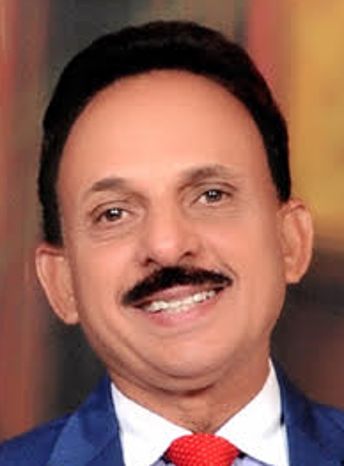
(The author is Principal, Guru Gobind Singh College of Management and Technology, Gidderbaha, Punjab. The views, opinions and conclusions expressed in this article are those of the author and aren’t necessarily in accord with the views of “Kashmir Horizon”)