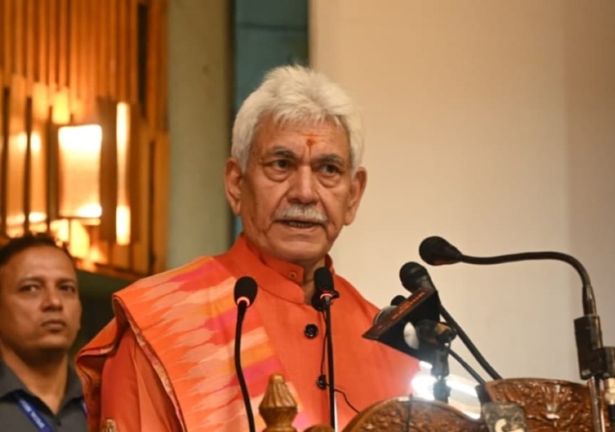
“The administration has pursued a security framework focused on counterterrorism, action against terror financing and the protection of public institutions. These measures have been accompanied by efforts to improve administrative responsiveness and maintain continuity in educational, commercial and government activities……”
Mohammad Irfan
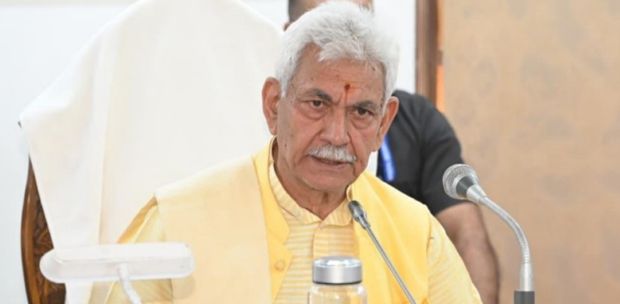 Jammu and Kashmir has witnessed significant changes in its development priorities and administrative functioning since 2019, with infrastructure expansion, digital governance, tourism promotion and investment attraction emerging as key pillars of its growth strategy. Under Lieutenant Governor Manoj Sinha, who assumed office in August 2020, the administration has focused on improving public service delivery, accelerating development projects, strengthening institutional mechanisms and expanding economic opportunities. The transformation reflects a combination of central government investment, administrative initiatives, improved connectivity and sustained efforts to promote Jammu and Kashmir as a destination for tourism, entrepreneurship and industrial activity. From railway connectivity through the Himalayas to the digitisation of public services, the changes are creating new possibilities for residents, businesses and visitors. The emerging development model rests on six interconnected pillars: security and stability, digital governance, infrastructure, industrial investment, tourism and grassroots development. Together, these initiatives offer a framework for strengthening the region’s economic potential and improving the delivery of public services.
Security, Stability Create Space For Development: A stable environment is essential for economic activity, education, tourism and public administration. Jammu and Kashmir has made progress in restoring regular commercial activity and reducing the disruptions associated with organised shutdowns that previously affected everyday life. The administration has pursued a security framework focused on counterterrorism, action against terror financing and the protection of public institutions. These measures have been accompanied by efforts to improve administrative responsiveness and maintain continuity in educational, commercial and government activities. The benefits of greater operational continuity extend across sectors. Businesses can plan their activities more effectively, educational institutions can maintain academic schedules, and tourism enterprises can invest in accommodation, transport and visitor services. A more predictable operating environment also helps create opportunities for local entrepreneurs and service providers. Sustaining these gains remains important for the region’s long-term development. Continued improvements in public safety, community engagement and institutional effectiveness can strengthen confidence among investors, visitors and residents. The development objective is to ensure that stability translates into wider opportunities, allowing people across urban and rural areas to participate in economic growth.
Digital Governance Brings Services Closer To Citizens: One of the most significant administrative initiatives has been the expansion of online public services. Jammu and Kashmir has progressively digitised government processes, making a wider range of certificates, registrations, revenue services and other administrative facilities accessible through digital platforms. The administration has reported an expansion from a relatively limited online service portfolio before the 2019 reorganisation to more than 1,100 services in the subsequent period. This expansion represents an important step towards a more accessible and technology-enabled system of governance. Online services can reduce the need for repeated visits to government offices, save travel expenses and simplify routine procedures. For residents in remote areas, where accessing administrative offices can involve considerable time and cost, digital delivery can be particularly beneficial. The Public Services Guarantee Act and related time-bound service delivery mechanisms provide an additional framework for improving accountability. Escalation arrangements for delayed applications can encourage departments to process requests within prescribed timelines. Digitisation of land records and the introduction of land passbooks have also improved access to property-related information. These initiatives can help citizens verify records, understand ownership details and reduce uncertainty in land transactions. Financial management systems such as the Budget Estimation, Allocation and Monitoring System (BEAMS), along with technology-based monitoring of public works, have strengthened the administration’s capacity to track expenditure and project implementation. The next phase of digital governance can build on these foundations through wider citizen assistance, improved digital literacy and transparent performance reporting. By combining online access with effective support at the local level, Jammu and Kashmir can continue moving towards a more efficient and citizen-friendly administration.
Infrastructure Connects Jammu And Kashmir With New Opportunities: Infrastructure development has emerged as one of the most visible components of the region’s transformation. Railway projects, tunnels, bridges, highway improvements and power investments are helping address geographical challenges and creating new possibilities for trade, mobility and tourism. The completion and dedication of the Udhampur-Srinagar-Baramulla Rail Link in June 2025 marked a historic milestone in the region’s connectivity. The approximately 272-kilometre railway project, built at a reported cost of around ₹43,780 crore, includes major engineering achievements such as the Chenab Rail Bridge, the world’s highest railway arch bridge, and the Anji Khad cable-stayed railway bridge. The railway connection has the potential to transform passenger travel and create new opportunities for freight movement. Better rail connectivity can support the movement of agricultural produce, handicrafts, industrial goods and consumer products while expanding travel options for residents and tourists. For the horticulture sector, improved transport infrastructure could complement existing road networks and strengthen market access. As freight facilities and logistics services develop, growers and traders may gain additional options for transporting produce to markets outside the Valley. Road projects are equally important. The Jammu-Srinagar National Highway remains a critical economic lifeline, while the Z-Morh and Zojila tunnel projects are designed to improve connectivity through challenging Himalayan terrain. These projects can support more reliable transportation, improve access to remote areas and strengthen the movement of essential goods. Power generation is another important component of the development strategy. Hydropower projects, including Ratle, Kiru and Kwar, are expected to strengthen electricity generation capacity over time. Better power availability can support households, businesses, tourism establishments and industrial units. Investment in healthcare and educational infrastructure complements these initiatives. New medical institutions, upgraded facilities and expanded public programmes can improve access to essential services, particularly when supported by adequate staffing, equipment and resources. Together, these projects are creating the physical foundations for a more connected and economically integrated Jammu and Kashmir.
“Sustainable tourism planning will be important in preserving the natural environment that makes Jammu and Kashmir distinctive. Responsible waste management, water conservation, improved public facilities and community participation can help ensure that tourism growth remains beneficial over the long term…”
Industrial Investment And Entrepreneurship Expand The Economic Horizon: The Government has worked to attract industrial investment and diversify the regional economy through incentives, policy reforms and entrepreneurship programmes. The New Central Sector Scheme for Industrial Development, introduced in 2021 with an outlay of ₹28,400 crore, was designed to encourage fresh investment and industrial expansion. Its incentives seek to improve the attractiveness of Jammu and Kashmir for manufacturing and other productive activities. The scale of investment interest reflects the region’s potential in sectors such as food processing, information technology, tourism services, handicrafts, renewable energy and horticulture-related industries. For Jammu and Kashmir, industrial development offers an opportunity to complement traditional livelihoods with new sources of employment. Food-processing facilities, modern cold storage, packaging units and value-addition enterprises can strengthen the horticulture economy by helping producers reach markets with higher-value products. The handicraft and handloom sectors can benefit from digital marketplaces, branding initiatives and improved access to national and international consumers. Similarly, technology-based enterprises can use the region’s educated workforce to develop services in software, digital marketing, education technology and other emerging fields. Entrepreneurship initiatives are also creating avenues for young people to explore self-employment and innovative business models. Start-ups can help address local needs while generating employment and expanding the private sector. Mission YUVA and other enterprise-support initiatives provide a framework for promoting entrepreneurship, skills and access to financial assistance. Their potential impact lies in connecting training and funding with viable business opportunities and sustained market demand. The emphasis on Global Capability Centres and technology-led services could further broaden the economic base if accompanied by reliable connectivity, skilled talent, business infrastructure and long-term investment. The next opportunity is to deepen the connection between investment and local economic participation. Stronger industrial linkages with farmers, artisans, small businesses and educational institutions can ensure that economic expansion benefits a wider section of society.
Tourism Growth Strengthens Local Livelihoods: Tourism remains one of Jammu and Kashmir’s most important economic sectors, supporting hotels, guesthouses, transport operators, guides, restaurants, artisans and small businesses. Official data released by the Union Ministry of Tourism recorded approximately 2.07 crore domestic tourist visits to Jammu and Kashmir in 2023 and 2.35 crore in 2024. The figures underline the scale of domestic travel and the importance of tourism to the regional economy. The expansion of tourism has been supported by promotional campaigns, improved connectivity, the development of new destinations and efforts to diversify visitor experiences beyond established centres. Gulmarg, Pahalgam and Srinagar continue to attract visitors through their natural landscapes, cultural heritage and recreational opportunities. At the same time, destinations such as Gurez, Keran, Lolab and Teetwal offer scope for rural and border tourism, creating possibilities for local communities to participate directly in the visitor economy. Rural tourism can generate supplementary income for households through homestays, local transport, food services, handicrafts and guided experiences. It can also encourage the preservation of traditional architecture, cuisine and cultural practices. The film sector offers another avenue for economic activity. A supportive film policy and streamlined permission processes can help attract production houses while generating work for local technicians, hospitality providers, transport operators and artists. Pilgrimage tourism, including visits to the Shri Amarnathji shrine and Mata Vaishno Devi, also contributes to the region’s service economy. Improvements in transport, accommodation and visitor facilities can strengthen the experience of pilgrims while creating additional business opportunities. Sustainable tourism planning will be important in preserving the natural environment that makes Jammu and Kashmir distinctive. Responsible waste management, water conservation, improved public facilities and community participation can help ensure that tourism growth remains beneficial over the long term. The broader opportunity is to develop a tourism economy that combines higher visitor satisfaction with better local incomes, more employment and wider participation by small enterprises.
Grassroots Development And Youth Participation: Local institutions, entrepreneurship programmes and social welfare initiatives form another important part of Jammu and Kashmir’s development framework. Panchayati Raj institutions, block-level bodies and District Development Councils provide platforms for addressing local development needs. Their role in identifying priorities such as roads, drinking water, drainage, sanitation and public facilities can help ensure that development programmes respond to community requirements. Effective coordination among local institutions and administrative departments can improve the identification and implementation of projects. Greater transparency in fund allocation and project monitoring can further strengthen public confidence. Youth development is equally significant. With a large number of educated young people, Jammu and Kashmir has considerable potential to expand entrepreneurship, technology services, sports, tourism and creative industries. Skill-development initiatives can help connect young people with emerging employment opportunities, while business-support programmes can encourage them to establish enterprises in their own districts. The long-term value of these initiatives will be reflected in sustainable jobs, viable businesses and improved household incomes. Transparent recruitment procedures also remain important for young people aspiring to enter public service. Clear examination schedules, timely results and accessible grievance mechanisms can strengthen confidence in recruitment institutions. Healthcare initiatives, including Ayushman Bharat PM-JAY SEHAT, seek to improve financial access to medical treatment. Their effectiveness is reinforced by accessible hospitals, adequate medical staff and public awareness of available benefits. Similarly, support for education, sports and community infrastructure can help strengthen social development alongside economic growth. The central priority is to connect these programmes with measurable improvements in the everyday lives of residents, ensuring that development reaches both major towns and smaller communities.
Kashmir Horizon View: Jammu and Kashmir’s development journey under LG Manoj Sinha reflects an emphasis on administrative modernisation, physical connectivity, investment promotion and tourism expansion. Major railway milestones, a growing digital service network and initiatives to support entrepreneurship have contributed to a changing development landscape. These developments have also created opportunities to strengthen traditional sectors, including horticulture, handicrafts, handloom and small-scale tourism enterprises. Better infrastructure and digital access can help these industries reach wider markets and improve their competitiveness. The next phase can focus on converting infrastructure into productive economic activity, investment interest into operational enterprises, and online services into faster and more accessible public delivery. Expanding local employment, strengthening rural businesses and encouraging innovation can help distribute the gains of development more widely. Environmental sustainability will remain essential, particularly in a Himalayan region where tourism, agriculture, water resources and biodiversity are closely connected. Planning that combines economic expansion with conservation can protect the natural assets on which many livelihoods depend. Coordination between the Lieutenant Governor’s administration, the elected government, local institutions and civil society can further strengthen development planning. Transparent monitoring and public participation can help ensure that projects remain responsive to local needs. The progress achieved so far provides a foundation on which Jammu and Kashmir can continue building. Its geographical advantages, educated population, agricultural wealth, cultural heritage and tourism potential offer substantial opportunities for future growth. Ultimately, the success of the region’s development strategy will be measured by the opportunities it creates for residents: better connectivity for farmers, accessible services for citizens, new avenues for entrepreneurs, quality healthcare for families and meaningful employment for young people. With sustained investment, effective implementation and inclusive planning, Jammu and Kashmir can continue strengthening its position as a more connected, economically vibrant and opportunity-rich region.
(“Team Kashmir Horizon” is committed to continuous improvement and invites feedback and suggestions from readers and its followers on social media sites. Reader insights are considered vital for enhancing content quality and empowering the community. The team encourages open communication and values the thoughts and ideas of its audience, believing that such input will enable them to serve the public more effectively. The initiative aims to ensure that readers have the best possible experience with “Kashmir Horizon”. Interested individuals can reach out to us via email at [email protected].)