Leaders discuss energy security concerns
Call comes amid blockade concerns and oil price spike
US hints at major India deals, focus on energy sector
Third Modi-Trump call this year as ties regain momentum
Both sides push for stability in key global shipping route
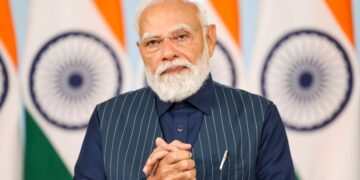
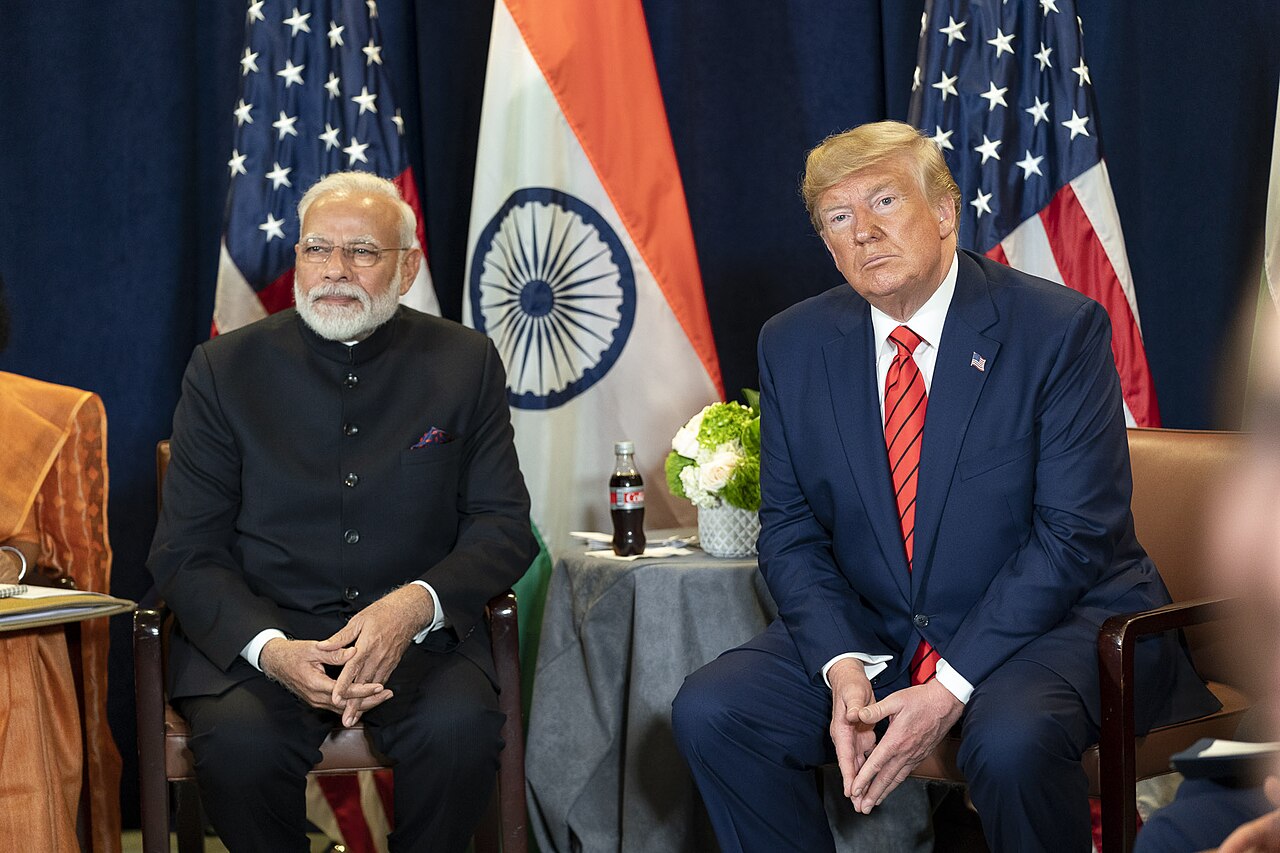
New Delhi: Amid escalating tensions in West Asia, US President Donald Trump on Tuesday held a phone conversation with Prime Minister Narendra Modi, with both leaders underlining the need to ensure that the Strait of Hormuz remains “open and secure” for global trade and energy flows.
The nearly 40-minute call comes at a time of heightened global concern over disruptions in the strategic waterway, following the US naval blockade of Iranian ports and renewed uncertainty around Washington-Tehran engagement after talks in Islamabad broke down.
Soon after the conversation, PM Modi said the two leaders reviewed the progress in India-US ties and reiterated their commitment to deepening cooperation across sectors under the comprehensive global strategic partnership.
“Spoke with President Donald Trump. We reviewed the substantial progress in our bilateral cooperation and reaffirmed our commitment to further strengthen the partnership in all areas,” PM Modi said in a statement, adding that the situation in West Asia figured prominently in the discussion.
Both sides, he said, stressed the importance of maintaining uninterrupted access through the Strait of Hormuz, a critical artery for global oil shipments.
The call — their third this year — also comes against the backdrop of efforts by New Delhi and Washington to stabilise ties after a period of strain triggered by tariff disputes and political differences. The leaders had earlier spoken in February on trade issues and again in March on regional developments in West Asia.
Shortly after the call, US Ambassador to India Sergio Gor indicated that the bilateral relationship could see fresh momentum, with “big-ticket” announcements expected in the coming weeks, particularly in the energy sector.
“We have some significant developments lined up. There are major items that could be finalised soon — in energy and other areas — but I wouldn’t like to go into specifics at this stage,” Gor told a select group of journalists.
Sources familiar with the discussions suggested that Indian public sector companies may be exploring collaborations with American firms, especially in the energy domain, though details remain under wraps.
On the West Asia situation, Gor said President Trump briefed the Prime Minister on developments in the region, particularly the ongoing blockade affecting maritime movement through the Strait of Hormuz.
Describing the disruption as a global concern, the envoy said the current situation has led to a sharp rise in oil and gas prices, with implications for economies worldwide.
“This is an international waterway governed by global norms. The disruption is affecting not just one region, but the entire world,” Gor said, adding that reopening the route is a priority for Washington.
He noted that both leaders discussed the broader implications of the blockade and the urgency of restoring normalcy. However, he declined to comment on the possibility of fresh negotiations between the US and Iran following the collapse of earlier talks.
“It is not for me to speak about future diplomatic engagements. But clearly, there was a shared understanding that the situation cannot continue in its present form,” he said.
On whether the United States expects India to play a role in easing tensions, Gor said Washington remains open to engagement by multiple countries but left the question to New Delhi.
“That would be a decision for the Indian government. From our perspective, the US is open to constructive involvement by partners where appropriate,” he said.
The latest exchange between the two leaders follows a recent visit by Foreign Secretary Vikram Misri to Washington, part of ongoing diplomatic efforts to reinforce bilateral engagement.
Relations between India and the US had seen a downturn in recent months after Washington imposed steep tariffs and Trump made contentious remarks regarding his role in defusing last year’s India-Pakistan military tensions. Both sides, however, have since taken steps to repair ties and restore momentum.
In this context, US Secretary of State Marco Rubio is scheduled to visit India next month for wide-ranging discussions with External Affairs Minister S Jaishankar and other senior officials.
Gor said the visit is expected to coincide with progress on key bilateral initiatives. “We are hopeful of finalising some important agreements ahead of the Secretary’s trip. These are substantial and meaningful engagements,” he said.
He also indicated that preparations are underway for a ministerial-level meeting of the Quad grouping, which includes India, the US, Japan and Australia.
Calling India a “vital partner”, the envoy said the depth of engagement reflects the importance Washington attaches to ties with New Delhi.
“The relationship is on a strong footing, and there is a great deal of interest at the highest levels of the US government to build on it further,” he said.
Gor added that Rubio’s upcoming visit — his first to India — underscores the priority accorded to the partnership.
“The fact that the Secretary is travelling here, given his schedule, shows the importance we attach to India. We are looking forward not just to meetings in Delhi but also broader engagement,” he said.
With both geopolitical concerns and economic cooperation shaping the agenda, Tuesday’s conversation between PM Modi and Trump signals a renewed push to align positions on global challenges while advancing bilateral priorities.