Modi Pushes PNG Pivot to Protect India’s LPG Stocks
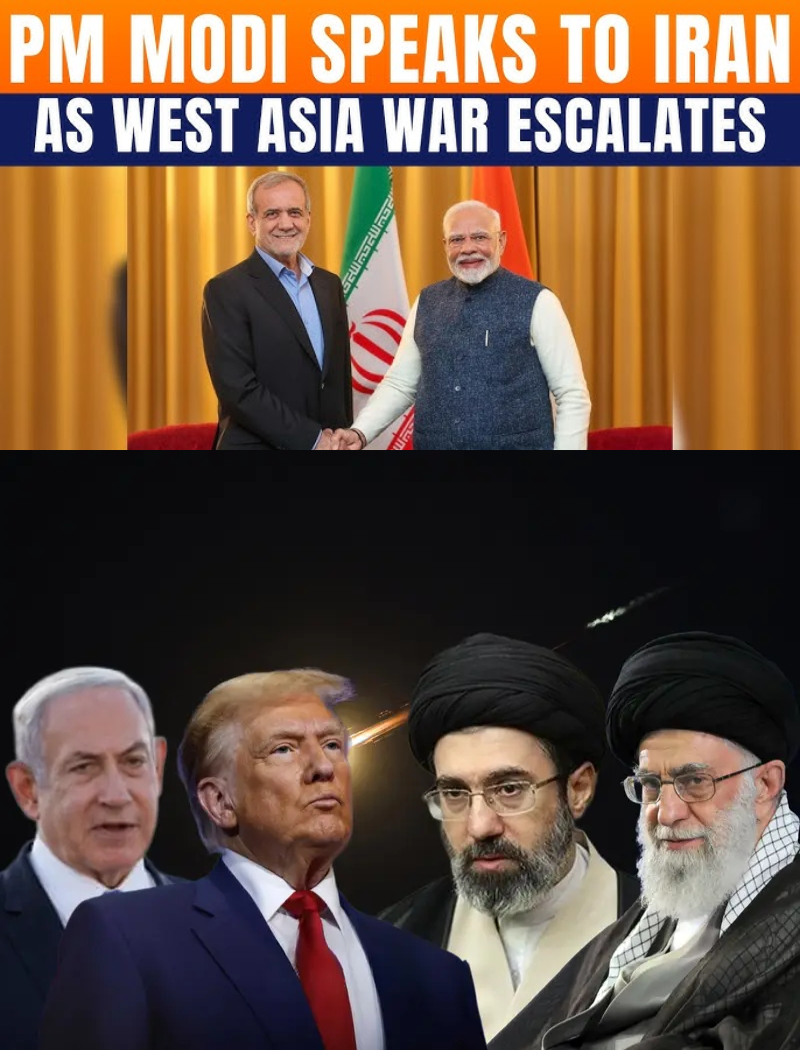
Srinagar: As tensions escalate across the Middle East following the assassination of Iran’s Supreme Leader and the subsequent outbreak of a regional conflict, India has stepped up diplomatic outreach, emergency preparedness and public communication to safeguard its citizens, energy supplies and maritime interests. Prime Minister Narendra Modi on Thursday held a crucial telephone conversation with Iranian President Masoud Pezeshkian, expressing deep concern over the deteriorating security situation and reiterating India’s call for dialogue and diplomacy. The conversation marked the first direct contact between the two leaders since the conflict began last month after the assassination of Iran’s Supreme Leader Ali Khamenei triggered a wave of military escalation across the region. The conflict intensified after coordinated strikes by the United States and Israel against Iranian targets, prompting Tehran to retaliate with attacks on Israeli positions and US military installations across the Gulf. In a late-night post on social media platform X, Prime Minister Narendra Modi said he discussed the “serious situation in the region” with the Iranian leader and expressed concern over civilian casualties and damage to infrastructure. He emphasised that India’s immediate priorities remain the safety of its citizens in the region and the uninterrupted transit of goods and energy supplies.
India’s Diplomatic Balancing Act: India’s outreach to Tehran comes amid a broader diplomatic effort to engage multiple stakeholders across West Asia as the conflict threatens to disrupt global energy markets and maritime trade routes. Over the past ten days, Modi has spoken with leaders from several countries including Oman, Kuwait, Bahrain, Saudi Arabia, the United Arab Emirates, Jordan, Israel and Qatar. Officials said these conversations have focused on reducing tensions, safeguarding regional stability and protecting the large Indian diaspora living and working across the Gulf. The government has also expressed concern over attacks on sovereign territories and emphasised respect for international law. India’s diplomatic posture reflects its strategic balancing act in the region, where it maintains strong economic and security partnerships with Arab nations while also preserving historical ties with Iran.
Diaspora Concerns, Safety Measures: The conflict has raised particular concern for India due to the large number of its citizens living in the region. Government estimates suggest that nearly one crore Indians reside across West Asia and the Gulf countries. While more than 40,000 Indians are currently living and working in Israel, around 9,000 to 10,000 Indian nationals are present in Iran, including students, professionals, pilgrims and businesspersons. Officials from the Ministry of External Affairs said Indian missions across the region have been placed on high alert and are maintaining constant contact with community groups and local authorities. External Affairs Minister S. Jaishankar also held discussions with Iran’s Foreign Minister Abbas Araghchi earlier this week to review developments, particularly the safety of shipping routes and energy supplies critical to India’s economy.
Strait Of Hormuz Under Scrutiny: A key concern for India and the global economy is the security of shipping lanes in the Persian Gulf, particularly the strategically vital Strait of Hormuz. The narrow waterway between Iran and Oman handles nearly one-fifth of global oil trade and serves as a critical route for energy supplies heading to Asia. Recent attacks on commercial vessels operating in the region have heightened fears of disruption to oil shipments. Indian authorities said discussions between New Delhi and Tehran have included ensuring the safety of maritime trade routes and maintaining stable energy flows. External Affairs Ministry spokesperson Randhir Jaiswal confirmed that the issue of shipping safety and energy security was a central theme in recent diplomatic exchanges. According to the government, 24 Indian-flagged vessels with 668 Indian seafarers are currently operating in the Persian Gulf. Additionally, around 23,000 Indian seafarers work on merchant ships and offshore vessels across the broader Gulf region.
Maritime Monitoring, Evacuations: Officials from the Directorate General of Shipping said a 24-hour control room has been activated to track the movement and safety of Indian ships and crew members. Since its activation, the control room has handled more than 2,400 calls and over 4,400 emails from seafarers and shipping companies seeking guidance and assistance. The government has facilitated the safe repatriation of more than 223 stranded Indian seafarers while continuing to coordinate with shipowners, recruitment agencies and Indian diplomatic missions abroad. In a separate incident earlier this week, 15 Indian crew members aboard the vessel Safesea Vishnu were evacuated safely after an attack in Iraqi waters and are currently being sheltered in Basra while arrangements for their return to India are underway.
Government Reassures Public On Fuel Supply: Amid rising tensions and concerns over possible disruption of oil supplies, the government has moved quickly to reassure the public that India’s energy security remains stable. Officials from the Ministry of Petroleum and Natural Gas said the country’s refining capacity of about 258 million metric tonnes per annum makes it the world’s fourth-largest refining hub. They emphasised that India is largely self-sufficient in petrol and diesel production and does not rely on imports of these refined fuels to meet domestic demand. All refineries are currently operating at high capacity, with some running above 100 percent utilisation. Authorities said adequate crude oil inventories are being maintained across refineries and that supplies are continuing through diversified import sources and shipping routes.
Panic Buying , Hoarding Concerns: Despite official assurances, reports of panic buying and increased bookings for LPG cylinders have emerged in several parts of the country. According to government data, daily LPG bookings surged from an average of 55.7 lakh to around 76 lakh on Thursday. Officials stressed that there is no shortage of LPG or fuel supplies and urged citizens not to resort to panic buying. Oil marketing companies continue to deliver nearly 50 lakh LPG cylinders every day through the country’s network of over 25,000 distributors. Authorities have also warned against illegal sale of fuel in loose containers and have initiated enforcement actions to prevent hoarding and black marketing. In one case reported in Tamil Nadu, fuel sales at a retail outlet were suspended after authorities discovered illegal distribution practices. State Governments have been instructed to monitor fuel supplies closely and take strict action against violations. Several states, including Maharashtra, Telangana, Andhra Pradesh, Rajasthan, Uttar Pradesh and Bihar, have begun issuing daily briefings to keep the public informed.
Alternative Energy Measures: To ease pressure on LPG supplies, the government is encouraging households with access to piped natural gas to switch from LPG cylinders to domestic PNG connections. Currently, more than 1.5 crore households across India are served by piped natural gas, and officials say many more homes are located in areas where PNG connectivity is available but underutilised. Authorities believe that promoting PNG usage could help conserve LPG stocks for regions where pipeline infrastructure is not yet available. The Government has also increased domestic LPG production at refineries by more than 30 percent and allocated additional kerosene supplies to states as an alternative fuel option for certain sectors.
Inter-Ministerial Coordination: The government’s response to the crisis is being coordinated through a series of inter-ministerial meetings and media briefings aimed at ensuring transparency and preparedness. Senior officials from the ministries of petroleum, external affairs, shipping and information and broadcasting addressed the media at the National Media Centre in New Delhi, outlining the steps being taken to monitor the situation and safeguard national interests. These briefings have emphasised that India continues to maintain close diplomatic engagement with countries across West Asia while simultaneously strengthening domestic preparedness to manage any potential economic or logistical disruptions.
Strategic Stakes For India: The unfolding conflict in the Middle East carries significant implications for India’s economy and foreign policy. The region remains a vital source of energy imports, a major destination for Indian exports and home to millions of Indian expatriates who contribute substantially through remittances. Any prolonged disruption of shipping routes or oil supplies could have ripple effects on global markets, potentially influencing energy prices, trade flows and inflation. At the same time, India’s diplomatic engagement reflects its broader strategy of maintaining balanced relationships with competing regional powers while advocating for peaceful resolution of conflicts. As the Middle East crisis continues to unfold, India is navigating a complex geopolitical landscape that intersects with its economic interests, diaspora welfare and energy security. Through diplomatic outreach, maritime monitoring and domestic preparedness measures, the government aims to mitigate risks while reinforcing its longstanding position that regional disputes must be resolved through dialogue and diplomacy.