Says “Climate change demands artificial snow infra”
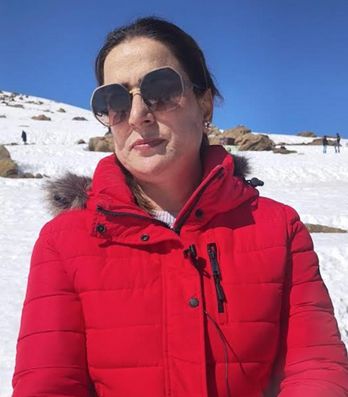
Srinagar : Since taking charge as Secretary of the Jammu and Kashmir Sports Council in 2021, Nuzhat Gul has been at the forefront of reshaping the Union Territory’s sporting landscape. From hosting the Khelo India Winter Games in Gulmarg to expanding grassroots outreach, she has overseen a period of visible activity and ambition. In this interview, Nuzhat Gul speaks to Kashmir Horizon’s Senior Reporter, Mohammad Irfan about infrastructure, artificial snow, climate challenges, women’s participation and the future roadmap for sports in J&K.
Q: You have been leading the Sports Council since 2021. How do you assess the transformation in J&K’s sports ecosystem?
Nuzhat Gul: When we began, the priority was to build confidence among athletes, parents and stakeholders. Over the past few years, we have focused on strengthening infrastructure, professionalising event management and creating consistent opportunities for youth. Hosting national-level competitions, particularly the Khelo India Winter Games, has significantly elevated J&K’s sporting profile. Today, our athletes are not just participating; they are competing and winning.
Q: What does Khelo India mean for Jammu and Kashmir?
Nuzhat Gul: Khelo India is a very positive programme and a powerful platform for young athletes across the country. For local children in J&K, it provides exposure to national standards of competition. We have seen them display remarkable technique and confidence. Many have won medals, which has had a hugely positive impact on morale. Beyond sports, it contributes to tourism and employment. When athletes, officials and visitors come to Gulmarg, it generates income for local businesses and strengthens J&K’s image outside the region. Khelo India has become an iconic event, and Gulmarg is now recognised as a winter sports hub. Even after one edition ends, children begin preparing for the next.
Q: This year’s Winter Games were held amid low snowfall and rising temperatures. How challenging was that?
Nuzhat Gul: It was very challenging. Being a Kashmir, I have never seen such fast-changing temperatures during this period. Snow was melting quickly, which posed logistical difficulties. But with coordinated efforts from the J&K Government, SIA, other stakeholders and technical teams, we managed to conduct all competitions smoothly. Climate variability is becoming a reality, and we must adapt accordingly.
Q: There has been discussion around artificial snow infrastructure. What is your vision on that?
Nuzhat Gul: We have to keep pace with global developments. Countries such as Saudi Arabia, the UAE, Malaysia, China and Japan have invested in artificial snow infrastructure, even in places where natural snowfall is limited. Malaysia, for instance, has developed year-round facilities, making it a 12-month destination for winter sports. If we want to remain competitive and ensure continuity of training, we must consider similar interventions. Artificial snow is not about replacing nature; it is about sustaining sporting activities and tourism in a changing climate.
Q: How strong is the response from athletes and local people?
Nuzhat Gul: The response has been overwhelming. Whenever I meet families, they talk about Khelo India and registration calls. Parents are increasingly encouraging their children to pursue sports seriously.
We are receiving good participation numbers across disciplines. This shows that sports are becoming an aspirational pathway in J&K.
Q: How is the Council ensuring inclusivity, particularly for women athletes?
Nuzhat Gul: Equal opportunity is a core principle for us. We ensure that both male and female athletes have access to training facilities, competitions and coaching. The results have been encouraging.
More young women are participating in winter sports, football, athletics and other disciplines. Social attitudes are also evolving, which is a positive sign.
Q: Beyond winter sports, what does the annual calendar look like?
Nuzhat Gul: We have a structured calendar of events throughout the year. This includes football, cycling, athletics and various indoor and outdoor disciplines. We also focus on rural and tribal outreach programmes to ensure that talent from remote areas is identified and nurtured. Sports development cannot be seasonal; it has to be continuous.
Q: Infrastructure development has been a recurring theme. What progress has been made?
Nuzhat Gul: We are steadily improving infrastructure across districts upgrading stadiums, improving training facilities and ensuring access to modern equipment. Good infrastructure builds confidence among athletes and attracts national events.
Our aim is to create facilities that meet national standards so that J&K athletes can train at par with their peers elsewhere.
Q: What is your long-term vision for sports in J&K?
Nuzhat Gul: Our vision is to make J&K a leading sporting Union Territory not just in winter sports, but across disciplines. We want structured grassroots programmes, professional coaching, scientific training methods and international exposure. At the same time, sports should contribute to social development generating employment, promoting tourism and providing constructive engagement for youth. “If we continue on this path with support from all stakeholders, I believe J&K can compete with the best in the country.”