Anantnag: Maha Shivratri, locally known as Herath, was observed with solemn devotion and a renewed call for communal harmony across south Kashmir on Saturday, as devotees gathered in large numbers for nightlong prayers and traditional rituals marking one of the most sacred occasions in the Hindu calendar.
In Anantnag district, the spiritual heart of the celebrations centered around the revered Thajiwara Temple in Bijbehara. The temple, known for its deep roots in Shaivite tradition, witnessed a steady stream of worshippers from afternoon until late night. Devotees carried milk, water, honey and bael leaves to perform jalabhishek, the ceremonial bathing of the Shiv Lingam, considered especially auspicious on Shivratri.
Priests conducted special aartis and recited Vedic hymns as the temple courtyard glowed with earthen lamps. Families gathered in quiet reflection, many describing the night as one of spiritual awakening and purification. The shrine’s significance extends beyond ritual, symbolizing continuity of heritage for generations who have preserved Herath customs despite changing times.
Similar scenes unfolded at Mattan, where devotees queued peacefully for darshan. Near the historic Martand Sun Temple, worshippers offered prayers against the backdrop of one of Kashmir’s most iconic ancient sites, reinforcing the district’s historic association with temple architecture and Shaivite philosophy.
District authorities said coordinated efforts were made to ensure smooth observance of the festival. Deputy Commissioner Syed Fakhrudin Hamid said uninterrupted electricity and water supply were maintained at major shrines, while sanitation teams were deployed throughout the day.
“Our priority was to facilitate devotees and provide a peaceful, dignified atmosphere for worship,” he said.
Senior Superintendent of Police Amritpal Singh said security personnel were deployed at key religious sites and sensitive areas across the district.
“We ensured proper arrangements so that celebrations could proceed without disruption. Public cooperation has been encouraging,” he said.
Chief Minister Omar Abdullah extended greetings, describing Herath as an integral part of Jammu and Kashmir’s composite culture.
“May this auspicious festival strengthen peace, unity and brotherhood across the Union Territory,” he said in a statement.
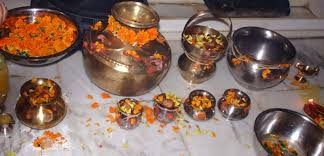
Markets in Anantnag town reported brisk business, particularly in walnuts, fish and puja essentials that form a central part of Kashmiri Shivratri traditions. Shopkeepers said sales began picking up days before the festival as families prepared for the Vatuk Puja, a distinctive ritual observed in Kashmiri Pandit households.
Residents emphasized that beyond ritual observance, the festival carries a deeper social message. In several localities, neighbors exchanged greetings, reflecting long-standing traditions of mutual respect. Ghulam Nabi Dar, a resident of Bijbehara, said the night symbolized shared responsibility for peace.
“Herath is part of our collective identity. We have celebrated together for generations. Brotherhood and mutual respect are what keep our society strong,” he said.
As devotional hymns echoed into the early hours and temple bells resonated across Anantnag district, Herath 2026 emerged not only as a sacred night of worship but also as a reaffirmation of faith, resilience and communal harmony in south Kashmir.