Says “Govt Enhances Ai Surveillance, Boosts Anti-Terror Funding, Promotes Int’l Cooperation; NIA, Police, CAPFs To Use Advanced Tools”
New Delhi: The Ministry of Home Affairs (MHA) on Tuesday informed Lok Sabha on the Government of India’s initiatives to enhance internal and border security while addressing internal and cross-border terrorism.
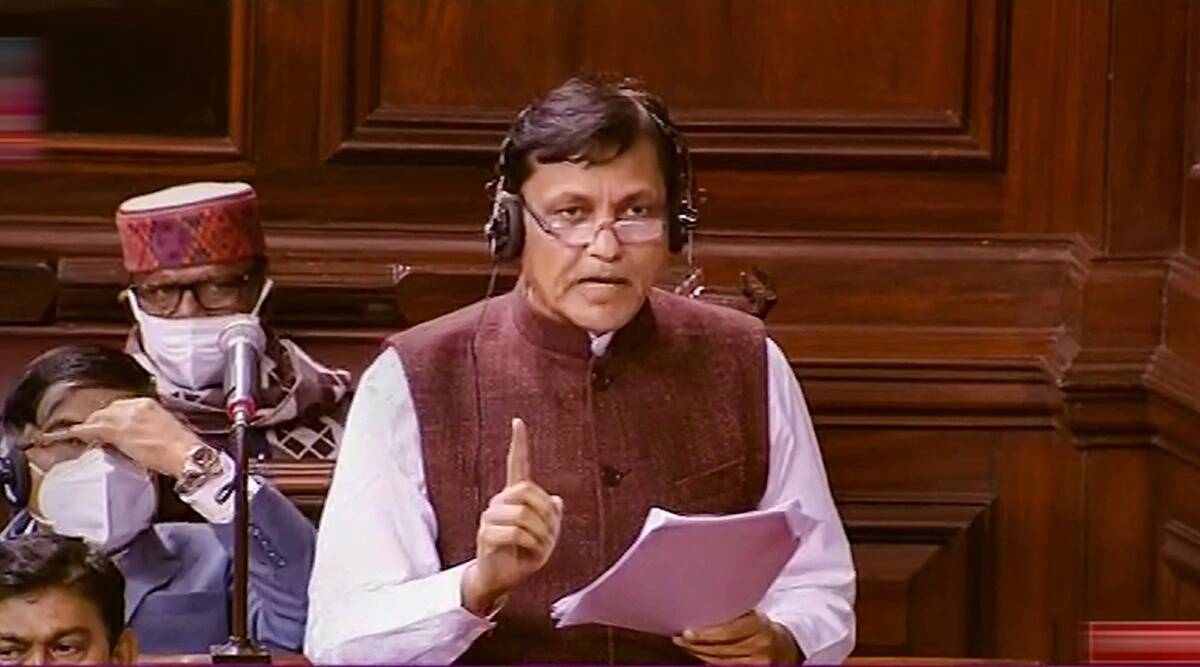
Minister of State for Home Affairs Nityanand Rai detailed a comprehensive strategy that emphasizes operational readiness, legal enforcement, surveillance, and international collaboration. Although ‘Police’ and ‘Public Order’ are primarily state responsibilities, the central government has implemented various measures to assist state governments and national agencies. These initiatives include strengthening the counter-insurgency framework, deploying Central Armed Police Forces (CAPFs), and modernizing security equipment. Regular capacity-building programs are conducted for state police forces and law enforcement agencies, including those focused on cyber investigations. To bolster border security, the government has introduced the Comprehensive Integrated Border Management System (CIBMS), which incorporates advanced surveillance technologies such as sensors, ground radars, UAVs, and satellite monitoring. Infrastructure projects, including roads, tunnels, bridges, and check posts, are being developed, alongside coordinated patrols with neighboring countries like Nepal, Bangladesh, and Myanmar. Counter-terrorism efforts involve proactive operations by CAPFs, the Army, and state police, with investigations led by the National Investigation Agency (NIA) aimed at dismantling support networks for terrorism. Legal frameworks under the Unlawful Activities (Prevention) Act 1967 and the NIA Act, 2008 facilitate prosecution, while technological tools like artificial intelligence and big data analytics are utilized to identify networks and monitor online radicalization. In addressing the financial aspects of terrorism, Rai noted the existence of a Combating Financing of Terrorism (CFT) Cell within the MHA since 2011, alongside the NIA’s Terror Funding and Fake Currency Cell. Continuous surveillance is maintained over financial channels, NGOs, and hawala networks. Sanctions under UN Security Council Resolutions 1267 and 1373, as well as Section 51(A) of the UAPA, 1967, include asset freezes, travel bans, and restrictions on fund transfers for designated individuals and organizations. India engages in Joint Working Groups on Counter-Terrorism with 26 countries and participates in five multilateral forums: ASEAN, BIMSTEC, BRICS, EU, and QUAD-CTWG, while also maintaining a dialogue with Tunisia. The coordination of intelligence efforts is enhanced through the Multi Agency Centre (MAC) and State Multi Agency Centres (SMACs), facilitating real-time intelligence sharing among national and state-level agencies, and strengthening the collaboration between central forces, state police, and technical intelligence units.