Srinagar: The Jammu and Kashmir Legislative Assembly, which has not seen elections in a decade, recently welcomed this week a fresh wave of new faces. A total of 51 first-time Members of Legislative Assembly (MLAs) have secured seats in the 90-member Assembly, marking a significant shift in the region’s political landscape. These newcomers come from various political parties, including the National Conference (NC), Bharatiya Janata Party (BJP), Congress, People’s Democratic Party (PDP), and independent candidates. This marks a new chapter for the Union Territory’s governance, with fresh ideas and perspectives set to shape the legislative process.
The elections, which were held after a hiatus of ten years, were conducted in three phases, and the results have produced a dynamic mix of seasoned political veterans and enthusiastic newcomers. The National Conference emerged as the single-largest party, securing 42 seats, with 24 of them being first-time MLAs. Meanwhile, the BJP, which dominated the Jammu plains and won 29 seats, has seen 15 first-time MLAs. Other parties like Congress, PDP, and AAP also made their presence felt, with each contributing to the fresh influx of new leaders. The 51 debutant MLAs represent a new wave of leadership in Jammu and Kashmir, with the potential to significantly alter the region’s political dynamics. Among these fresh faces, some come with impressive credentials, while others are stepping into the political arena for the first time, full of ambition and the drive to serve the people of the region.
The National Conference (NC), which has historically played a significant role in the political landscape of Jammu and Kashmir, secured the highest number of debutants with 24 first-time legislators. This marks a shift in the party’s leadership, with young, dynamic representatives ready to take on the mantle of responsibility. Notable among them is Mushtaq Ahmad Guroo, who defeated Apni Party president and former minister Altaf Bukhari in a notable victory. Similarly, the Bharatiya Janata Party (BJP), which made strong inroads in the Jammu region, has also seen a large number of new faces in its fold. With 15 first-time MLAs, more than half of BJP’s tally comprises fresh entrants. This reflects the party’s growing influence in the region and signals a shift in Jammu’s political makeup. Among the first-time BJP MLAs is Vikram Randhawa, who won the Bahu seat in Jammu and has a background in the Upper House of the Jammu and Kashmir legislature. The Congress, which secured six seats, also welcomed two first-time MLAs to the Assembly. Though their numbers are relatively small, their inclusion signifies the party’s continued relevance in Jammu and Kashmir’s political landscape. Similarly, the People’s Democratic Party (PDP) and the Aam Aadmi Party (AAP), which each secured one seat, have introduced fresh faces into the Assembly, including Waheed Para, the youth president of PDP, and Mehraj Malik of AAP, who won in Doda.
While the majority of the newly elected MLAs are making their debut in the Assembly, several have previously held prominent positions in national and regional politics. Some have served in the Lok Sabha, Rajya Sabha, or the Legislative Council of the former state of Jammu and Kashmir. Their experience at the national level is expected to bring valuable expertise to the regional Assembly. For instance, NC leader Hasnain Masoodi, who served as a Member of Parliament from 2019 to 2024, is now entering the Assembly for the first time, representing Pampore. Similarly, PDP leader Mir Mohammad Fayaz, who served as a Rajya Sabha member from 2015 to 2021, will now represent Kupwara in the Assembly. These experienced leaders are expected to play an important role in shaping the future direction of governance in Jammu and Kashmir. In addition to these leaders, several NC veterans like Bashir Ahmad Veeri, Saifuddin Bhat, and Javaid Ahmad Mirchal, who have previously served in the Legislative Council, are now stepping into the Assembly. These members bring with them a wealth of legislative experience, which will be invaluable as they navigate the complex political landscape of the region. The BJP’s Vikram Randhawa, who has also served in the Upper House of the Jammu and Kashmir legislature, is another key figure. His previous experience in the legislative process will help him transition into his new role as an MLA.
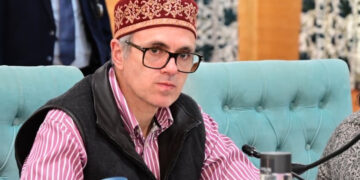
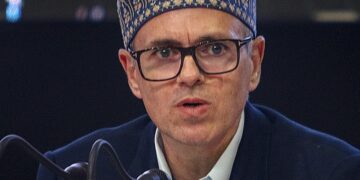
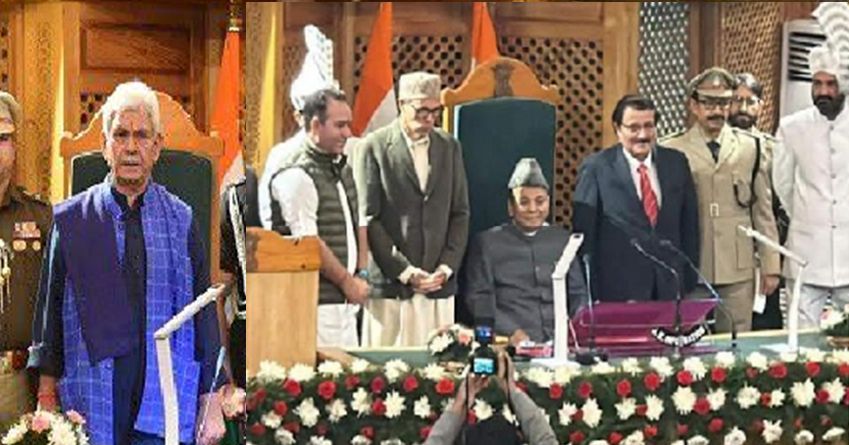
One of the most significant aspects of this new Assembly is the strong representation of youth. Many of the first-time MLAs are young leaders, eager to bring change and work for the development of Jammu and Kashmir. With the majority of the region’s population under the age of 35, these new legislators are expected to be more in tune with the aspirations and challenges faced by the younger generation. The focus on youth is evident in the inclusion of young leaders like Waheed Para, the PDP youth president, and AAP’s Mehraj Malik, who represent the rising political voices of Jammu and Kashmir. Their election to the Assembly sends a strong message that the region is ready for a fresh political outlook and new leadership to address long-standing issues. During the inaugural session of the Jammu and Kashmir Assembly, Chief Minister Omar Abdullah, a seasoned leader, took the opportunity to express his support for the new legislators. He called on the Speaker of the Assembly to grant first-time MLAs additional time to speak, acknowledging the importance of hearing from the new voices. This gesture was widely appreciated by the debutant MLAs, who expressed their gratitude and vowed to work for the betterment of their constituencies. “The benches in front of us are empty, and we can make use of their time, allowing the newcomers to speak for a bit longer,” Omar said, underscoring the importance of facilitating a smooth transition for these fresh faces. The Speaker Assembly also announced that a workshop will be conducted for the newly elected legislators to help them understand the workings of the legislative body. “ I will consult with the Lok Sabha Secretariat in this regard. I have attended such workshops and conventions, and they really help in understanding the workings and functioning of the House,” the Speaker said. Such workshops will help equip the first-time MLAs with the necessary tools and knowledge to effectively perform their duties. It will also allow them to better engage in legislative debates, raise issues of public importance, and contribute to the shaping of policy in the region. These new MLAs entering the Jammu and Kashmir Legislative Assembly represent a crucial step toward building a more inclusive and dynamic political system in the Union Territory. With the old order giving way to a younger, more diverse group of leaders, there is hope that the new Assembly will prioritize the needs of the people, foster unity, and work toward addressing the region’s long-standing issues.
As the Assembly sessions progress, it will be interesting to see how these fresh faces navigate the challenges of governance and work together to bring about positive change in Jammu and Kashmir. The coming months will be crucial as the Assembly sets the tone for the future of the region, with these new leaders tasked with the responsibility of charting a course toward peace, development, and prosperity. The inclusion of 51 first-time MLAs is a testament to the region’s evolving political landscape and a sign that Jammu and Kashmir is ready for a new era of governance. The leadership in the Assembly, both experienced and fresh, will need to work together to overcome the challenges facing the region and ensure that Jammu and Kashmir’s future is one of peace, progress, and prosperity.