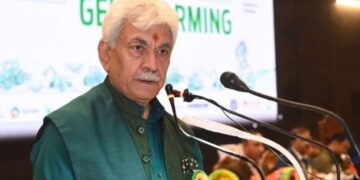
Srinagar: Lieutenant Governor Manoj Sinha officially inaugurated the 15-day Swachhta Pakhwada, named ‘The Shuchita Sangram,’ in Srinagar. This campaign marks a significant initiative in the ongoing Swachh Bharat Mission, aimed at bolstering cleanliness and sanitation efforts across Jammu and Kashmir.
Campaign Launch and Highlights: At the opening ceremony, Lt. Governor Sinha recognized and honored the Safaimitras—sanitation workers who play a crucial role in the cleanliness drive. He praised their dedication and the collective efforts of citizens and stakeholders in advancing the Swachhta Abhiyan (cleanliness campaign).
The Lt. Governor emphasized that Swachhta Pakhwada is more than a mere campaign; it is a movement deeply rooted in the vision of Mahatma Gandhi, aimed at fostering a culture of cleanliness and responsibility within communities.
Focus Areas and Initiatives: The Lt. Governor detailed the key areas of focus during the Swachhta Pakhwada. A major component of the campaign will involve the cleaning and maintenance of 186 designated tourist spots across J&K . This effort will be undertaken collaboratively by the Department of Rural Development, the Housing & Urban Development Department, and the Tourism Department. The Lt. Governor highlighted the importance of this initiative in enhancing the appeal and sustainability of these tourist destinations. In addition to physical cleanliness drives, the Lt. Governor stressed the need for capacity building among Panchayat Secretaries and village-level workers. He emphasized that educating the public, especially students, on effective waste management, segregation practices, and the environmental impacts of waste is crucial for the campaign’s success. The Lt. Governor called for increased public awareness and community involvement through initiatives like Swachhta Banks and home composting projects.
Sustaining Efforts And Achievements: Acknowledging Jammu and Kashmir’s progress under the Swachh Bharat Mission (Gramin), the Lt. Governor pointed out the ongoing challenge of maintaining the newly established infrastructure. He underscored the goal of achieving the title of the cleanest UT in the country and stressed the importance of sustaining the progress made. In his address, the Lt. Governor issued four key resolutions to the people of Jammu and Kashmir: ensuring that villages and wards remain clean, healthy, green, and adequately supplied with water. He urged citizens to actively participate in the Swachhta Pakhwada and to promote safe sanitation practices and effective waste disposal methods.
Encouraging Community Participation: The Lt. Governor called for healthy competition among Panchayats to drive the goal of a clean and green environment. He encouraged each Panchayat to focus on innovative solutions to tackle local challenges and to implement strategies tailored to their specific needs.
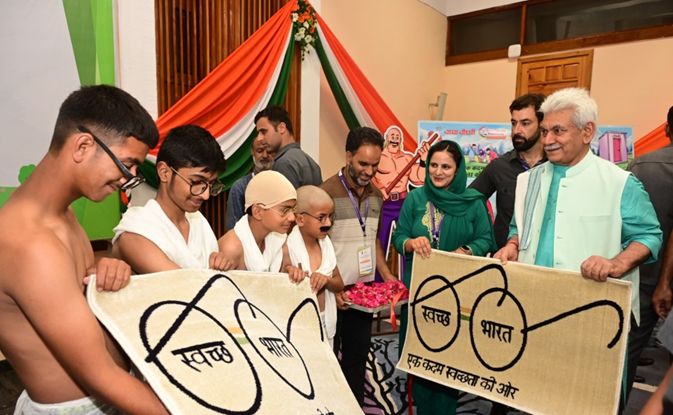
New Initiatives And Projects: During the event, several new initiatives were launched. The Lt. Governor unveiled the Shuchitasangram.in website, designed for monitoring and disseminating information about Swachhta Pakhwada activities. Additionally, he introduced a signature campaign for the Swachhta Pledge, released the Annual Implementation Plan for the fiscal year 2024-25 under the Swachh Bharat Mission (Gramin), and presented a comic book on the Swachh Bharat Abhiyan. A significant milestone announced was the construction of 1000 community sanitary complexes in rural areas, which will significantly enhance public health and sanitation in these communities. The Lt. Governor also inaugurated various projects under the Swachh Bharat Mission (Gramin) and flagged off the ‘Swachhta Karwaan,’ a mobile initiative to promote cleanliness.
Collaboration And Future Plans: In a notable development, the Rural Sanitation Department and the Agriculture Department signed a Memorandum of Understanding for compost marketing, highlighting J&K Government’s commitment to sustainable waste management practices. The Lt. Governor kicked off the campaign by planting a tree sapling under the ‘Ek Ped Shaheedon ke Naam’ initiative, demonstrating a commitment to environmental conservation. He also visited the Swachhta Exhibition, which showcased innovative measures adopted by the Rural Development Department, and interacted with students participating in a painting and drawing competition focused on cleanliness.
Upcoming Activities: Throughout the Swachhta Pakhwada, various activities will be organized to promote cleanliness and sanitation. These include Swachhta Pledges in schools, colleges, and offices, cleanliness drives at public transportation hubs, orientation programs for sanitation workers, health camps, and Swachhata Gram Sabhas. The Swachhta Pakhwada ‘The Shuchita Sangram’ represents a robust and comprehensive effort to advance cleanliness and sanitation across Jammu and Kashmir. Through a combination of public engagement, capacity building, and targeted initiatives, the campaign aims to build on previous successes and drive sustained improvements in the region’s sanitation and hygiene standards.
Need Rural Sanitation In Kashmir, Many Areas Left Out: Rural sanitation is a crucial yet challenging issue affecting health, environment, and social development in remote areas. Many rural and far-flung regions still suffer from inadequate sanitation facilities, which has significant implications. Poor sanitation directly impacts health by increasing the risk of waterborne diseases such as cholera and dysentery. Children, in particular, face heightened risks of malnutrition and growth issues due to frequent diarrheal diseases. Inadequate sanitation also contributes to general unhygienic conditions, leading to a higher prevalence of infections. Insufficient sanitation leads to the contamination of soil and water sources through improper waste disposal and open defecation. This contamination negatively affects agriculture, drinking water quality, and local ecosystems, causing harm to wildlife and plant life. The lack of sanitation facilities affects educational outcomes and economic productivity. Children, especially girls, may miss school due to inadequate facilities, impacting their education. Poor sanitation also leads to health problems that reduce productivity and increase medical expenses, which can undermine economic stability. Inadequate sanitation disproportionately affects marginalized and vulnerable populations in remote areas, exacerbating existing inequalities. Ensuring access to proper sanitation facilities is vital for promoting equity and improving the overall quality of life. Many remote areas lack essential sanitation infrastructure, such as sewage systems and waste management facilities. Limited funding and resources can impede the development and maintenance of sanitation facilities in these areas. Reaching remote areas and managing resources effectively can be challenging for administrations, affecting the implementation of sanitation projects. We should invest in building and upgrading sanitation infrastructure in remote areas, including toilets and sewage systems. Involve local communities in planning and implementing sanitation projects to ensure that solutions are suitable and sustainable. Conduct hygiene education campaigns to promote proper sanitation practices and the use of available facilities. Secure adequate funding and resources for sanitation projects, including financial incentives for infrastructure development. In summary, addressing rural sanitation requires a comprehensive approach that includes improving infrastructure, engaging communities, promoting education, and ensuring financial and administrative efficiency. By tackling these challenges, we can improve health outcomes, protect the environment, and enhance social and economic development in rural areas.
Locals React About Need Of Sanitation In Rural Areas: Mohammad Yousuf Dar, a local from Kreeri, told Kashmir Horizon that every day, our children suffer because of poor sanitation. We need the government to step in and make our village a safe place to live,” he said, adding that there is no place to dispose off solid waste. Another local at Kulgam, Shariq Hussain said that cleanliness isn’t a luxury, it is a necessity. Our community is desperate for proper sanitation facilities to protect our families’ health,” he added that we see progress in the cities, but our village is left behind. “It is time for the government to focus on rural sanitation and bring us the same improvements,” Hussain added.
CM Omar Unveils Rs 58.26-Cr Projects in G’bal, Inaugurates five projects worth Rs 16.72 crore, lays foundation for two others
Reviews Ring Road, Sindh River Front works; hears growers’ concerns at Zazuna Mandi Ganderbal|Oct, 15: Chief Minister Omar Abdullah on...
Read moreDetails