• Over 9,000 government buildings solarised with 96.10 MW capacity
• Nearly 4,900 solar pumps installed under PM-KUSUM
Srinagar|Nov, 27: Jammu and Kashmir has set a target of developing 500 MW of solar photovoltaic capacity by 2030, alongside plans to expand small hydropower and other renewable energy sources, as the Union Territory steps up efforts to reduce its dependence on conventional energy.
The Jammu and Kashmir Energy Development Agency (JAKEDA) has drawn up a 2030 roadmap that also envisages 100 MW of small hydropower capacity and a combined 5 MW from wind, hydrogen, biomass and Battery Energy Storage Systems (BESS).
As part of the push to expand solar adoption beyond government infrastructure, the administration is also working to establish one Model Solar Village in each of the Union Territory’s 20 districts. The tendering process for the proposed villages has been completed in all 10 districts of the Kashmir division, while Detailed Project Reports for the Jammu division are under examination by JAKEDA, officials said.
The targets come amid the implementation of several renewable energy programmes aimed at expanding clean power generation and supporting the Union Territory’s contribution to the country’s climate commitments.
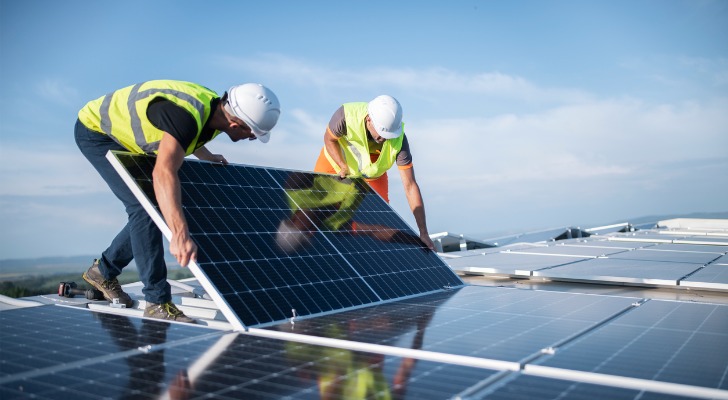
Under the Pradhan Mantri Surya GharMuft Bijli Yojana, more than 9,000 government buildings have been solarised under the CAPEX mode, with a cumulative installed capacity of 96.10 MW.
The Union Territory has also made progress under the PM-KUSUM scheme, with JAKEDA installing nearly 4,900 solar-powered agricultural pumps against an allocated target of 5,000 — achieving 97.8 per cent of the target.
In another initiative, a 30-kW solar-powered electric vehicle charging station has been commissioned at the Islamic University of Science and Technology (IUST), Awantipora.
Alongside renewable power generation, the government has moved to promote electric mobility through the J&K Electric Vehicle Policy-2026, notified last month. The policy provides a six-year roadmap, from 2026 to 2032, for expanding electric vehicle adoption and strengthening charging infrastructure across all 20 districts.
It has set a target of 1.4 lakh electric vehicles in the Union Territory by 2032, with an emphasis on developing a clean, affordable and weather-resilient mobility ecosystem.
A senior official told Kashmir Horizon that directions had also been issued for the time-bound completion of key renewable energy projects. The broader programme is intended to promote energy self-reliance, generate employment and reduce the Union Territory’s carbon footprint, he said.
While the government has reported progress in solarising public buildings and installing agricultural pumps, the 2030 roadmap will require a substantial expansion of renewable capacity, alongside the development of village-level projects, storage systems and supporting infrastructure.