Calls on Environmentalists to Lead with Science; Flags Possible UP Election Angle
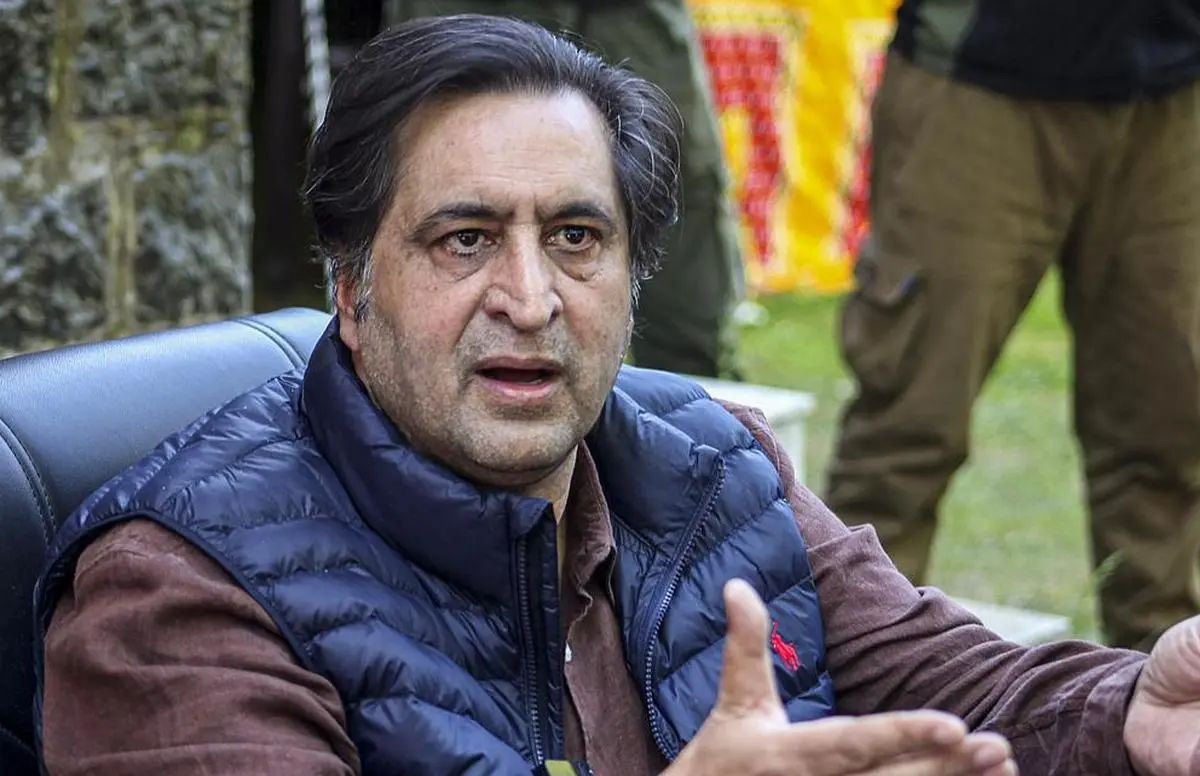
Srinagar, Nov 25: J&K Peoples Conference President and Handwara MLA Sajad Lone on Wednesday accused National Conference and Peoples Democratic Party of politicising the ecological crisis at Sheshnag Lake, warning that their escalating blame game could overshadow the scale of environmental destruction and allow those responsible to evade accountability.
He cautioned that, as with other pressing issues, the two parties risk burying a serious public concern beneath a cacophony of political recriminations.
Describing Sheshnag as an “ecological disaster”, Lone said the political confrontation between the two parties risked diverting attention from the environmental concerns that should be at the centre of the debate.
He argued that instead of addressing the ecological damage through scientific assessment and meaningful intervention, NC and PDP had begun trading accusations, a familiar political pattern that, he warned, could bury the substantive issue beneath a barrage of statements.
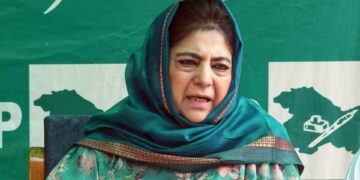
Taking particular aim at PDP president Mehbooba Mufti, Lone referred to her party’s role during the 2008 Amarnath land row, accusing it of having been the “scriptwriter of the Amarnath ecological disaster”. He also pointed to her reference to an official meeting in which the NC had reportedly given its nod to the proposed road, a contention the ruling party was quick to rebut.
Predicting that NC would counter the PDP by invoking the events of 2008, Lone cautioned that the ensuing exchange could become a convenient diversion from the actual environmental crisis.
“No prizes for guessing,” he remarked, suggesting that the political parties would turn the issue into another round of competing accusations, creating what he described as a “perfect fig leaf” for continued ecological destruction.
Making a pointed appeal for a more evidence-based approach, Lone said environmentalists must be given the space to lead the discourse, stressing that scientific facts, ecological assessments and expert interventions should determine the course of action rather than political calculations.
“Time to give space to environmentalists,” he said, urging experts to come forward with scientific evidence and build a credible public discourse capable of preventing further damage to the fragile Himalayan ecosystem.
Lone also raised the possibility of a wider political dimension to the controversy, suggesting that the approaching Uttar Pradesh Assembly elections could potentially influence the political narrative around the issue.
Drawing parallels with the 2008 Amarnath land row, he recalled how environmental activism in Kashmir had subsequently been followed by a communal agitation in Jammu, expressing apprehension that a similar political script could be unfolding again.
He suggested that the NC and PDP might both be playing their respective roles in a broader political narrative, although he stopped short of presenting the electoral connection as an established fact.